
The Ultimate Budget Gaming Console Buyer’s Guide: Unleash Your Inner Gamer Without Breaking the Bank
The allure of immersive gaming worlds, thrilling adventures, and competitive online battles is undeniable. However, the perception that high-end gaming requires a king’s ransom often deters aspiring players. Fear not, budget-conscious gamers! This comprehensive guide will equip you with the knowledge to navigate the landscape of affordable gaming consoles and discover the perfect machine to ignite your passion without emptying your wallet. We’ll delve into the crucial factors, explore top contenders, and offer practical advice to ensure you make an informed and satisfying purchase.
Understanding Your Budget Gaming Needs: More Than Just Price
Before diving into specific consoles, it’s essential to define what “budget” means to you and what you realistically expect from your gaming experience.
- Define Your Price Ceiling: What is the absolute maximum you are willing to spend on the console itself? Remember to factor in potential costs for games, accessories, and online subscriptions.
- Game Genre Preferences: Are you a fan of sprawling RPGs, fast-paced shooters, intricate strategy games, or family-friendly adventures? Different consoles and their respective libraries cater to diverse tastes.
- Online vs. Offline Play: Do you primarily play solo, or is online multiplayer a significant draw? Online services often come with a subscription fee, which should be considered in your overall budget.
- Existing Game Library: Do you already own digital games on a particular platform? Sticking with a familiar ecosystem can save you money on new purchases.
- Future-Proofing (Within Reason): While budget consoles won’t offer the cutting edge, consider their longevity. Will they receive new game releases for a reasonable period?
Key Factors to Consider When Choosing a Budget Console
Several technical and practical aspects differentiate gaming consoles, even within the budget segment. Understanding these will empower your decision-making.
1. Performance and Graphics: The Visual Feast
While budget consoles won’t rival the graphical fidelity of their premium counterparts, they still offer impressive visuals.
- Resolution: Most modern budget consoles target 1080p (Full HD) resolution, which is perfectly adequate for most displays. Some might offer upscaled 4K, but don’t expect native 4K gaming at this price point.
- Frame Rate: A smooth frame rate (ideally 60 frames per second) is crucial for responsive gameplay. Budget consoles typically aim for 30-60 FPS, with 60 FPS being a significant advantage for faster-paced genres.
- Graphical Settings: Understand that you might not be able to push all graphical settings to their maximum. Look for consoles that offer a good balance of visual quality and performance.
2. Game Library and Exclusives: The Heart of the Experience
A console is only as good as the games it offers.
- Third-Party Support: Most major multi-platform titles will be available on budget consoles. Check if your favorite franchises are consistently released on the platforms you’re considering.
- First-Party Exclusives: These are games developed by the console manufacturer or their affiliated studios. They can be a major deciding factor. For example, PlayStation is known for its narrative-driven RPGs, while Nintendo excels in family-friendly and innovative gameplay.
- Backward Compatibility: Can the console play games from previous generations? This can be a huge cost-saver if you have an existing library of older titles.
3. Storage Space: Room for Your Digital Adventures
Games are getting larger, so storage is a critical consideration.
- Internal Storage: Most budget consoles come with a limited amount of internal storage (often 500GB to 1TB). This can fill up quickly with modern games.
- Expandable Storage: Can you add external hard drives or SSDs? This is a crucial feature for budget gamers who want to build a substantial game library. SSDs offer faster loading times, but are generally more expensive.
4. Online Services and Subscriptions: Staying Connected
If online multiplayer is important, factor in the cost of subscription services.
- PlayStation Plus: Required for online multiplayer on PS4 and PS5. Offers free monthly games and discounts.
- Xbox Game Pass: A subscription service that provides access to a vast library of games, including day-one releases. Xbox Live Gold is also required for online multiplayer, but Game Pass Ultimate bundles both.
- Nintendo Switch Online: Necessary for online play on the Nintendo Switch and offers access to a library of classic NES and SNES games.
5. Controller and Ergonomics: Comfort is Key
You’ll be holding the controller for hours, so comfort and functionality are paramount.
- Controller Design: Does it feel good in your hands? Are the buttons and joysticks responsive?
- Features: Consider features like rumble feedback, motion controls (on Switch), or customizable buttons.
6. Ecosystem and Backward Compatibility: Leveraging Your Investment
Consider the broader ecosystem of the console.
- Digital Storefront: Is the digital store user-friendly and well-stocked?
- Backward Compatibility: As mentioned, this can significantly extend the life and value of your console.
Top Budget Gaming Console Contenders (As of [Current Year])
The budget gaming console market is dynamic, but several consistent players offer excellent value.
1. The Nintendo Switch (and its Variants: Lite, OLED)
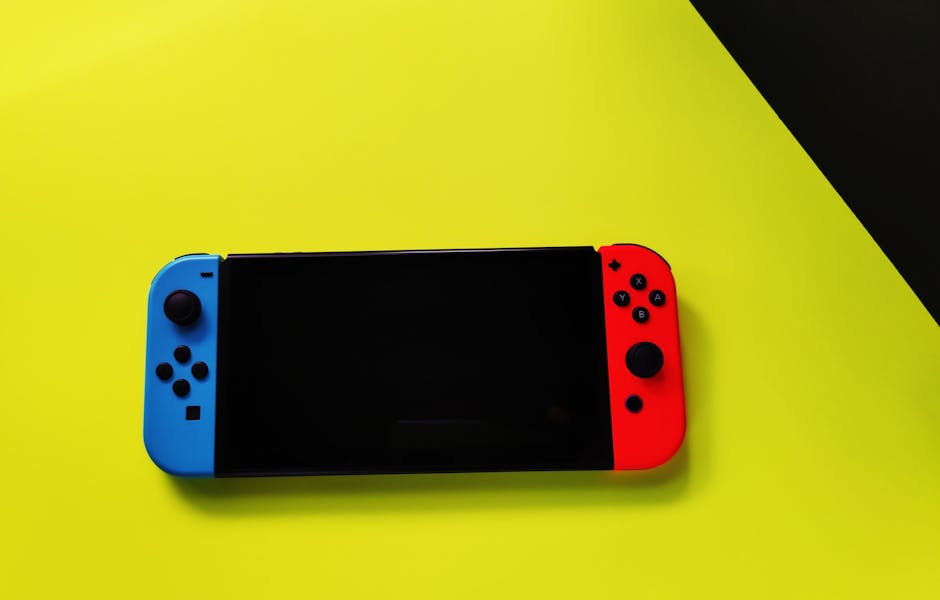
The Nintendo Switch remains a unique and compelling proposition in the budget gaming space, especially for those who value versatility and exclusive experiences.
- Pros:
- Hybrid Design: Play at home on your TV or on the go as a handheld. This unparalleled flexibility is a major selling point.
- Incredible First-Party Exclusives: The Legend of Zelda: Breath of the Wild/Tears of the Kingdom, Super Mario Odyssey, Animal Crossing: New Horizons, Pokémon titles – these are system-sellers that can’t be found anywhere else.
- Family-Friendly Appeal: A vast library of games suitable for all ages.
- Nintendo Switch Lite: A more affordable, handheld-only version, perfect for dedicated portable play.
- Nintendo Switch OLED Model: Offers a vibrant OLED screen for enhanced handheld visuals and a better dock for TV play, a worthwhile upgrade if your budget allows.
- Cons:
- Lower Graphics Power: Compared to PlayStation and Xbox, the Switch has less raw graphical horsepower, meaning games may not look as visually detailed or run at as high frame rates.
- Third-Party Support Can Be Spotty: While major multi-platform games are increasingly appearing on Switch, some AAA titles may skip the platform or arrive with significant graphical compromises.
- Online Service is Basic: Nintendo Switch Online is functional but lacks the robust features and game offerings of PlayStation Plus or Xbox Game Pass.
- Storage is Limited: Base models often come with only 32GB of internal storage, necessitating the purchase of a microSD card.
2. PlayStation 4 (PS4)
The PlayStation 4, though succeeded by the PS5, remains a fantastic budget option with a massive library of critically acclaimed games.
- Pros:
- Vast Game Library: An enormous selection of games, including many critically acclaimed exclusives like The Last of Us Part II, God of War (2018), Marvel’s Spider-Man, and Horizon Zero Dawn.
- Strong Third-Party Support: Nearly every major multi-platform game released during its lifecycle is available on PS4.
- Affordable Price: New and used PS4 consoles can be found at very attractive price points.
- PlayStation Plus Benefits: Access to monthly free games and online multiplayer.
- Backward Compatibility (Limited): The PS4 cannot natively play PS3 or older discs, but many PS1, PS2, and PSP classics are available for purchase on the PlayStation Store.
- Cons:
- Aging Hardware: While still capable, the PS4 is older technology. It won’t run the latest games with the same visual fidelity or performance as current-generation consoles.
- Loading Times: Internal HDDs can lead to longer loading times compared to SSDs found in newer consoles.
- No Native PS5 Upgrades: While some PS4 games have PS5 upgrades, you won’t experience the full benefits of the PS5 hardware.
3. Xbox One (and its Variants: S, X)
Similar to the PS4, the Xbox One family offers a strong value proposition, especially for those interested in Xbox Game Pass.
- Pros:
- Xbox Game Pass: This subscription service is arguably the biggest draw for Xbox. It provides access to a massive, ever-growing library of games for a monthly fee, including many first-party Xbox titles on day one.
- Backward Compatibility: Xbox boasts impressive backward compatibility, allowing you to play a significant number of Xbox 360 and original Xbox games.
- Strong Third-Party Support: Like the PS4, the Xbox One has a vast library of multi-platform titles.
- Xbox One S: A more affordable and slimmer version of the original Xbox One, offering 4K Blu-ray playback.
- Xbox One X: While not strictly a “budget” console