
The Unlikely Alchemist: How Your Electric Kettle Brews Superior Cold Coffee
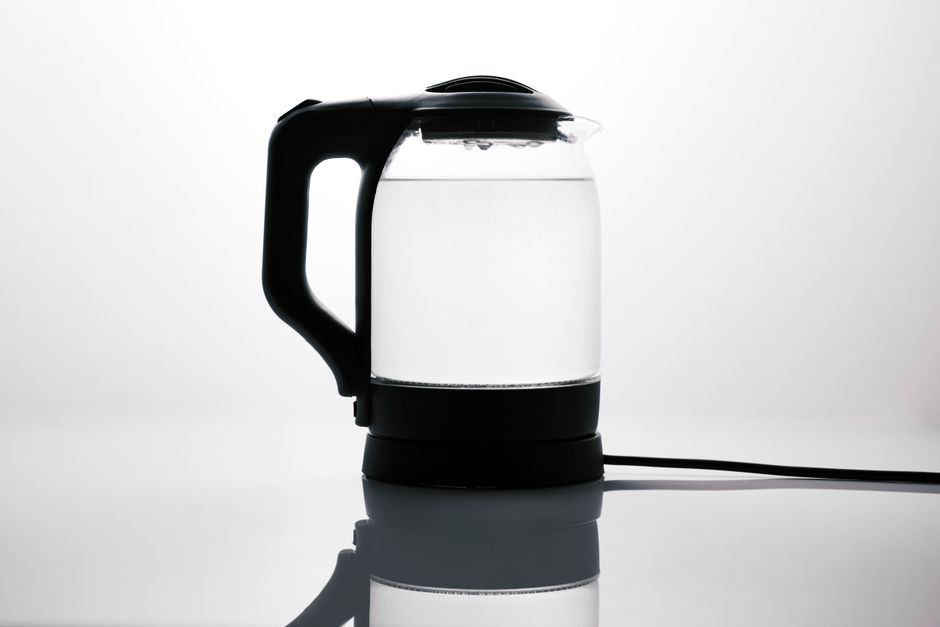
The electric kettle, a ubiquitous kitchen appliance typically associated with brisk morning teas and steaming mugs, might seem like an odd companion for the world of cold coffee. We envision ice baths, specialized brewing equipment, and hours of steeping. Yet, this humble appliance plays a surprisingly pivotal, and often overlooked, role in crafting exceptional cold coffee, particularly for those seeking a faster, more controlled, and nuanced approach than traditional methods. Forget the lengthy immersion; the electric kettle is your secret weapon for unlocking nuanced flavors and achieving the perfect chill.
Beyond the Basic Boil: The Kettle’s Nuance for Coffee
The primary function of an electric kettle is, of course, heating water. However, the magic for cold coffee lies not in a full, rolling boil, but in the precise control over water temperature that many modern kettles offer. This is where the “surprising” aspect truly emerges. While traditional cold brew relies on ambient temperatures or prolonged contact with cold water, the electric kettle allows for a controlled introduction of hotter water, a technique that dramatically alters the extraction process and, consequently, the final flavor profile of your cold coffee.
The Science of Controlled Extraction: Why Temperature Matters
Coffee beans contain hundreds of aromatic compounds, many of which are soluble in water. The rate at which these compounds dissolve is heavily influenced by temperature.
- Lower Temperatures (Traditional Cold Brew): Slow, gentle extraction. This method favors the dissolution of larger, more complex molecules, leading to a smoother, less acidic, and often chocolatey or nutty profile. However, it can sometimes result in a flatter taste if not brewed carefully.
- Higher Temperatures (Kettle-Assisted Cold Coffee): Faster, more efficient extraction. Using hotter water (though not boiling) from your electric kettle accelerates the dissolution of a wider range of compounds, including some brighter, more acidic notes and floral aromatics that might be missed in a purely cold brew. The key is to manage this accelerated extraction to avoid bitterness.
The “Flash Brew” or “Japanese-Style” Cold Coffee Method: The Kettle’s Star Turn
This is where the electric kettle shines. The “flash brew” or “Japanese-style” cold coffee method leverages the kettle’s precision to create a concentrated coffee that is then rapidly chilled. The process typically involves brewing a smaller batch of coffee with hotter water and immediately pouring it over ice.
- Precise Temperature Control: Many electric kettles allow you to set specific temperatures. For flash brew, temperatures between 195°F (90.5°C) and 205°F (96°C) are ideal. This range is hot enough to efficiently extract desirable flavors but cool enough to avoid scalding the coffee grounds and introducing bitterness. A full boil (212°F/100°C) is generally too hot and will lead to over-extraction.
- Faster Brewing: Unlike the 12-24 hours required for traditional cold brew, flash brewing takes mere minutes. You heat the water to your desired temperature in the kettle, grind your coffee, and brew directly over ice.
- Controlled Concentration: By using a higher coffee-to-water ratio for the initial brew, you create a concentrate. The hot water from the kettle efficiently extracts the flavor from this concentrate.
- Rapid Chilling: As the hot coffee concentrate hits the ice, it rapidly cools. This sudden temperature drop “locks in” the volatile aromatics, preserving the bright, nuanced flavors that might dissipate with slower cooling. This also prevents the dilution that can occur with traditional iced coffee where hot coffee is poured over ice.
Why This Method Outshines Traditional Iced Coffee
Traditional iced coffee often involves brewing hot coffee and then chilling it, either by refrigerating it or pouring it directly over ice. This can lead to two common pitfalls:
- Bitterness and Acidity: Brewing at a full boil and then chilling can exacerbate bitter and acidic notes.
- Dilution: Pouring hot coffee over ice melts the ice too quickly, resulting in a watery, less flavorful beverage.
The electric kettle-assisted flash brew circumvents these issues by:
- Optimizing Extraction: The precise, slightly-below-boiling temperature ensures optimal flavor extraction without bitterness.
- Minimizing Dilution: The concentrated brew poured over ice creates a balanced iced coffee that retains its strength and flavor. The rapid chilling further preserves aromatics.
Beyond Flash Brew: Other Kettle Applications for Cold Coffee Enthusiasts
While flash brew is the most direct application, the electric kettle’s precision can also benefit other cold coffee approaches:
- Warming Cold Brew Concentrate: If you find your cold brew concentrate too intense or want to experiment with slightly warmer serving temperatures without fully heating it, a precisely heated kettle can be used to gently warm a small portion of your concentrate to a more palatable temperature. This is a subtle but effective way to alter the perceived flavor.
- Pre-warming Brewing Vessels (for specific methods): Some advanced cold coffee brewing methods might benefit from a slightly pre-warmed brewing vessel to ensure consistent extraction temperatures. Your electric kettle can be used to heat a small amount of water for this purpose.
- Experimenting with “Japanese Iced Coffee” Variations: The principles of flash brewing can be adapted. You can use your kettle to heat water to different temperatures to see how it affects the extraction of specific beans, allowing for a highly personalized cold coffee experience.
Choosing the Right Kettle for Your Cold Coffee Journey
For optimal cold coffee brewing, an electric kettle with variable temperature control is highly recommended. Look for features that allow you to:
- Set precise temperature increments: Being able to select temperatures like 195°F, 200°F, or 205°F offers the most control.
- Maintain temperature: Some kettles can hold water at a set temperature for a period, which is useful if your brewing process takes a few extra moments.
- Fast heating: A quick heat-up time means less waiting and more immediate gratification.
The Humble Kettle’s Elevated Role: A Paradigm Shift in Cold Coffee Preparation
The electric kettle, often relegated to simple hot water duties, reveals itself as a sophisticated tool for the discerning cold coffee drinker. Its ability to precisely control water temperature unlocks a world of faster, more nuanced, and less diluted iced coffee experiences. By understanding the science of extraction and embracing methods like flash brewing, you can transform your everyday electric kettle into an unlikely alchemist, consistently brewing superior cold coffee with surprising ease and remarkable flavor. The next time you reach for your kettle, remember its potential to elevate your cold coffee game, offering a refreshing departure from the ordinary.