
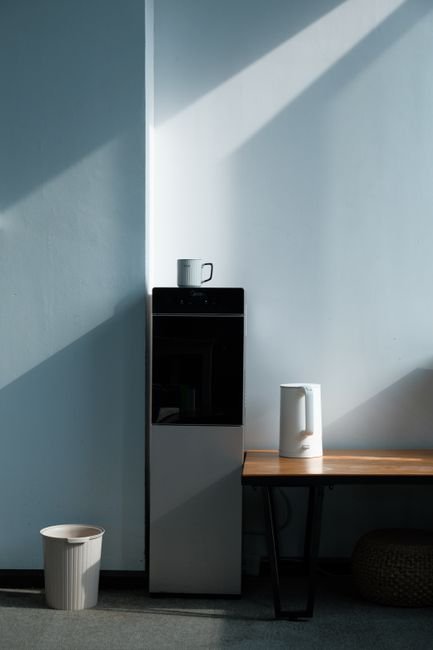
The Future of Hydration: Water Purifiers with Integrated Cooling
The simple act of drinking water, a fundamental biological necessity, is poised for a significant technological evolution. While access to clean water remains a global challenge, for many, the next frontier in hydration lies not just in purity, but in temperature. The integration of advanced purification technologies with sophisticated cooling systems within a single device is rapidly transforming how we consume water, offering unparalleled convenience, enhanced health benefits, and a glimpse into a future where chilled, pristine water is as accessible as a touch of a button.
Gone are the days of relying solely on bulky refrigerators to chill water, or the often-inconsistent results of ice makers. The modern water purifier with integrated cooling is a testament to innovation, blending multi-stage filtration with rapid chilling mechanisms to deliver a superior hydration experience. These devices are not just appliances; they are sophisticated health and wellness hubs designed to optimize our daily water intake.
At the core of these advanced systems lies a robust multi-stage purification process. Unlike basic filters that might only remove sediment or chlorine, these purifiers employ a layered approach to ensure water is not only safe but also tastes and feels exceptional. Common purification stages include:
- Sediment Filtration: This initial barrier removes larger particles like sand, rust, and dirt, preventing them from clogging subsequent filters and improving the aesthetic quality of the water.
- Activated Carbon Filtration: This is a workhorse, effectively adsorbing chlorine, volatile organic compounds (VOCs), pesticides, herbicides, and other chemicals that contribute to unpleasant tastes and odors. It also plays a crucial role in removing certain heavy metals.
- Reverse Osmosis (RO): For the highest level of purity, many advanced purifiers incorporate RO membranes. These semi-permeable membranes are incredibly fine, capable of removing dissolved solids, salts, bacteria, viruses, and even microscopic contaminants like lead and arsenic. While highly effective, RO systems typically require a higher water pressure and can produce a small amount of wastewater.
- Ultrafiltration (UF): An alternative or complementary technology to RO, UF membranes remove suspended solids, bacteria, and viruses but allow dissolved minerals to pass through, potentially preserving beneficial electrolytes. This can be a good option for areas with already potable water that requires further refinement.
- UV Sterilization: Ultraviolet light is a powerful non-chemical method for inactivating bacteria, viruses, and other microorganisms. A UV lamp emits germicidal radiation, damaging the DNA of these pathogens, rendering them unable to reproduce and cause illness. This is often the final stage, ensuring the water is microbiologically safe.
- Mineralization/Remineralization: Some RO systems can strip water of beneficial minerals. Advanced purifiers often include a remineralization stage to add back essential minerals like calcium and magnesium, improving taste and contributing to overall health.
Intertwined with these purification marvels is the cooling component. The technology behind this feature varies, but the goal is the same: to deliver refreshingly cold water on demand. Common cooling mechanisms include:
- Compressor-Based Cooling: Similar to refrigerators, these systems use a refrigerant to absorb heat from the water and dissipate it externally. This offers rapid and consistent cooling, capable of chilling large volumes of water efficiently. These are typically found in higher-end models.
- Thermoelectric Cooling (Peltier Effect): This solid-state technology uses the Peltier effect, where an electric current passing through a junction of two dissimilar semiconductors creates a temperature difference. While less energy-intensive than compressor systems for smaller volumes, they can be slower to cool and less efficient for larger quantities. They are often found in more compact or portable units.
- Ice Bank Systems: Some systems create a small ice bank within the unit. As water flows through, it passes over this ice, becoming chilled. This can provide quick bursts of cold water but may require time to replenish the ice.
The synergistic combination of purification and cooling unlocks a wealth of benefits. For the health-conscious, the assurance of drinking water free from contaminants and at an optimal temperature can significantly enhance daily hydration. Proper hydration is crucial for everything from cognitive function and energy levels to skin health and metabolic processes. Cold water, in particular, can be more palatable for some, encouraging greater consumption and potentially aiding in weight management as the body expends a small amount of energy to warm it to body temperature.
Convenience is another paramount advantage. Imagine walking into your kitchen and instantly dispensing perfectly purified and chilled water without the need to fill ice trays, wait for a pitcher to cool in the refrigerator, or purchase bottled water. This on-demand access is particularly valuable for busy households, offices, and even small businesses.
Beyond individual use, these advanced purifiers are making their mark in commercial settings. Restaurants, cafes, and hotels can elevate their customer experience by offering premium chilled, purified water. In workplaces, providing readily available cold, clean water can boost employee productivity and well-being, reducing reliance on sugary beverages.
The design of these purifiers is also evolving. Sleek, modern aesthetics are becoming the norm, with many units designed to complement contemporary kitchen décor. Countertop models offer ease of installation, while under-sink systems provide a streamlined, hidden solution. Smart features are also emerging, including digital displays that indicate filter life, water temperature, and even connectivity to smartphone apps for remote monitoring and control.
The environmental impact is also a significant consideration. By eliminating the need for single-use plastic water bottles, these purifiers contribute to a substantial reduction in plastic waste. While there is an initial energy consumption for purification and cooling, the long-term environmental benefit of reducing plastic bottle production and disposal is undeniable. Furthermore, advancements in energy efficiency are continually being made in compressor and thermoelectric technologies.
The future of hydration is undeniably intertwined with intelligent water purification and cooling. As technology continues to advance, we can anticipate even more sophisticated systems that offer personalized water profiles, advanced nutrient infusion, and even self-cleaning capabilities. The seamless integration of purity and temperature control is not just a trend; it’s a fundamental shift in how we approach this essential element of life, promising a healthier, more convenient, and more sustainable future for hydration. The quest for the perfect glass of water, once a simple desire, is now a technologically empowered reality.