
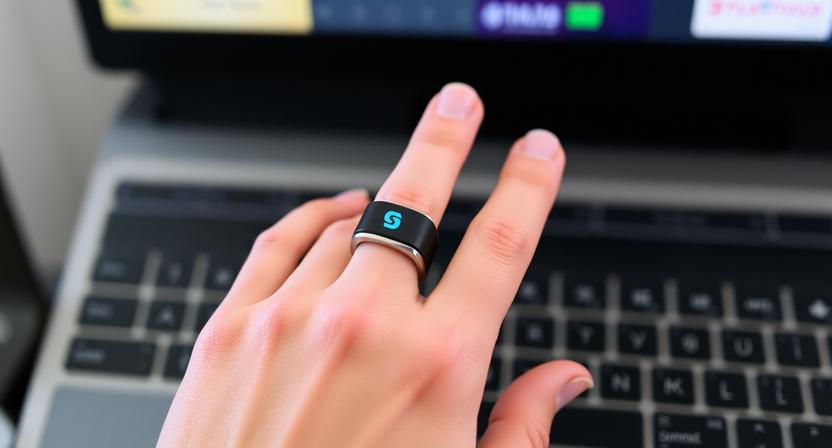
The quest for proactive health management has entered a new era, moving beyond bulky wearables and into discreet, powerful devices. Among the most promising innovations are smart rings, compact marvels of engineering that offer a sophisticated and unobtrusive way to track vital health metrics. These elegant accessories are poised to revolutionize how we understand and interact with our bodies, providing continuous, personalized insights into our well-being.
At their core, smart rings function by integrating a suite of advanced sensors into a comfortable, everyday piece of jewelry. Unlike smartwatches, which often require conscious interaction, rings operate passively, collecting data throughout the day and night with minimal user effort. This seamless integration is a key differentiator, making them ideal for individuals seeking comprehensive health tracking without the constant distraction of a screen.
The primary sensors found in most smart rings include optical heart rate sensors, accelerometers, gyroscopes, and skin temperature sensors. The optical heart rate sensor, typically located on the inner surface of the ring, uses photoplethysmography (PPG) to detect blood flow changes beneath the skin, thereby measuring heart rate and heart rate variability (HRV). HRV is a crucial indicator of the body’s stress response and recovery, offering valuable insights into autonomic nervous system function.
Accelerometers and gyroscopes are instrumental in tracking movement, sleep patterns, and activity levels. They can differentiate between various types of physical activity, from walking and running to more strenuous exercises. By analyzing the duration, intensity, and quality of sleep, smart rings provide detailed sleep stage analysis, including light, deep, and REM sleep, along with awake times. This data is vital for understanding recovery, energy levels, and overall health.
Skin temperature sensors, often overlooked, play a significant role in detecting subtle physiological shifts. Fluctuations in skin temperature can be early indicators of illness, ovulation cycles in women, or changes in metabolic rate. When combined with other data points, this sensor adds another layer of predictive power to the ring’s capabilities.
Beyond these core sensors, some advanced smart rings incorporate blood oxygen saturation (SpO2) sensors. These sensors, also utilizing PPG technology, measure the amount of oxygen in the blood, which can be indicative of respiratory health and sleep apnea. Continuous SpO2 monitoring can offer early warnings for potential respiratory issues, especially during sleep.
The true power of smart rings lies not just in the data they collect, but in how they interpret and present it. Through sophisticated algorithms and machine learning, these devices transform raw sensor data into actionable insights. Users typically access this information via a companion smartphone app, which provides personalized dashboards, trends, and recommendations.
Sleep tracking is a cornerstone of smart ring functionality. By analyzing sleep duration, efficiency, and stages, users can identify patterns that impact their daytime energy and cognitive function. Rings can offer personalized advice on optimizing sleep hygiene, such as adjusting bedtime, creating a more conducive sleep environment, or managing stress before sleep.
Activity tracking extends beyond simple step counting. Smart rings can estimate calorie expenditure based on activity intensity and duration, providing a more accurate picture of energy balance. They can also monitor resting heart rate, a key indicator of cardiovascular fitness, and track recovery by analyzing HRV and sleep quality. This holistic approach to activity monitoring helps users set realistic goals and make informed decisions about their training and recovery.
Stress management is another area where smart rings excel. By continuously monitoring HRV, these devices can identify periods of elevated stress and provide real-time feedback. Some rings offer guided breathing exercises or mindfulness prompts to help users regulate their stress response. Understanding personal stress triggers and patterns empowers individuals to adopt more effective coping mechanisms.
For women, smart rings offer a powerful tool for cycle tracking and fertility awareness. By monitoring basal body temperature (BBT) and heart rate, they can accurately predict ovulation and fertile windows, providing a more natural and data-driven approach to family planning. This feature offers a significant advantage over traditional methods, offering continuous, non-invasive tracking.
The potential applications of smart ring technology are vast and continue to expand. In the realm of chronic disease management, these devices could revolutionize patient monitoring. For individuals with conditions like diabetes or heart disease, continuous tracking of metrics like heart rate, activity, and potentially even blood glucose (through future advancements) could provide early warnings of complications and allow for more timely interventions. Remote patient monitoring, facilitated by smart rings, could reduce hospital readmissions and improve the quality of life for many.
The future of smart rings also points towards integration with broader health ecosystems. Imagine a smart ring seamlessly communicating with your doctor’s electronic health record, providing real-time data for more informed clinical decisions. Integration with other smart home devices could also create a more responsive and health-conscious living environment. For instance, a ring detecting elevated stress might trigger ambient lighting adjustments or play calming music.
Furthermore, ongoing research is exploring the integration of even more advanced sensors. Non-invasive glucose monitoring, continuous blood pressure monitoring, and even early detection of certain infections are all within the realm of possibility for future smart ring iterations. The miniaturization of technology is making these ambitious goals increasingly achievable.
The design and aesthetics of smart rings are also a significant factor in their adoption. Moving away from the utilitarian look of early wearables, smart rings are crafted with premium materials like titanium, ceramic, and hypoallergenic stainless steel, often featuring elegant finishes that blend seamlessly with personal style. This focus on discreet design makes them appealing to a wider demographic, including those who might be hesitant to wear traditional smartwatches.
The battery life of smart rings is another area of impressive development. Many current models can last for several days on a single charge, often requiring only weekly charging. This long battery life ensures continuous data collection without frequent interruptions, further enhancing their unobtrusive nature.
Data privacy and security are paramount considerations for any health-tracking technology. Reputable smart ring manufacturers employ robust encryption protocols and transparent data policies to protect user information. Users have control over their data and can choose how it is shared.
The market for smart rings is rapidly evolving, with established tech companies and innovative startups all vying for a piece of this burgeoning sector. As competition intensifies, we can expect to see further advancements in sensor accuracy, data analysis, and feature sets. The focus will likely shift towards deeper personalization, predictive analytics, and proactive health interventions.
Ultimately, smart rings represent a paradigm shift in personal health monitoring. They empower individuals with an unprecedented level of insight into their own bodies, enabling them to make informed decisions, proactively manage their well-being, and ultimately live healthier, more fulfilling lives. The future of health is increasingly personal, data-driven, and discreet, with the humble smart ring leading the charge.
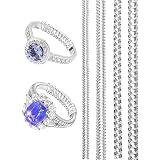
HEAVENAURA Ring Size Adjuster for Loose Rings | 4 Sizes in 1 Pack | Invisible Spiral Ring Guard | Soft Transparent Ring Tightener for Women & Men | Fits Most Rings
₹109.00 (as of September 22, 2026 08:54 GMT +05:30 - More infoProduct prices and availability are accurate as of the date/time indicated and are subject to change. Any price and availability information displayed on [relevant Amazon Site(s), as applicable] at the time of purchase will apply to the purchase of this product.)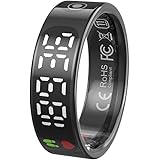
Aeoss Smart Ring | Built-in LED Display Health Tracker | HR, HRV, SPO₂, Sleep, Stress & Menstrual Tracking | Gesture Control | Multi-Sports | Up to 7 Days Battery | IP68 | Black
₹4,899.00 (as of September 22, 2026 08:54 GMT +05:30 - More infoProduct prices and availability are accurate as of the date/time indicated and are subject to change. Any price and availability information displayed on [relevant Amazon Site(s), as applicable] at the time of purchase will apply to the purchase of this product.)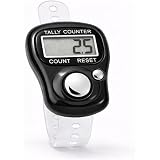
Mini Digital Finger Tally Counter Ring | Electronic Tasbeeh & Jap Mala Counter with Adjustable Finger Strap | Digital Clicker for Mantra Chanting, Meditation, Prayer, Stitch Counting (Pack of 2)
₹249.00 (as of September 22, 2026 08:54 GMT +05:30 - More infoProduct prices and availability are accurate as of the date/time indicated and are subject to change. Any price and availability information displayed on [relevant Amazon Site(s), as applicable] at the time of purchase will apply to the purchase of this product.)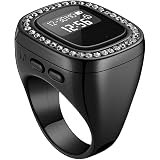
LEROKAS Electronic Tasbih Ring with Large HD Display, Smart Digital Zikr Counter, Azan Reminder and Alarm, Rechargeable, for Men and Women, Multi Colour
₹1,299.00 (as of September 22, 2026 08:54 GMT +05:30 - More infoProduct prices and availability are accurate as of the date/time indicated and are subject to change. Any price and availability information displayed on [relevant Amazon Site(s), as applicable] at the time of purchase will apply to the purchase of this product.)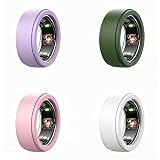
4 PCS Silicone Ring Covers, 4 Mixed Colors Dark Green, Lilac Purple, Clear, Pink, Universal S Size Protective Case Sleeve for Fitness Smart Ring, Elastic Soft Durable Ring Protector Compatible
₹399.00 (as of September 22, 2026 08:54 GMT +05:30 - More infoProduct prices and availability are accurate as of the date/time indicated and are subject to change. Any price and availability information displayed on [relevant Amazon Site(s), as applicable] at the time of purchase will apply to the purchase of this product.)
Gabit Smart Ring Sizing Kit | Size First Before You Buy | Includes 8 Sample Ring Sizes for Men, Women
₹289.00 (as of September 22, 2026 08:54 GMT +05:30 - More infoProduct prices and availability are accurate as of the date/time indicated and are subject to change. Any price and availability information displayed on [relevant Amazon Site(s), as applicable] at the time of purchase will apply to the purchase of this product.)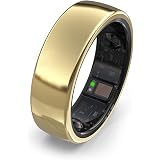
aabo Smart Ring for Men Women |Fitness Tracker Ring| Titanium Design| Sleep Tracker| Easy Connectivity | No App Subscription Required | Water Resistant | Upto 7-Day Battery Life| (Size 9, Gold)
₹5,568.00 (as of September 22, 2026 08:54 GMT +05:30 - More infoProduct prices and availability are accurate as of the date/time indicated and are subject to change. Any price and availability information displayed on [relevant Amazon Site(s), as applicable] at the time of purchase will apply to the purchase of this product.)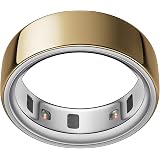
OURA Ring 4 - Gold - Size 8 - Smart Ring | Size First Ring 4 Sizing Kit | Sleep Tracking Wearable - Heart Rate - Fitness Tracker - Up to 8 Days Battery Life
₹27,929.00 (as of September 22, 2026 08:54 GMT +05:30 - More infoProduct prices and availability are accurate as of the date/time indicated and are subject to change. Any price and availability information displayed on [relevant Amazon Site(s), as applicable] at the time of purchase will apply to the purchase of this product.)
Gabit Smart Ring Skin | Anti Scratch Protective Cover | Skin Friendly, Lightweight, Durable, Comfortable Fit | Use During Workouts, Sports, Cooking, Cleaning | Color - Grey | Size - Medium, 9 to 14
Now retrieving the price.
(as of September 22, 2026 08:54 GMT +05:30 - More infoProduct prices and availability are accurate as of the date/time indicated and are subject to change. Any price and availability information displayed on [relevant Amazon Site(s), as applicable] at the time of purchase will apply to the purchase of this product.)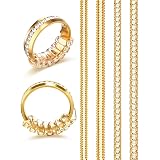
NORIQ 4 Pcs Gold Ring Adjuster for Loose Rings Invisible Ring Tightener Reducer Resizer Fit Spiral Silicone Set Finger Ring Size Adjuster For Women Men Adjustable Spring Spiral Silicone Tightener Set
₹99.00 (as of September 22, 2026 08:54 GMT +05:30 - More infoProduct prices and availability are accurate as of the date/time indicated and are subject to change. Any price and availability information displayed on [relevant Amazon Site(s), as applicable] at the time of purchase will apply to the purchase of this product.)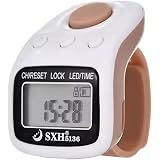
Vrajwasi 60 Lakh Noiseless Button Naam Japa Counter – Rechargeable Digital Finger Counter, Date and Time Feature, LCD Display & 6 Channels (White)
₹799.00 (as of September 22, 2026 08:54 GMT +05:30 - More infoProduct prices and availability are accurate as of the date/time indicated and are subject to change. Any price and availability information displayed on [relevant Amazon Site(s), as applicable] at the time of purchase will apply to the purchase of this product.)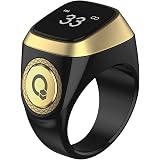
Zikr Ring, Smart Tasbih Zikr Ring, Ring Count Reminder, Muslim Prayer Timing Reminder, LED Display, Bluetooth Connection, Multi-time Optional-20mm (Black)
₹2,600.00 (as of September 22, 2026 08:54 GMT +05:30 - More infoProduct prices and availability are accurate as of the date/time indicated and are subject to change. Any price and availability information displayed on [relevant Amazon Site(s), as applicable] at the time of purchase will apply to the purchase of this product.)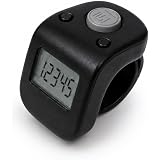
LAVISHIA 60 Lakh Noiseless Button Naam Japa Counter – Rechargeable Digital Finger Counter, Date and Time Feature, LCD Display & 6 Channels, Black
Now retrieving the price.
(as of September 22, 2026 08:54 GMT +05:30 - More infoProduct prices and availability are accurate as of the date/time indicated and are subject to change. Any price and availability information displayed on [relevant Amazon Site(s), as applicable] at the time of purchase will apply to the purchase of this product.)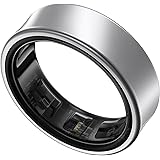
Samsung Galaxy Ring (Smartchoice), with Smart AI, Size First W/Sizing Kit, No App Subscription, Fitness Monitor, Sleep Tracker, Up to 7-Day Battery, Size 8, Titanium Silver
₹23,026.00 (as of September 22, 2026 08:54 GMT +05:30 - More infoProduct prices and availability are accurate as of the date/time indicated and are subject to change. Any price and availability information displayed on [relevant Amazon Site(s), as applicable] at the time of purchase will apply to the purchase of this product.)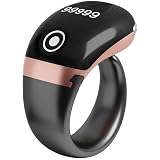
INSECTRA Smart Digital Jaap Counter Ring with HD OLED Display, Rechargeable Type-C Prayer Counter Ring, Adjustable Finger Tally Counter with Vibration Alert for Meditation
₹2,949.00 (as of September 22, 2026 08:54 GMT +05:30 - More infoProduct prices and availability are accurate as of the date/time indicated and are subject to change. Any price and availability information displayed on [relevant Amazon Site(s), as applicable] at the time of purchase will apply to the purchase of this product.)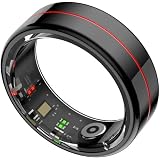
S1 AIR SMART Ring | Stress | Heart | hrv | Sleep | Oxygen | 5 ATM | Remote Camera | Gesture | find My Ring (Black 11 Size only)
₹1,900.00 (as of September 22, 2026 08:54 GMT +05:30 - More infoProduct prices and availability are accurate as of the date/time indicated and are subject to change. Any price and availability information displayed on [relevant Amazon Site(s), as applicable] at the time of purchase will apply to the purchase of this product.)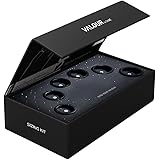
boAt Valour Ring 1 Sizing Kit for Valour Ring 1
₹499.00 (as of September 22, 2026 08:54 GMT +05:30 - More infoProduct prices and availability are accurate as of the date/time indicated and are subject to change. Any price and availability information displayed on [relevant Amazon Site(s), as applicable] at the time of purchase will apply to the purchase of this product.)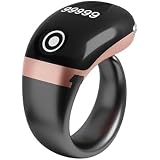
JASHIKUMI Smart Digital Jaap Counter Ring with HD OLED Display Adjustable Size Rechargeable Tasbeeh Counter Vibration Alerts Spiritual Prayer Tracker Gift for Men Women Daily Use
₹1,399.00 (as of September 22, 2026 08:54 GMT +05:30 - More infoProduct prices and availability are accurate as of the date/time indicated and are subject to change. Any price and availability information displayed on [relevant Amazon Site(s), as applicable] at the time of purchase will apply to the purchase of this product.)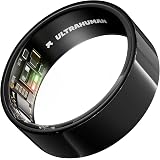
ULTRAHUMAN Ring AIR - Matte Black- Size 16 - Smart Ring | No Monthly Subscription | Size First with Sizing Kit | Sleep Tracking Wearable - Heart Rate - Fitness Tracker
Now retrieving the price.
(as of September 22, 2026 08:54 GMT +05:30 - More infoProduct prices and availability are accurate as of the date/time indicated and are subject to change. Any price and availability information displayed on [relevant Amazon Site(s), as applicable] at the time of purchase will apply to the purchase of this product.)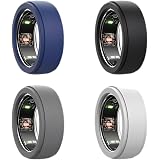
CyLmardev 4 Pcs Smart Ring Covers, Gabit Smart Ring and Oura Smart Ring Protection, Gym Workout and Daily Health Monitoring, Suitable for Men and Women, Fitness Tracking and Sleep Analysis
Now retrieving the price.
(as of September 22, 2026 08:54 GMT +05:30 - More infoProduct prices and availability are accurate as of the date/time indicated and are subject to change. Any price and availability information displayed on [relevant Amazon Site(s), as applicable] at the time of purchase will apply to the purchase of this product.)