
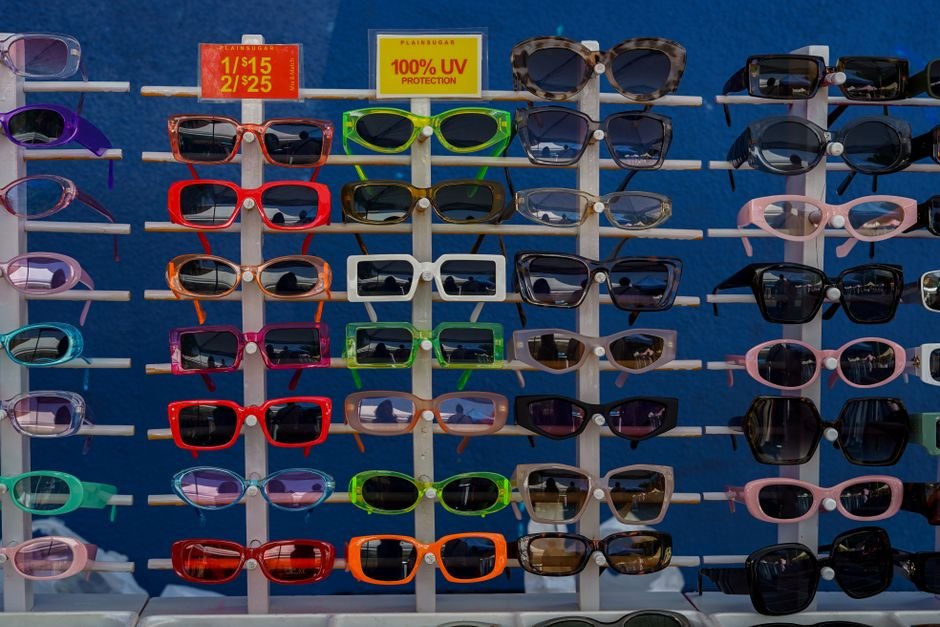
Summer Essentials: Choosing Sunglasses with Superior UV Protection
The radiant embrace of summer brings with it longer days, outdoor adventures, and the unmistakable allure of sunshine. As we bask in its warmth, a crucial yet often overlooked aspect of our summer preparedness is safeguarding our eyes. Sunglasses are more than just a fashion statement; they are vital guardians against the potent, invisible threat of ultraviolet (UV) radiation. Choosing sunglasses with superior UV protection is not a luxury, but an absolute necessity for maintaining long-term eye health and ensuring a comfortable, enjoyable summer.
The sun emits three types of UV radiation: UVA, UVB, and UVC. While UVC is largely absorbed by the Earth’s atmosphere, UVA and UVB rays penetrate, posing significant risks to our ocular tissues. Prolonged and unprotected exposure to these rays can lead to a cascade of detrimental effects, ranging from immediate discomfort to severe, irreversible damage. Understanding the nuances of UV protection is paramount when selecting your summer eyewear.
The Invisible Threat: Understanding UV Radiation and Eye Damage
UV radiation, particularly UVA and UVB, can inflict damage on various parts of the eye. The cornea, the transparent outer layer of the eye, can suffer from photokeratitis, commonly known as “snow blindness” or “sunburn of the eye.” This painful condition, often experienced after prolonged exposure to intense sunlight reflecting off snow or water, causes redness, irritation, tearing, and temporary vision impairment.
Beyond the immediate discomfort, chronic UV exposure significantly increases the risk of developing serious eye conditions. Pterygium, a fleshy growth that can extend from the conjunctiva (the clear membrane covering the white part of the eye) onto the cornea, is strongly linked to UV exposure, especially in sunny climates. Cataracts, the clouding of the eye’s natural lens, are another well-established consequence of long-term UV damage, leading to blurred vision and eventual blindness if left untreated. Macular degeneration, a leading cause of vision loss in older adults, also has a correlation with cumulative UV exposure, as it affects the central part of the retina responsible for sharp, detailed vision.
Furthermore, the delicate skin surrounding the eyes is also susceptible to UV damage, contributing to premature aging, wrinkles, and an increased risk of skin cancers, including basal cell carcinoma and squamous cell carcinoma. Therefore, selecting sunglasses that offer comprehensive UV protection is a multifaceted approach to preserving both vision and the health of the surrounding skin.
Decoding UV Protection Labels: What to Look For
Navigating the world of sunglasses can feel overwhelming, especially when prioritizing UV protection. Fortunately, reputable brands clearly label their eyewear to indicate the level of UV protection offered. The most important label to seek is “100% UV protection” or “UV400.”
-
UV400: This designation signifies that the lenses block all harmful UV rays with wavelengths up to 400 nanometers. This encompasses both UVA and UVB rays, providing the highest level of protection available. If you see “UV400” on the label, you can be confident that your eyes are well-guarded.
-
100% UV Protection: This is essentially synonymous with UV400 and indicates complete blockage of UV radiation.
It’s crucial to understand that the tint or color of the lenses has no bearing on their UV protection capabilities. Darker lenses do not necessarily offer superior UV protection. In fact, wearing dark, non-UV-protective lenses can be more harmful than wearing no sunglasses at all. This is because the darker tint can cause the pupils to dilate, allowing more UV light to enter the eye without the protective barrier. Always prioritize the UV protection label over the lens color.
Lens Materials and Their Impact on UV Protection
While the UV protection rating is paramount, the material of the lens can also play a role in overall eye comfort and durability.
-
Polycarbonate Lenses: These are a popular choice for sunglasses due to their exceptional impact resistance and inherent UV-blocking properties. Polycarbonate naturally filters out a significant portion of UV rays without the need for additional coatings. They are lightweight, making them comfortable for extended wear, and are an excellent option for active individuals and children.
-
CR-39 Lenses: Also known as allyl diglycol carbonate, CR-39 is another common lens material that offers good optical clarity. While it doesn’t inherently block UV rays as effectively as polycarbonate, it can be treated with UV-protective coatings to achieve the desired UV400 rating. CR-39 lenses are generally more scratch-resistant than polycarbonate.
-
Glass Lenses: Traditional glass lenses offer excellent optical clarity and scratch resistance. However, they are heavier and more prone to breaking than plastic alternatives. While some glass lenses may offer UV protection, it’s often achieved through coatings rather than the material itself.
-
Polarized Lenses: Polarization is a feature that reduces glare from reflective surfaces like water, snow, and roads. While polarized lenses do not inherently offer UV protection, they are often combined with UV-protective coatings. If you are choosing polarized sunglasses, ensure they also carry the UV400 or 100% UV protection label. Polarized lenses significantly enhance visual comfort and clarity, especially in bright, glary conditions, making them a highly recommended option for summer activities.
Beyond UV Protection: Additional Features for Optimal Summer Eyewear
While UV protection remains the core concern, several other features can enhance your sunglasses’ suitability for summer.
-
Lens Color: While not related to UV protection, lens color can influence visual perception and comfort.
- Grey lenses: Offer true color perception and are ideal for general use and bright conditions.
- Brown or amber lenses: Enhance contrast and can be beneficial for driving and sports, especially in variable light conditions. They can also reduce blue light, which may contribute to eye strain.
- Green lenses: Offer good contrast and color accuracy, making them suitable for a wide range of activities.
- Yellow or orange lenses: Significantly enhance contrast and are excellent for low-light conditions, such as overcast days or twilight. They are often favored by skiers and cyclists.
-
Lens Coatings: Beyond UV protection, several coatings can improve lens performance:
- Anti-scratch coating: Protects lenses from minor abrasions, prolonging their lifespan.
- Anti-reflective coating (AR coating): Reduces glare from the back surface of the lens, improving visual clarity and reducing eye strain.
- Hydrophobic/Oleophobic coating: Repels water and oil, making lenses easier to clean and resistant to smudges. This is particularly useful for activities near water or in humid environments.
-
Frame Fit and Style: A comfortable and secure frame is essential for effective UV protection.
- Wraparound styles: These frames curve around the face, providing maximum coverage and minimizing UV ray penetration from the sides, top, and bottom. They are ideal for outdoor sports and activities where intense sunlight is a constant factor.
- Larger frame sizes: Generally offer more coverage for the eyes and surrounding skin compared to smaller frames.
- Comfortable nose pads and temple tips: Ensure the sunglasses stay in place without causing discomfort, especially during physical activity.
When to Wear Your Sunglasses: Making UV Protection a Habit
The importance of wearing sunglasses extends beyond just the hottest days of summer. UV radiation is present year-round, even on cloudy days.
- Peak Hours: UV radiation is strongest between 10 AM and 4 PM. During these hours, wearing sunglasses is particularly crucial.
- Reflective Surfaces: Water, sand, snow, and even concrete can reflect UV rays, intensifying exposure. Be extra vigilant when participating in activities near these surfaces.
- High Altitudes: UV radiation increases with altitude. If you’re heading to the mountains, don’t forget your UV-protective sunglasses.
- Children’s Eyes: Children’s eyes are more susceptible to UV damage than adults’ eyes due to their clearer lenses and larger pupils. Ensure they wear age-appropriate sunglasses with 100% UV protection.
Invest in Your Eye Health: The Long-Term Benefits
Choosing sunglasses with superior UV protection is an investment in your long-term eye health. By making informed decisions about lens technology and frame fit, you can significantly reduce your risk of developing debilitating eye conditions and ensure comfortable, clear vision for years to come. Don’t let the allure of summer sunshine compromise your vision. Prioritize UV protection, and enjoy the season with confidence and healthy eyes.