
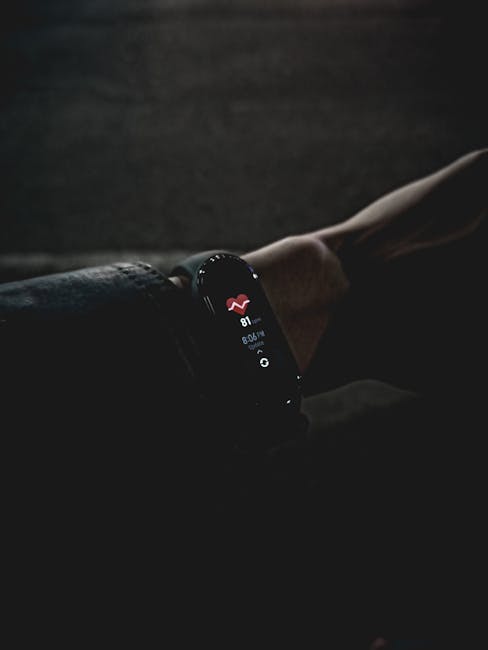
Stay Healthy with SpO2: Top Fitness Bands for Oxygen Monitoring
In the pursuit of optimal well-being, understanding your body’s vital signs has become increasingly accessible. Among these, blood oxygen saturation (SpO2) monitoring has emerged as a key metric for fitness enthusiasts and health-conscious individuals alike. SpO2, representing the percentage of hemoglobin in your blood that is carrying oxygen, offers valuable insights into your respiratory and cardiovascular health, particularly during physical exertion and sleep. Fortunately, the integration of SpO2 sensors into modern fitness bands has democratized this health data, making it a readily available feature for everyday monitoring. This article delves into the significance of SpO2 and highlights the top fitness bands that excel in providing accurate and insightful oxygen monitoring, empowering you to stay ahead of your health game.
The importance of maintaining healthy SpO2 levels cannot be overstated. While a normal SpO2 reading typically falls between 95% and 100%, drops below this range can indicate underlying issues. During strenuous exercise, your body’s oxygen demand increases. A well-functioning cardiovascular and respiratory system will efficiently deliver oxygenated blood to your muscles. Tracking your SpO2 during workouts can help you gauge your body’s response to training intensity, identify potential overexertion, and optimize your recovery. For athletes, understanding how their bodies adapt to altitude or demanding environments is crucial, and SpO2 monitoring plays a vital role in this assessment.
Beyond fitness, SpO2 monitoring is increasingly recognized for its utility in sleep tracking. Fluctuations in oxygen levels during sleep can be indicative of sleep apnea or other respiratory disturbances. Many advanced fitness bands now offer overnight SpO2 tracking, providing a continuous record of your oxygen saturation throughout the night. This data can alert you to potential sleep quality issues, prompting further investigation if necessary. Furthermore, for individuals with pre-existing respiratory conditions, such as asthma or COPD, regular SpO2 monitoring can offer peace of mind and a valuable tool for managing their health in conjunction with their healthcare provider.
Choosing a fitness band with reliable SpO2 monitoring requires careful consideration of several factors. Accuracy is paramount. While consumer-grade sensors are not medical-grade devices, reputable brands invest in sophisticated optical sensors and algorithms to deliver reasonably accurate readings. Ease of use and data interpretation are also crucial. The accompanying app should present SpO2 data in a clear, understandable format, often with trend analysis and historical logs. Battery life is another important consideration, especially if you plan to utilize continuous overnight monitoring. Finally, the overall feature set of the fitness band, including its fitness tracking capabilities, smartwatch functionalities, and durability, should align with your personal needs and preferences.
Garmin Vivosmart 5: A strong contender for those seeking a no-nonsense approach to health tracking, the Garmin Vivosmart 5 integrates SpO2 monitoring seamlessly. This compact and lightweight band prioritizes core health metrics, including heart rate, stress tracking, and advanced sleep monitoring, which incorporates SpO2 readings. The Garmin Connect app provides a comprehensive overview of your data, allowing you to identify trends and understand how your activity levels impact your oxygen saturation. Its comfortable design makes it ideal for 24/7 wear, ensuring continuous data collection. The Vivosmart 5 also boasts excellent battery life, often lasting over a week on a single charge, further enhancing its utility for consistent SpO2 tracking. Its user-friendly interface and focus on actionable health insights make it a compelling choice for everyday wellness monitoring.
Fitbit Charge 5: Fitbit has long been a leader in the fitness tracker market, and the Charge 5 continues this legacy with robust SpO2 monitoring capabilities. This sleek and stylish band offers a vibrant AMOLED display and a suite of advanced health sensors. Its SpO2 sensor provides on-demand readings and also tracks your oxygen saturation levels overnight, contributing to Fitbit’s comprehensive sleep score. The Fitbit app excels in presenting data in an easily digestible format, offering personalized insights and guided programs to help you improve your health. The Charge 5 also includes an electrodermal activity (EDA) sensor for stress management and ECG capabilities for heart health, making it a holistic wellness companion. Its durable build and water resistance make it suitable for various activities.
Amazfit Band 7: For budget-conscious consumers seeking effective SpO2 monitoring, the Amazfit Band 7 presents an exceptional value proposition. This feature-rich band offers continuous SpO2 tracking, alongside a comprehensive suite of fitness and health metrics. Its large, vibrant display makes it easy to view your data at a glance, and the accompanying Zepp app provides detailed insights into your SpO2 trends, sleep patterns, and workout performance. The Amazfit Band 7 boasts an impressive battery life, often lasting for weeks on a single charge, which is a significant advantage for uninterrupted monitoring. Its lightweight and comfortable design ensures it won’t interfere with your sleep or daily activities, making it an excellent option for those prioritizing consistent oxygen saturation tracking without breaking the bank.
Samsung Galaxy Fit3: Samsung’s foray into the fitness tracker space with the Galaxy Fit3 offers a compelling blend of functionality and affordability, with SpO2 monitoring being a key feature. This stylish band integrates seamlessly with the Samsung Health ecosystem, providing a centralized hub for all your health data. The Galaxy Fit3 offers on-demand SpO2 readings and also monitors your blood oxygen levels during sleep, contributing to a more comprehensive understanding of your respiratory health. Its bright AMOLED display ensures clarity, and the intuitive interface makes navigating its features straightforward. The Galaxy Fit3 also includes a range of fitness tracking modes, sleep analysis, and stress monitoring, making it a well-rounded device for everyday health management. Its impressive battery life further enhances its practicality for continuous monitoring.
Coros Pace 3: While often recognized for its advanced GPS and multi-sport tracking capabilities, the Coros Pace 3 also incorporates SpO2 monitoring, making it a valuable tool for endurance athletes and those who push their physical limits. The Pace 3’s SpO2 sensor is designed to provide accurate readings during strenuous activities and at altitude, offering insights into your body’s oxygen utilization during challenging conditions. The Coros app presents this data in a detailed manner, allowing athletes to analyze their performance and recovery in relation to their oxygen saturation levels. Beyond SpO2, the Pace 3 offers comprehensive training metrics, long battery life, and a durable build, making it a robust choice for serious athletes who want to optimize their training and monitor their overall health.
When evaluating SpO2 readings, it’s important to remember that these devices are not medical instruments. Factors such as skin tone, movement, and ambient temperature can influence accuracy. However, for general wellness tracking and identifying significant deviations from your baseline, these fitness bands offer a powerful and accessible tool. By consistently monitoring your SpO2, you can gain a deeper understanding of your body’s response to exercise, sleep, and environmental factors, empowering you to make informed decisions about your health and fitness journey. The evolution of fitness band technology continues to bring sophisticated health monitoring capabilities to our wrists, making staying healthy with SpO2 more achievable than ever before.