
Stay Cool: Your Essential Air Conditioner Buying Guide
As summer’s heat intensifies, the allure of cool, conditioned air becomes irresistible. Investing in an air conditioner (AC) is a significant decision, impacting your comfort, energy bills, and even indoor air quality for years to come. Navigating the vast array of options can feel overwhelming, but with a clear understanding of your needs and the available technologies, you can make an informed purchase that delivers optimal performance and lasting satisfaction. This comprehensive guide will equip you with the knowledge to choose the perfect air conditioner for your home.
Understanding Your Cooling Needs: Size Matters (BTUs)
The most crucial factor in selecting an air conditioner is its cooling capacity, measured in British Thermal Units (BTUs). An AC with too little BTUs will struggle to cool your space effectively, running constantly and wasting energy. Conversely, an oversized unit will cycle on and off too frequently, leading to uneven cooling, increased humidity, and premature wear and tear.
-
Room Size is Key: The general rule of thumb is to match BTUs to square footage.
- 100-150 sq. ft.: 5,000 BTUs
- 150-250 sq. ft.: 6,000 BTUs
- 250-350 sq. ft.: 8,000 BTUs
- 350-450 sq. ft.: 10,000 BTUs
- 450-550 sq. ft.: 12,000 BTUs
- 550-700 sq. ft.: 14,000 BTUs
- 700-1,000 sq. ft.: 18,000 BTUs
- 1,000-1,200 sq. ft.: 21,000 BTUs
- 1,200-1,400 sq. ft.: 23,000 BTUs
- 1,400-1,500 sq. ft.: 24,000 BTUs
-
Beyond Square Footage: Several factors can influence the required BTU rating. If your room has high ceilings, is very sunny, is located on an upper floor, or is frequently occupied by multiple people, you may need to increase the BTU capacity by 10-20%. Conversely, a room with good insulation and shade might require a slightly lower BTU rating.
Types of Air Conditioners: Finding the Right Fit
The market offers a diverse range of AC types, each with its own advantages and ideal applications:
-
Window Air Conditioners: These are the most common and affordable option, designed to be installed in a window frame. They are ideal for cooling single rooms and offer a straightforward installation process. Look for models with adjustable side panels to create a snug fit and prevent air leaks.
-
Portable Air Conditioners: Similar to window units, portable ACs are designed for single rooms but are not permanently installed. They sit on the floor and require an exhaust hose to be vented out a window. Their mobility is a significant advantage, allowing you to move them between rooms as needed. However, they are generally less efficient and noisier than window units.
-
Through-the-Wall Air Conditioners: These units are installed through an exterior wall, often in a sleeve. They offer a more permanent and secure installation than window units, as they don’t block the window view. They are a good choice for rooms where a window installation isn’t feasible or desirable.
-
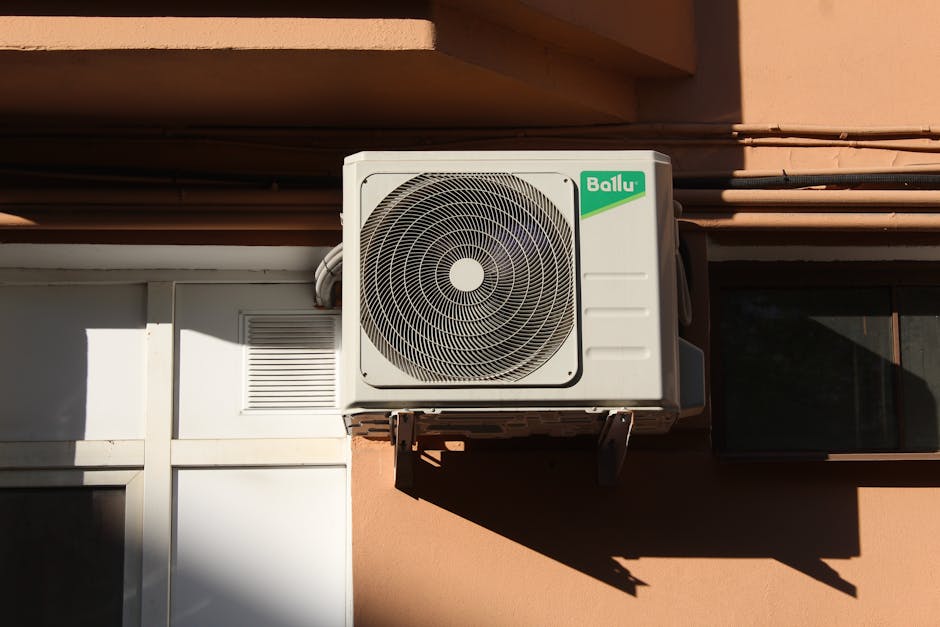
Ductless Mini-Split Systems: These advanced systems consist of an outdoor compressor unit connected to one or more indoor air-handling units via refrigerant lines. They are highly efficient, quiet, and offer zoned cooling, allowing you to control the temperature of individual rooms independently. Mini-splits are an excellent solution for homes without existing ductwork, additions, or for those seeking superior energy efficiency and precise temperature control.
-
Central Air Conditioners: For whole-house cooling, central air conditioning is the standard. A central AC system uses a network of ducts to distribute cooled air throughout your home from a single outdoor unit and indoor air handler. This provides consistent and comfortable cooling but requires significant investment in installation and maintenance.
Energy Efficiency: Saving Money and the Planet
Energy efficiency is paramount when choosing an air conditioner. Look for the ENERGY STAR® label, which signifies that a product meets strict energy efficiency guidelines set by the U.S. Environmental Protection Agency.
-
Seasonal Energy Efficiency Ratio (SEER): For central air conditioners and mini-splits, SEER is the most important efficiency rating. It measures how efficiently the unit cools over an entire season. Higher SEER ratings indicate greater efficiency and lower operating costs. The current minimum SEER rating for new central air conditioners is 13, but opting for models with SEER ratings of 16 or higher can lead to substantial long-term savings.
-
Energy Efficiency Ratio (EER): Window and portable air conditioners typically use EER, which measures efficiency at a specific outdoor temperature. Higher EER ratings are better.
-
Power Consumption: Pay attention to the wattage or amperage listed on the unit’s specifications. Lower numbers generally mean lower energy consumption.
Key Features to Consider: Enhancing Comfort and Convenience
Beyond the basics, several features can significantly enhance your AC experience:
-
Programmable Thermostats: Allow you to set schedules for cooling, automatically adjusting temperatures when you’re away or asleep, saving energy and money. Many smart thermostats offer remote control via smartphone apps.
-
Remote Controls: Provide convenient operation from across the room.
-
Sleep Modes: Gradually adjust the temperature throughout the night to optimize comfort and reduce energy usage.
-
Fan Speeds: Multiple fan speeds offer flexibility in controlling airflow and noise levels.
-
Air Filters: A good air filter is essential for improving indoor air quality by trapping dust, pollen, and other allergens. Look for washable or easily replaceable filters. Some units offer advanced filtration systems.
-
Dehumidification Mode: Many ACs have a dedicated mode to remove excess moisture from the air, making your home feel more comfortable even at slightly higher temperatures.
-
Quiet Operation: Noise levels are often measured in decibels (dB). For bedrooms or living areas, look for units with lower decibel ratings.
-
Smart Technology: Wi-Fi connectivity allows for remote control, scheduling, energy monitoring, and integration with smart home systems.
-
Auto-Restart Function: In the event of a power outage, this feature allows the AC to resume its previous settings once power is restored, preventing manual readjustment.
Installation and Maintenance: Ensuring Longevity and Performance
Proper installation is critical for the optimal performance and lifespan of your air conditioner.
-
Professional Installation: For central air conditioners and mini-split systems, professional installation by a certified HVAC technician is highly recommended. Incorrect installation can lead to reduced efficiency, system failures, and voided warranties.
-
DIY Installation (Window/Portable): While window and portable ACs are often designed for DIY installation, always follow the manufacturer’s instructions carefully. Ensure a secure fit to prevent air leaks and drafts.
-
Regular Maintenance:
- Clean or Replace Air Filters: This is the most important maintenance task. Dirty filters restrict airflow, reduce efficiency, and can lead to system damage. Check and clean/replace filters monthly during peak usage.
- Clean Condenser Coils (Outdoor Unit): Over time, dirt and debris can accumulate on the outdoor unit’s coils, hindering heat dissipation. Gently clean them with a soft brush or hose.
- Check for Leaks: Ensure refrigerant lines are properly sealed and that there are no visible leaks.
- Professional Tune-Ups: Schedule annual professional maintenance for central AC and mini-split systems to ensure they are operating at peak efficiency and to identify any potential issues before they become major problems.
Budgeting for Your Air Conditioner
The cost of an air conditioner varies significantly based on type, size, efficiency, and features.
- Window/Portable ACs: Typically range from $200 to $800.
- Through-the-Wall ACs: Can cost between $400 and $1,000.
- Ductless Mini-Splits: Installation and unit costs can range from $2,000 to $6,000 or more, depending on the number of indoor units.
- Central Air Conditioners: The most significant investment, often ranging from $4,000 to $10,000 or more, including installation.
Remember to factor in the long-term cost of energy consumption. A more energy-efficient unit, though potentially more expensive upfront, can save you hundreds or even thousands of dollars on electricity bills over its lifetime.
Making Your Final Decision
By carefully considering your cooling needs, understanding the different types of air conditioners, prioritizing energy efficiency, and evaluating key features, you can confidently select an air conditioning system that will keep you comfortable and your energy bills in check for years to come. Don’t rush the process; research, compare models, and consult with professionals when necessary to ensure you make the best investment for your home and your family’s well-being.