Navigating the world of air conditioning units can feel like a complex undertaking, with a bewildering array of options, technical jargon, and varying price points. This comprehensive guide aims to demystify the process, empowering you to make an informed decision and select the perfect air conditioner to transform your living or working space into a cool, comfortable sanctuary.
Understanding Your Cooling Needs: The Foundation of Your Choice
Before diving into specific unit types, a crucial first step is accurately assessing your cooling requirements. This involves considering several key factors:
- Room Size and Layout: The most critical determinant of AC size is the square footage of the area you intend to cool. Oversized units will cycle on and off too frequently, leading to inefficient cooling, increased humidity, and premature wear. Undersized units will struggle to reach the desired temperature, running constantly and wasting energy. Consult the manufacturer’s recommended coverage area for each model, often expressed in square feet. Consider open-plan layouts that require a more powerful unit than separate, enclosed rooms of the same total square footage.
- Climate and Ambient Temperature: If you reside in a region with extreme heat and humidity, you’ll require a more robust and powerful unit than someone in a milder climate. High humidity also necessitates an AC with good dehumidification capabilities.
- Insulation and Window Efficiency: The quality of your home’s insulation and the energy efficiency of your windows significantly impact how quickly a room heats up. Poor insulation means your AC will work harder and longer. Consider window treatments like blinds or curtains to block direct sunlight.
- Sun Exposure: Rooms that receive direct sunlight for extended periods will heat up considerably more than those with shaded windows. Factor this into your cooling calculations.
- Occupancy and Heat-Generating Appliances: The number of people regularly occupying a space and the presence of heat-generating appliances (computers, televisions, ovens) will increase the cooling load.
- Noise Sensitivity: Some AC units are considerably louder than others. If you are particularly sensitive to noise, look for models with low decibel (dB) ratings, especially if the unit will be in a bedroom or living area.
Types of Air Conditioners: A Feature-Benefit Breakdown
Once your cooling needs are established, you can explore the different types of air conditioners available:
-
Window Air Conditioners: These are the most common and often the most budget-friendly option. They are designed to fit into a standard window opening.
- Pros: Affordable, easy to install (often a DIY project), readily available in various sizes and capacities.
- Cons: Can obstruct window views, potentially less aesthetically pleasing, can be noisy, may require window security measures, not suitable for all window types.
- Ideal for: Single rooms, apartments, small homes, or supplementing existing cooling systems.
-
Portable Air Conditioners: These units sit on the floor and typically have a hose that vents hot air out of a window.
- Pros: Easy to move between rooms, no permanent installation required, good for renters.
- Cons: Generally less efficient than window units, can be noisy, the exhaust hose can be cumbersome, often require draining of condensation.
- Ideal for: Temporary cooling needs, spaces where window units are not feasible, or as a backup cooling solution.
-
Through-the-Wall Air Conditioners: Similar to window units but designed for permanent installation through an exterior wall.
- Pros: More secure and aesthetically pleasing than window units, can offer better insulation.
- Cons: Requires cutting a hole in the wall, professional installation is usually recommended, less portable.
- Ideal for: Homes or buildings where window units are undesirable or impractical, offering a more permanent and integrated solution.
-
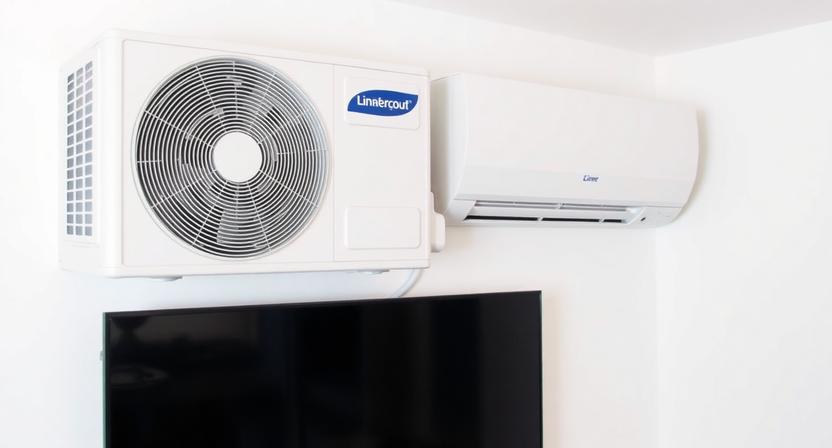
Ductless Mini-Split Systems: These systems consist of an outdoor compressor/condenser unit and one or more indoor air-handling units, connected by refrigerant lines and electrical wiring.
- Pros: Highly energy-efficient, quiet operation, excellent temperature control, zoned cooling (allowing individual temperature settings for different rooms), aesthetically pleasing indoor units, ideal for homes without existing ductwork.
- Cons: Higher upfront cost compared to window or portable units, professional installation is essential.
- Ideal for: Homes of all sizes, additions, rooms with no ductwork, homeowners seeking precise temperature control and energy savings.
-
Central Air Conditioning Systems: These systems cool an entire house or building through a network of ducts. They consist of an outdoor unit (condenser and compressor) and an indoor unit (evaporator coil, typically located with the furnace).
- Pros: Provides consistent cooling throughout the entire home, often the most efficient for large spaces, can be integrated with heating systems.
- Cons: Highest upfront cost, requires existing ductwork or installation of new ductwork, professional installation and maintenance are crucial.
- Ideal for: Larger homes or buildings where whole-house cooling is desired, homeowners with existing ductwork.
Key Features and Technologies to Consider
Beyond the unit type, several features can enhance performance, efficiency, and user experience:
- Energy Efficiency Ratio (EER) and Seasonal Energy Efficiency Ratio (SEER): These ratings indicate how efficiently an AC unit converts electricity into cooling. Higher EER and SEER ratings signify greater energy efficiency, leading to lower electricity bills. Look for units with ENERGY STAR certification, which guarantees they meet strict energy efficiency guidelines.
- BTUs (British Thermal Units): This is the standard measure of an air conditioner’s cooling capacity. A higher BTU rating indicates a greater cooling power. Ensure the BTU rating aligns with your room size and cooling needs.
- Thermostat and Controls: Look for programmable thermostats that allow you to set schedules for cooling, saving energy when you’re away or sleeping. Digital displays offer precise temperature control. Remote controls add convenience.
- Fan Speeds: Multiple fan speeds allow you to adjust airflow and noise levels.
- Dehumidification Mode: Essential for humid climates, this mode removes excess moisture from the air, making the space feel more comfortable even at slightly higher temperatures.
- Air Filters: A good quality air filter helps remove dust, pollen, and other airborne particles, improving indoor air quality. Consider washable or easily replaceable filters for ongoing maintenance.
- Quiet Operation (Decibel Rating): As mentioned earlier, lower decibel ratings are preferable for quieter environments.
- Smart Features: Many modern ACs offer Wi-Fi connectivity, allowing you to control them remotely via smartphone apps, integrate them with smart home systems, and receive maintenance alerts.
- Refrigerant Type: Newer units often use environmentally friendly refrigerants like R-410A, which are more efficient and have a lower impact on the ozone layer.
Installation and Maintenance: Ensuring Optimal Performance
The proper installation and regular maintenance of your air conditioner are crucial for its longevity, efficiency, and performance.
- Professional Installation: For ductless mini-split and central air conditioning systems, professional installation is non-negotiable. An experienced technician will ensure correct sizing, proper refrigerant charging, and secure connections, preventing potential issues and maximizing efficiency.
- DIY Installation (Window/Portable Units): While many window and portable units can be installed by homeowners, always follow the manufacturer’s instructions carefully. Ensure a secure fit to prevent drafts and maintain efficiency.
- Regular Filter Cleaning/Replacement: This is the most critical routine maintenance task. Dirty filters restrict airflow, reducing efficiency and putting a strain on the unit. Check and clean or replace filters monthly, or more frequently in dusty environments.
- Annual Professional Servicing: Schedule an annual check-up with a qualified HVAC technician. They can inspect electrical connections, clean coils, check refrigerant levels, and identify any potential problems before they become major issues.
- Condensate Drainage: Ensure condensate drains are clear to prevent water buildup and potential damage.
Making the Final Decision: Balancing Factors
Choosing the right air conditioner involves a careful balancing act of several factors:
- Budget: Determine your upfront budget for the unit itself and potential installation costs. Remember that a slightly higher upfront investment in an energy-efficient model can lead to significant savings on your electricity bills over time.
- Energy Efficiency: Prioritize energy-efficient models with high EER and SEER ratings, especially if you live in a hot climate or plan to use the AC frequently.
- Cooling Capacity (BTUs): Ensure the BTU rating is appropriate for the space you need to cool to avoid inefficient operation.
- Features and Convenience: Consider which features will enhance your comfort and ease of use, such as programmable thermostats, remote controls, or smart capabilities.
- Noise Level: If noise is a concern, compare decibel ratings before making a purchase.
- Warranty: Check the warranty offered by the manufacturer, as it provides peace of mind and protection against defects.
By thoroughly assessing your needs, understanding the different types of units, and considering key features, you can confidently select an air conditioner that will provide optimal comfort and energy efficiency for years to come.
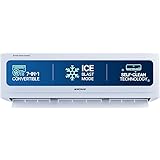
Acerpure Smart Choice Chill Neo 1.5 Ton 3 star 4800W AC5IPG61.5TN3W48W 7 in 1 Convertible, Ice Blast Mode, 4 way swing, Cooling @ 58 degree
₹35,290.00 (as of September 22, 2026 01:27 GMT +05:30 - More infoProduct prices and availability are accurate as of the date/time indicated and are subject to change. Any price and availability information displayed on [relevant Amazon Site(s), as applicable] at the time of purchase will apply to the purchase of this product.)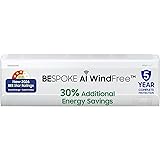
Samsung 1.5Ton 3Star,New Star rated, Bespoke AI WindFree Inverter Smart Split AC (WiFi, Energy Saving, Voice Control, Powerful Cooling, Copper, Digital Inverter, white,AR60H18D1LWNNA)
₹39,990.00 (as of September 22, 2026 01:27 GMT +05:30 - More infoProduct prices and availability are accurate as of the date/time indicated and are subject to change. Any price and availability information displayed on [relevant Amazon Site(s), as applicable] at the time of purchase will apply to the purchase of this product.)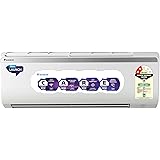
Daikin 0.8 Ton 2 Star, New Star rated,Fixed Speed Split AC (Copper, PM2.5 Filter, FTQ28XV16, White)
₹26,490.00 (as of September 22, 2026 01:27 GMT +05:30 - More infoProduct prices and availability are accurate as of the date/time indicated and are subject to change. Any price and availability information displayed on [relevant Amazon Site(s), as applicable] at the time of purchase will apply to the purchase of this product.)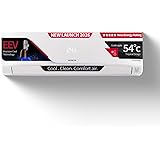
Hitachi Smart Choice 1 Ton 5 Star, New Star rated, Inverter Split AC (Copper, Smart View Display, ice Clean, 4 Way Swing, Anti-Bacterial Filter,RAS.V512PCDIBT, White)
₹38,000.00 (as of September 22, 2026 01:27 GMT +05:30 - More infoProduct prices and availability are accurate as of the date/time indicated and are subject to change. Any price and availability information displayed on [relevant Amazon Site(s), as applicable] at the time of purchase will apply to the purchase of this product.)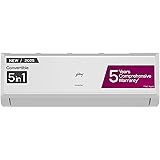
Godrej 1.5 Ton 3 Star, 5 Years Comprehensive Warranty, AI Powered, 5-In-1 Convertible Cooling, Inverter Split AC (Copper, Model, Heavy duty cooling at 52 °C, AC1.5T EI 18P3T WZT 3S, White)
₹35,000.00 (as of September 22, 2026 01:27 GMT +05:30 - More infoProduct prices and availability are accurate as of the date/time indicated and are subject to change. Any price and availability information displayed on [relevant Amazon Site(s), as applicable] at the time of purchase will apply to the purchase of this product.)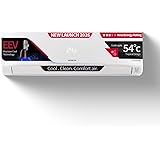
Hitachi Smart Choice 1.5 Ton 3 Star, New Star rated, Inverter Split AC(Copper, Smart View Display, 4 Way Swing,RAS.D318PCD2BS1, White)
₹36,500.00 (as of September 22, 2026 01:27 GMT +05:30 - More infoProduct prices and availability are accurate as of the date/time indicated and are subject to change. Any price and availability information displayed on [relevant Amazon Site(s), as applicable] at the time of purchase will apply to the purchase of this product.)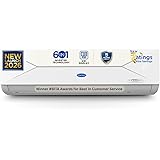
Carrier 1 Ton 3 Star,New Star rated, Flexicool Inverter Split AC (Copper, Convertible 6-in-1 with Smart Energy Display, Insta Cool, Auto Clean, PM 2.5 Filter, ESTER EDGE Gxi-CAI12EE3R36F0, White)
₹32,990.00 (as of September 22, 2026 01:27 GMT +05:30 - More infoProduct prices and availability are accurate as of the date/time indicated and are subject to change. Any price and availability information displayed on [relevant Amazon Site(s), as applicable] at the time of purchase will apply to the purchase of this product.)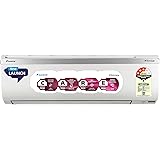
Daikin 1.5 Ton 3 Star, New Star rated, Inverter Split AC (Copper, PM2.5 Filter, MTKL50XV16, White)
₹37,490.00 (as of September 22, 2026 01:27 GMT +05:30 - More infoProduct prices and availability are accurate as of the date/time indicated and are subject to change. Any price and availability information displayed on [relevant Amazon Site(s), as applicable] at the time of purchase will apply to the purchase of this product.)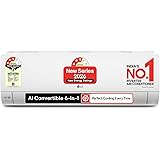
LG 1.5 Ton 3 Star, Smart Inverter Split AC (100% Copper Condenser, AI Convertible 6-in-1, Faster Cooling & Energy Saving, Diet Mode+, HD Filter with Anti-Virus Protection,Him Clean, AS-Q18JNXE,White)
₹35,990.00 (as of September 22, 2026 01:27 GMT +05:30 - More infoProduct prices and availability are accurate as of the date/time indicated and are subject to change. Any price and availability information displayed on [relevant Amazon Site(s), as applicable] at the time of purchase will apply to the purchase of this product.)
Helium Smart Choice Air Smart Inverter Split AC |0.8 Ton, 3 star|New star rated|Lowest bill @ under ₹30/day|2700 W Cooling Capacity|App Controlled|AI Energy Saving | Gas Leakage Detection| 100% Copper
₹22,990.00 (as of September 22, 2026 01:27 GMT +05:30 - More infoProduct prices and availability are accurate as of the date/time indicated and are subject to change. Any price and availability information displayed on [relevant Amazon Site(s), as applicable] at the time of purchase will apply to the purchase of this product.)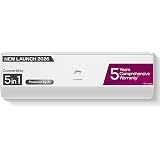
Godrej 2 Ton 3 Star AC | New star rated | Inverter Split AC | 5-Year Comprehensive Warranty | AI Powered | 5-in-1 Convertible | I-Sense Technology | Self-clean (AC 2T EC HIC 24J3TS WA, White)
₹42,990.00 (as of September 22, 2026 01:27 GMT +05:30 - More infoProduct prices and availability are accurate as of the date/time indicated and are subject to change. Any price and availability information displayed on [relevant Amazon Site(s), as applicable] at the time of purchase will apply to the purchase of this product.)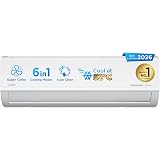
Midea 1.5 Ton 3 Star Inverter Split AC, 6-in-1, MAI18SD3R36F1 | Copper Condenser, 52°C Heavy Duty Cooling, Turbo Mode, HD+PM 2.5 Filter, Auto Clean, Santis MAX RYL Wi-Fi, White
₹32,490.00 (as of September 22, 2026 01:27 GMT +05:30 - More infoProduct prices and availability are accurate as of the date/time indicated and are subject to change. Any price and availability information displayed on [relevant Amazon Site(s), as applicable] at the time of purchase will apply to the purchase of this product.)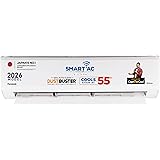
Panasonic 1.5 Ton 5 Star Premium Wi-Fi Inverter Smart Split AC (Matter/MirAIe, AI, DustBuster, 55°C Oper., Copper Condenser, 8in1 Convertible, 4-Way, PM0.1 Filter, CS/CU-NU18BKY5WX, 2026 Model, White)
₹48,990.00 (as of September 22, 2026 01:27 GMT +05:30 - More infoProduct prices and availability are accurate as of the date/time indicated and are subject to change. Any price and availability information displayed on [relevant Amazon Site(s), as applicable] at the time of purchase will apply to the purchase of this product.)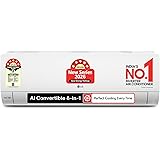
LG 1 Ton 5 Star, New star rated, Smart Inverter Split AC (Copper, AI Convertible 6-in-1 Cooling, Faster Cooling & Energy Saving, HD Filter with Anti-Virus Protection, Him Clean, AS-Q14YNZE, White)
₹42,690.00 (as of September 22, 2026 01:27 GMT +05:30 - More infoProduct prices and availability are accurate as of the date/time indicated and are subject to change. Any price and availability information displayed on [relevant Amazon Site(s), as applicable] at the time of purchase will apply to the purchase of this product.)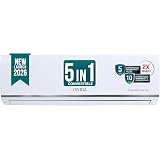
ONIDA 1 Ton 3 Star, New Star Rated, Inverter Split AC (Copper, Convertible 5-in-1, Fast Cooling at 55 °C, Deep Frost Clean, Turbo Flush Technology, IR123MGSP,White)
₹27,069.00 (as of September 22, 2026 01:27 GMT +05:30 - More infoProduct prices and availability are accurate as of the date/time indicated and are subject to change. Any price and availability information displayed on [relevant Amazon Site(s), as applicable] at the time of purchase will apply to the purchase of this product.)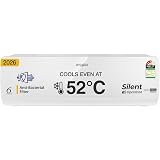
Whirlpool 1.5 Ton 3 Star, New star rated, Magicool Inverter Split AC (MAGICOOL 15T 3S INV CNV S6K2PP0, Copper, Convertible 4-in-1 Cooling Mode, HD Filter White)
₹34,140.00 (as of September 22, 2026 01:27 GMT +05:30 - More infoProduct prices and availability are accurate as of the date/time indicated and are subject to change. Any price and availability information displayed on [relevant Amazon Site(s), as applicable] at the time of purchase will apply to the purchase of this product.)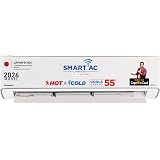
Panasonic 2.0 Ton 3 Star, New star rated, Hot & Cold Wi-Fi Inverter Smart Split AC (Matter/MirAIe, AI, -10~55°C Oper., Copper Condenser, 8in1 Convertible, 4-Way, PM 0.1 Filter, CS/CU-EZ24CKYFM,White)
₹58,990.00 (as of September 22, 2026 01:27 GMT +05:30 - More infoProduct prices and availability are accurate as of the date/time indicated and are subject to change. Any price and availability information displayed on [relevant Amazon Site(s), as applicable] at the time of purchase will apply to the purchase of this product.)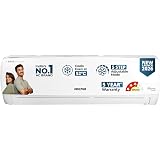
Voltas 1 Ton 3 Star Rating Inverter Split AC(Copper, Memory Restart, Auto Clean (123INV VECTRA ELEGANT, White)
₹30,990.00 (as of September 22, 2026 01:27 GMT +05:30 - More infoProduct prices and availability are accurate as of the date/time indicated and are subject to change. Any price and availability information displayed on [relevant Amazon Site(s), as applicable] at the time of purchase will apply to the purchase of this product.)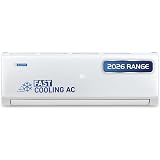
Blue Star 1.5 Ton 3 Star, New Star Rated, Inverter Split AC (Copper,4-Way Swing, DigiQ Hepta Sensor, Blue Fins,Turbo Cool, Comfort Sleep (IA317PXU, White))
₹34,990.00 (as of September 22, 2026 01:27 GMT +05:30 - More infoProduct prices and availability are accurate as of the date/time indicated and are subject to change. Any price and availability information displayed on [relevant Amazon Site(s), as applicable] at the time of purchase will apply to the purchase of this product.)