
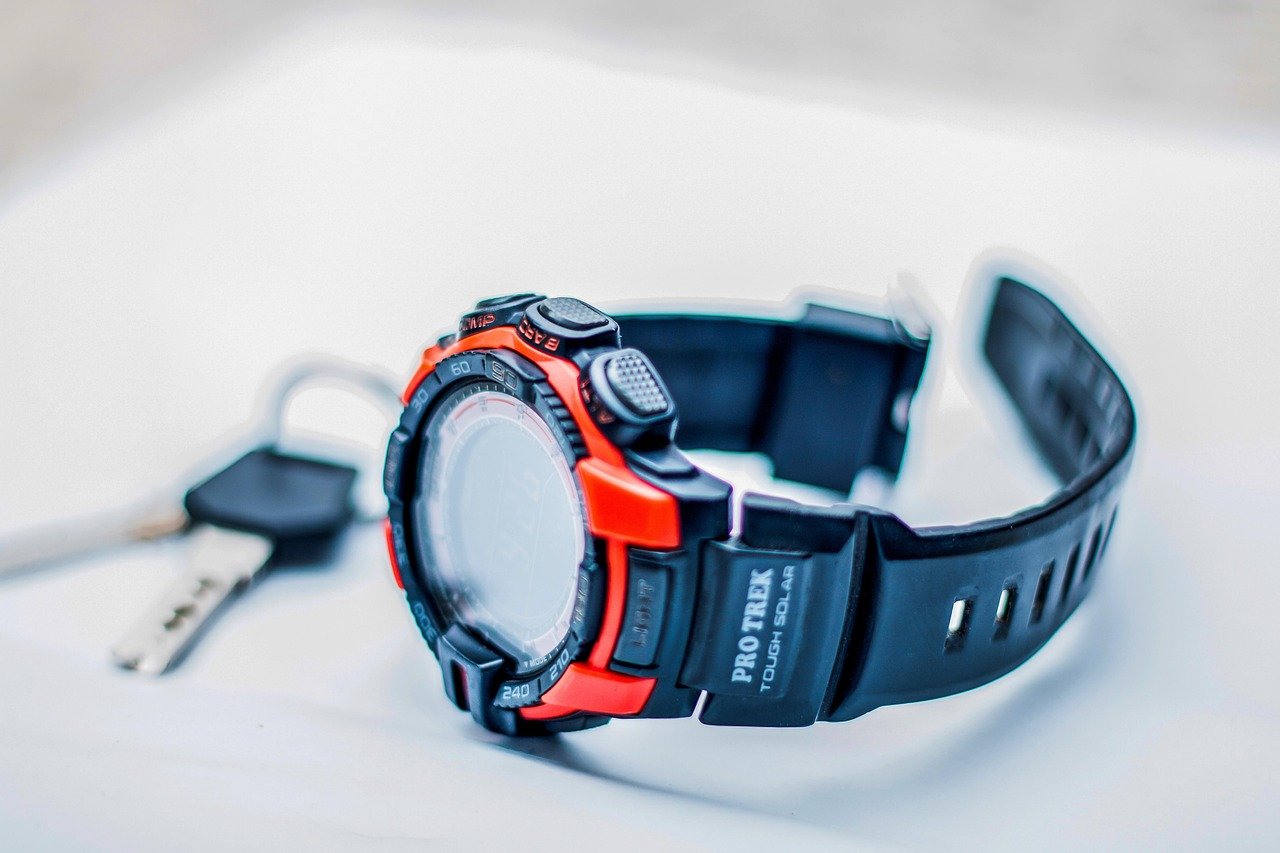
Sports Watches for Triathletes: The Perfect Companion
The triathlon, a grueling test of endurance encompassing swimming, cycling, and running, demands a sophisticated and reliable companion. For the modern triathlete, this companion is unequivocally the sports watch. More than just a timekeeper, these advanced devices have evolved into indispensable tools, meticulously tracking every metric, guiding every training session, and providing critical data during the heat of competition. Selecting the right sports watch can be the difference between hitting personal bests and feeling lost in the data. This deep dive explores the essential features, considerations, and top contenders that make sports watches the perfect companion for triathletes.
Understanding the Triathlete’s Needs: Beyond Basic Timekeeping
A triathlete’s journey is multifaceted, requiring a watch capable of seamlessly transitioning between three distinct disciplines. This necessitates a robust feature set that goes far beyond simple stopwatch functionality.
- Multi-Sport Tracking: The cornerstone of any triathlete’s watch is its ability to track multiple sports profiles. This means dedicated modes for swimming (pool and open water), cycling (indoor and outdoor), and running, each with specific metrics and sensor integration. The watch should allow for easy transitions between these sports during a race, often with a dedicated “transition” mode.
- GPS Accuracy and Reliability: Precise location tracking is paramount for measuring distance, pace, and mapping routes. For triathletes, this is crucial for accurate swim distances in open water, cycling routes, and run segments. High-sensitivity GPS receivers, often supporting multiple satellite systems (GPS, GLONASS, Galileo), ensure accuracy even in challenging environments like dense forests or urban canyons.
- Heart Rate Monitoring: Understanding exertion levels is vital for effective training and race pacing. Advanced watches offer continuous wrist-based heart rate monitoring, providing real-time data and historical trends. For even greater accuracy, especially during intense activities like swimming or cycling where wrist-based HR can be less reliable, compatibility with external chest strap heart rate monitors is a significant advantage.
- Swim Metrics: Swimming requires specialized tracking. Look for watches that can automatically detect stroke type (freestyle, backstroke, breaststroke, butterfly), count strokes, calculate stroke rate, and measure swim efficiency (SWOLF). Open water swim tracking should also include distance, pace, and the ability to map your swim course.
- Cycling Metrics: For cycling, key metrics include speed, distance, cadence (with a compatible sensor), power output (with a compatible power meter), and elevation gain. Integration with cycling computers or smart trainers can further enhance data collection.
- Running Metrics: Beyond basic pace and distance, advanced running metrics include vertical oscillation, ground contact time, stride length, and running power. These insights can help triathletes identify inefficiencies and prevent injuries.
- Training Load and Recovery: A truly advanced sports watch will analyze your training data to provide insights into your training load, suggesting optimal recovery times between sessions. This helps prevent overtraining and ensures you are primed for peak performance.
- Battery Life: Triathlons, especially long-distance events like Ironman, demand extended battery life. A watch that can last through an entire race, including pre-race warm-ups and post-race analysis, is essential. Look for watches with extended GPS modes that prioritize battery conservation without sacrificing critical data.
- Durability and Water Resistance: Triathletes subject their gear to harsh conditions. The watch needs to be robust, shock-resistant, and have a high water resistance rating (typically 10 ATM or higher) to withstand submersion during swimming and sweat during intense workouts.
- Smartwatch Features: While not the primary focus, integrated smartwatch features like smartphone notifications, music control, and contactless payments can enhance convenience both during training and in daily life.
Key Features to Prioritize for Triathletes
When sifting through the plethora of sports watches, certain features stand out as particularly crucial for triathletes:
- Open Water Swim Tracking: This is non-negotiable. The ability to accurately measure distance, pace, and map your route in the open water is a fundamental requirement. Look for watches with advanced GPS algorithms that can compensate for choppy water and the inability to see the watch face clearly.
- Transition Tracking: The “transition” is the fourth discipline of a triathlon. A watch that allows for seamless switching between swim, bike, and run modes, and even tracks transition times, is invaluable for race analysis and improvement.
- Advanced Running Dynamics: For runners looking to shave off precious seconds, understanding running form is key. Metrics like vertical oscillation, ground contact time, and stride length can reveal areas for improvement and help prevent injuries.
- Power Meter Compatibility (Cycling): For serious cyclists, power meters are the gold standard for training and racing. Seamless integration with power meters allows for precise power-based training zones and race strategy.
- Virtual Partner/Racer: This feature allows you to race against a virtual opponent or your previous best performance, providing motivation and a tangible target during training.
- Training Plans and Workouts: Many high-end watches offer pre-loaded training plans or the ability to create and download custom workouts, guiding your training progression.
- Barometric Altimeter: Crucial for accurately measuring elevation gain and loss on cycling and running routes, especially in hilly terrain.
- Alloy or Titanium Bezel and Case: These materials offer superior durability and scratch resistance compared to plastic, essential for the rigors of triathlon training.
Top Contenders in the Triathlete Sports Watch Arena
The market is dominated by a few key players, each offering compelling options for triathletes:
- Garmin: Consistently a leader in the sports watch market, Garmin offers a wide range of triathlete-specific models, most notably the Forerunner series (e.g., Forerunner 955, 965) and the Fenix series (e.g., Fenix 7 Pro, Epix Pro). These watches boast exceptional GPS accuracy, comprehensive multi-sport tracking, advanced training metrics, long battery life, and robust build quality. They are often lauded for their user-friendly interface and extensive ecosystem of compatible sensors and accessories.
- Coros: Coros has rapidly gained traction with its focus on long battery life and advanced performance metrics. Models like the Apex Pro and Vertix 2 are popular among endurance athletes, offering impressive GPS accuracy, robust build, and innovative features like altitude acclimatization training. Their battery life often surpasses that of competitors, making them ideal for ultra-endurance events.
- Polar: Polar has a long-standing reputation for its accurate heart rate monitoring and sophisticated training analysis tools. Their Vantage series (e.g., Vantage V2, Vantage M2) provides excellent multi-sport tracking, recovery insights, and personalized training guidance. Polar’s focus on physiological data makes them a strong choice for triathletes who prioritize in-depth performance analysis.
- Suunto: Known for their durable and rugged designs, Suunto watches (e.g., Suunto Race, Suunto Vertical) are built for extreme conditions. They offer reliable GPS tracking, comprehensive sport profiles, and a focus on outdoor adventure. Their battery life is also a strong selling point, especially for those venturing into remote training locations.
Choosing the Right Watch: A Personal Journey
The “perfect” sports watch is ultimately a personal choice, influenced by individual needs, budget, and preferences.
- Budget: Sports watches for triathletes can range from a few hundred dollars to over a thousand. Determine your budget and prioritize the features that are most important to you.
- Experience Level: A beginner triathlete might not need the most advanced metrics, while an experienced athlete aiming for podium finishes will likely benefit from the deepest data analysis.
- Primary Sport Focus: While all triathletes need multi-sport capabilities, some might have a slight emphasis on one discipline. If you’re a strong swimmer, prioritize swim-specific features. If cycling is your passion, look for robust cycling metrics and power meter integration.
- Ecosystem and Compatibility: Consider the ecosystem of accessories and apps you might want to integrate with. If you already use a specific heart rate monitor or power meter, ensure your chosen watch is compatible.
Investing in a high-quality sports watch is an investment in your triathlon journey. It’s a tool that empowers you with knowledge, guides your training, and provides invaluable data during races, ultimately helping you unlock your full potential and achieve your athletic goals. The right watch is not just an accessory; it’s an extension of the triathlete, a silent, yet powerful, companion on the road to success.