
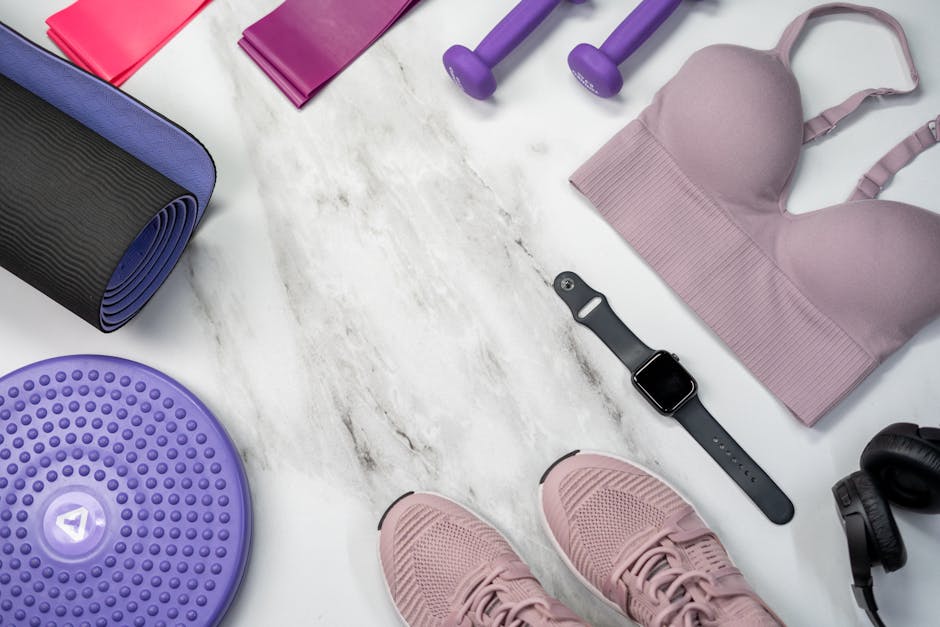
Unlock Peak Performance: How Sleep Tracking Sports Watches Revolutionize Your Recovery
For athletes, the pursuit of peak performance extends far beyond grueling training sessions and meticulous nutrition plans. The often-overlooked cornerstone of athletic success is recovery. Without adequate rest and repair, even the most dedicated training can lead to burnout, injury, and plateaued progress. Enter the sleep tracking sports watch, a powerful tool that is rapidly transforming how athletes understand, manage, and optimize their recovery. These sophisticated wearables go beyond simply counting steps; they delve into the intricate physiological processes that occur during sleep, providing actionable insights to unlock your body’s full potential.
The fundamental principle behind sleep tracking sports watches lies in their ability to monitor various biometric signals throughout the night. Sophisticated sensors, including accelerometers, gyroscopes, and optical heart rate monitors, work in concert to capture data such as:
- Movement: Detects tossing and turning, indicating restlessness or periods of lighter sleep.
- Heart Rate: Tracks resting heart rate and heart rate variability (HRV), key indicators of autonomic nervous system activity and recovery status.
- Breathing Rate: Monitors respiration patterns, which can reveal sleep disturbances or changes in physiological state.
- Blood Oxygen Saturation (SpO2): Some advanced models measure oxygen levels in the blood, which can identify potential sleep apnea or other respiratory issues.
This raw data is then processed by algorithms to provide a comprehensive breakdown of your sleep architecture. The most crucial stages tracked are:
- Light Sleep: The transition phase between wakefulness and deeper sleep.
- Deep Sleep (Slow-Wave Sleep): The most restorative stage, crucial for physical repair, muscle growth, and hormone regulation. This is where your body releases growth hormone, essential for tissue regeneration.
- REM Sleep (Rapid Eye Movement): Characterized by vivid dreams, this stage is vital for cognitive function, memory consolidation, and emotional processing. It plays a role in learning new skills and adapting to training stimuli.
By analyzing the duration and quality of these sleep stages, your sports watch can provide a sleep score, a digestible metric that quantifies your overall sleep effectiveness. This score is not just a number; it’s a powerful indicator of how well your body is recovering from the demands placed upon it.
The true value of a sleep tracking sports watch lies in its ability to translate this data into actionable recovery insights. Instead of guessing how you feel, you have objective data to guide your decisions. Here’s how these devices empower athletes to improve their recovery:
1. Identifying Sleep Deficits and Patterns:
Many athletes, particularly those with demanding training schedules, often underestimate their sleep needs. A sleep tracker can vividly illustrate consistent sleep deprivation, revealing patterns like insufficient duration or a lack of deep and REM sleep. This objective evidence can be a powerful motivator to prioritize sleep hygiene and make necessary adjustments. For example, if your watch consistently shows low deep sleep, it might indicate that your late-night caffeine intake or exposure to blue light from screens is interfering with this crucial restorative phase.
2. Optimizing Training Load and Intensity:
Perhaps the most impactful application of sleep tracking data for athletes is its role in training load management. Many modern sports watches integrate sleep data with other physiological metrics, such as resting heart rate and HRV, to provide a daily readiness or recovery score. This score acts as a personalized gauge of your body’s ability to withstand physical stress.
- High Readiness: Indicates your body has recovered well and is primed for a demanding training session.
- Moderate Readiness: Suggests a moderate intensity workout is appropriate, or a lighter session followed by focused recovery.
- Low Readiness: Signals that your body needs more rest. Pushing hard on a day of low readiness significantly increases the risk of overtraining, injury, and decreased performance.
By listening to your watch’s readiness score, you can make informed decisions about whether to push your limits or dial back the intensity. This proactive approach prevents the cumulative fatigue that leads to burnout. For instance, a runner consistently seeing low readiness scores might need to reassess their training volume, incorporate more rest days, or address underlying recovery blockers.
3. Enhancing Sleep Quality Through Behavioral Adjustments:
Sleep tracking watches provide invaluable feedback on the effectiveness of your sleep hygiene practices. By observing how different habits impact your sleep stages and overall score, you can fine-tune your pre-sleep routine.
- Consistent Bedtime and Wake-up Time: Tracking your sleep can highlight the benefits of a regular sleep schedule, even on weekends.
- Environmental Factors: Observing sleep quality after changes in your bedroom environment, such as temperature, light, or noise levels, can reveal what works best for you.
- Diet and Hydration: Noticing how late-night meals or alcohol consumption affect your sleep can prompt healthier dietary choices.
- Pre-Sleep Activities: Understanding how screen time, exercise close to bedtime, or stress impacts your sleep can lead to more mindful evening routines. For example, if your watch shows fragmented sleep after an intense late-night workout, you might consider shifting your training earlier in the day.
4. Monitoring and Preventing Overtraining Syndrome (OTS):
Overtraining syndrome is a serious condition characterized by a persistent decline in performance, increased fatigue, mood disturbances, and a weakened immune system. Sleep disturbances are a hallmark symptom of OTS. By diligently tracking your sleep patterns over extended periods, a sports watch can help you identify early warning signs of overtraining. A sustained decline in sleep quality, consistently low sleep scores, and a prolonged inability to achieve deep and REM sleep can all be indicators that you are pushing your body too hard and need to implement a more rigorous recovery strategy.
5. Personalized Recovery Strategies:
The data generated by sleep tracking sports watches allows for a highly personalized approach to recovery. What works for one athlete may not work for another. By analyzing your individual sleep patterns and how they respond to different recovery modalities, you can tailor your strategies for optimal results.
- Active Recovery: Observing sleep quality after light exercise on rest days can help determine the optimal duration and intensity of active recovery for you.
- Stress Management Techniques: Tracking sleep after practicing mindfulness, meditation, or deep breathing exercises can reveal their effectiveness in improving sleep quality.
- Supplementation: While not a primary function, some athletes use sleep data in conjunction with tracking the impact of specific supplements on their sleep quality and overall recovery.
6. Injury Prevention and Rehabilitation:
Adequate sleep is paramount for tissue repair and regeneration, making it a critical component of both injury prevention and rehabilitation. By ensuring you are getting sufficient high-quality sleep, you are giving your body the best possible chance to heal and rebuild. If you are recovering from an injury, your sleep tracker can help monitor your progress. Improved sleep quality and duration can be an early indicator that your body is healing effectively. Conversely, persistent sleep disturbances during rehabilitation could signal underlying issues or a need to adjust your recovery plan.
7. Understanding the Nuances of Sleep Cycles:
Modern sports watches go beyond simply reporting total sleep time. They aim to quantify the percentage of time spent in each sleep stage. Understanding these percentages can be highly informative. For example, a significant decrease in REM sleep might impact cognitive function and learning, while a lack of deep sleep can hinder physical recovery and muscle growth. By seeing these breakdowns, athletes can identify which aspects of their sleep require the most attention.
8. Motivation and Accountability:
The visual representation of sleep data, often presented in clear graphs and charts, can be a powerful motivator. Seeing your progress over time, or conversely, recognizing when your sleep quality dips, can provide the accountability needed to make positive changes. Achieving consistently high sleep scores can be as rewarding as hitting a personal best in training, fostering a holistic approach to athletic development.
9. Integrating with Other Health Metrics:
The true power of many modern sports watches lies in their ability to integrate sleep data with other physiological metrics like heart rate, HRV, and activity levels. This holistic view provides a more comprehensive understanding of your body’s overall state. For instance, a high resting heart rate combined with poor sleep quality and low HRV on a given morning is a strong signal to prioritize rest and avoid strenuous activity.
10. Long-Term Performance Trends:
By consistently tracking your sleep over weeks, months, and even years, you can identify long-term trends in your recovery patterns. This longitudinal data can be invaluable for understanding how your training load, lifestyle, and even seasonal changes impact your sleep and, consequently, your athletic performance. It allows for a more strategic approach to periodization and long-term athletic development.
In conclusion, sleep tracking sports watches are no longer a niche gadget for the tech-savvy athlete. They are an indispensable tool for anyone serious about optimizing their recovery, preventing injuries, and unlocking their true athletic potential. By providing objective data and actionable insights into the often-mysterious world of sleep, these devices empower athletes to train smarter, recover more effectively, and ultimately, perform at their absolute best. The future of athletic performance is inextricably linked to the quality of our sleep, and sleep tracking sports watches are the key to unlocking that vital connection.