
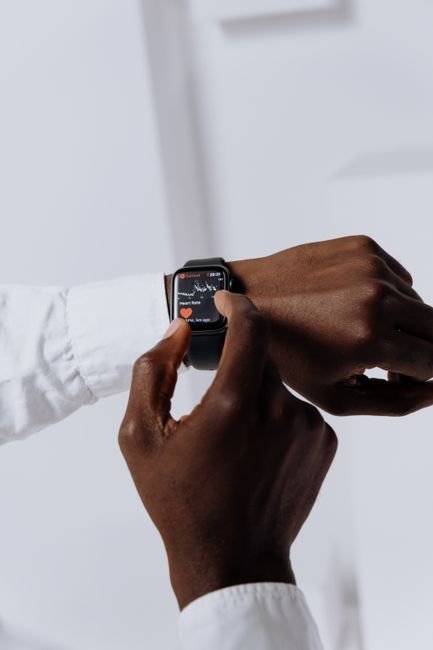
Smartwatch Heart Rate & BP Monitor: Your Health on Your Wrist
The relentless march of technology has placed unprecedented power and insight directly onto our wrists. Gone are the days when smartwatches were mere timekeeping devices with basic notification capabilities. Today, they have evolved into sophisticated personal health hubs, with advanced sensors capable of continuously monitoring vital physiological data. Among the most impactful of these advancements are integrated heart rate and blood pressure monitoring capabilities, transforming these wearable devices into indispensable tools for proactive health management. This article delves deep into the capabilities, benefits, and considerations of smartwatches that offer heart rate and blood pressure monitoring, empowering you with the knowledge to leverage this technology for a healthier life.
Understanding the Technology: How Smartwatches Track Your Vitals
The ability of smartwatches to monitor heart rate and blood pressure is rooted in sophisticated sensor technology and intricate algorithms.
Heart Rate Monitoring: The most prevalent method for heart rate tracking in smartwatches is photoplethysmography (PPG). This technique utilizes light-emitting diodes (LEDs) to shine green light onto your skin. As blood flows through your capillaries, it absorbs and reflects this light. The smartwatch’s optical sensor detects these subtle changes in light reflection. During a heartbeat, blood volume increases, absorbing more light and causing less light to be reflected back to the sensor. Conversely, between beats, blood volume decreases, allowing more light to be reflected. By analyzing the pattern and frequency of these light fluctuations, the smartwatch can accurately calculate your heart rate in beats per minute (BPM). More advanced PPG sensors can also detect variations in blood flow, providing insights into heart rate variability (HRV), a crucial indicator of stress and recovery.
Blood Pressure Monitoring: Blood pressure monitoring in smartwatches is a more recent and rapidly evolving innovation. Several approaches are being employed, with the most common ones including:
-
Optical (PPG-based) Estimation: Similar to heart rate monitoring, some smartwatches leverage PPG sensors to estimate blood pressure. This method relies on analyzing the pulse wave transit time (PWTT) – the time it takes for a pulse wave to travel from the heart to a peripheral point (like the wrist). Factors like artery stiffness, which is influenced by blood pressure, affect this transit time. By correlating PWTT with established blood pressure readings (often obtained through calibration with a traditional cuff-based device), the smartwatch can provide an estimated BP. It’s crucial to understand that these are estimations and not direct measurements in the same way a traditional cuff provides.
-
Electrodermal Activity (EDA) Sensors: Some newer smartwatches incorporate EDA sensors, which measure changes in the electrical conductivity of the skin. These changes can be influenced by blood vessel dilation and constriction, which are directly related to blood pressure. By analyzing these electrical signals, combined with other physiological data, the smartwatch can infer blood pressure trends.
-
Cuff-based Inflation (Emerging Technology): While less common in mainstream consumer smartwatches currently, some high-end models are beginning to integrate miniature, inflatable cuffs into the watch strap. These devices function much like traditional blood pressure monitors, inflating and deflating to take oscillometric measurements. This offers a more direct and potentially more accurate measurement but adds bulk and complexity to the device.
The Unparalleled Benefits of Wrist-Based Health Monitoring
The integration of heart rate and blood pressure monitoring into smartwatches offers a wealth of benefits for individuals seeking to take control of their health:
-
Continuous and Proactive Health Tracking: Unlike sporadic doctor visits or manual logging, smartwatches provide continuous, real-time data. This allows for the identification of subtle trends and anomalies that might otherwise go unnoticed. You can track your resting heart rate over time, monitor your blood pressure during different activities, and understand how lifestyle factors impact these vital signs.
-
Early Detection of Potential Health Issues: Consistent monitoring can flag deviations from your personal baseline. An unusually high or low heart rate, or a persistent rise in blood pressure, could be early indicators of underlying cardiovascular issues, stress, or other health concerns. This early detection allows for timely consultation with a healthcare professional, potentially preventing more serious complications.
-
Personalized Fitness and Training Insights: For fitness enthusiasts, heart rate monitoring is invaluable. It allows for training in specific heart rate zones, optimizing fat burning, cardiovascular endurance, and recovery. Blood pressure data can also offer insights into how your body responds to exercise, helping to tailor your training regimen for maximum effectiveness and safety.
-
Stress Management and Mental Well-being: Heart rate variability (HRV), often derived from heart rate data, is a powerful indicator of your body’s stress response. By tracking HRV, smartwatches can help you identify periods of high stress and implement relaxation techniques. Similarly, understanding how your blood pressure fluctuates throughout the day can highlight stress triggers and inform stress-reduction strategies.
-
Improved Sleep Quality: Many smartwatches track sleep patterns, including heart rate during sleep. This data can reveal disruptions in your sleep cycle, identify potential sleep apnea indicators (though not a diagnostic tool), and help you understand how sleep impacts your overall cardiovascular health.
-
Empowerment and Motivation: Having your health data readily accessible on your wrist provides a tangible connection to your well-being. This can be incredibly motivating, encouraging healthier lifestyle choices, regular exercise, and adherence to medical advice.
-
Convenience and Accessibility: The sheer convenience of having these monitoring capabilities integrated into a device you wear daily cannot be overstated. It eliminates the need for separate devices and makes health tracking a seamless part of your routine.
Key Features to Look For in a Smartwatch Heart Rate & BP Monitor
When selecting a smartwatch with these advanced health features, consider the following:
-
Accuracy and Certification: While consumer-grade devices are improving, accuracy can vary. Look for smartwatches that have undergone rigorous testing and, where applicable, have received certifications from relevant health organizations. For blood pressure monitoring, understand the technology used (estimation vs. direct measurement) and its limitations.
-
Continuous vs. On-Demand Monitoring: Some smartwatches offer continuous heart rate tracking, while others provide on-demand readings. Continuous monitoring offers a more comprehensive picture. For blood pressure, both continuous estimation and on-demand readings are available.
-
Data Visualization and Analysis: The smartwatch should present your data in an easily understandable format, often through companion smartphone apps. Look for features like trend graphs, historical data, and personalized insights.
-
Companion App Functionality: The accompanying app is crucial for deeper analysis, historical data storage, and integration with other health platforms. Features like goal setting, personalized recommendations, and exportable reports are highly beneficial.
-
Battery Life: Continuous monitoring, especially for blood pressure, can impact battery life. Consider how often you’re willing to charge your device.
-
Comfort and Design: Since you’ll be wearing it constantly, comfort, style, and durability are important factors.
-
Additional Health Metrics: Many smartwatches offer a suite of other health tracking features, such as SpO2 (blood oxygen) monitoring, ECG (electrocardiogram) capabilities, sleep tracking, and activity tracking. Consider how these integrate with heart rate and BP monitoring.
Navigating the Nuances: Important Considerations and Limitations
While smartwatches offer incredible health insights, it’s vital to approach this technology with a balanced perspective and understand its limitations:
-
Not a Medical Device for Diagnosis: It’s crucial to reiterate that most consumer smartwatches are not medical-grade diagnostic devices. They provide valuable data and insights, but any health concerns or abnormal readings should always be discussed with a qualified healthcare professional. They cannot replace a doctor’s diagnosis or a professional medical examination.
-
Blood Pressure Estimation Accuracy: As mentioned, many smartwatches estimate blood pressure rather than directly measuring it. The accuracy of these estimations can be influenced by various factors, including skin temperature, hydration levels, movement, and individual physiological characteristics. Regular calibration with a traditional cuff-based monitor is often recommended to ensure the best possible accuracy.
-
Interference and External Factors: Factors like excessive movement during readings, tight watch bands, extreme temperatures, and certain skin conditions can potentially affect the accuracy of both heart rate and blood pressure readings.
-
Data Privacy and Security: Be mindful of the data privacy policies of the smartwatch manufacturer and the companion app. Ensure your health data is stored securely and used responsibly.
-
Over-Reliance and Anxiety: While empowering, it’s important not to become overly reliant on or anxious about the data provided. Focus on trends and general well-being rather than fixating on minor fluctuations.
-
Regulatory Approvals: The regulatory landscape for smartwatch health features is evolving. Some features, particularly those claiming to measure blood pressure, may have different levels of regulatory approval in different regions.
Integrating Smartwatch Data into Your Health Journey
To maximize the benefits of your smartwatch’s heart rate and blood pressure monitoring capabilities:
-
Establish a Baseline: Wear your smartwatch consistently for a period to establish your personal baseline heart rate and blood pressure ranges during rest and activity.
-
Regularly Review Your Data: Make it a habit to check your health data regularly through the companion app. Look for trends and patterns over time.
-
Communicate with Your Doctor: Share your smartwatch data with your healthcare provider. This can provide valuable context for discussions about your cardiovascular health, lifestyle, and any treatment plans.
-
Use Data to Inform Lifestyle Changes: If you notice elevated blood pressure or heart rate during stressful periods, use this information to implement stress-management techniques. If your resting heart rate is consistently high, it might be a prompt to increase your physical activity.
-
Understand Your Triggers: Pay attention to what activities, foods