
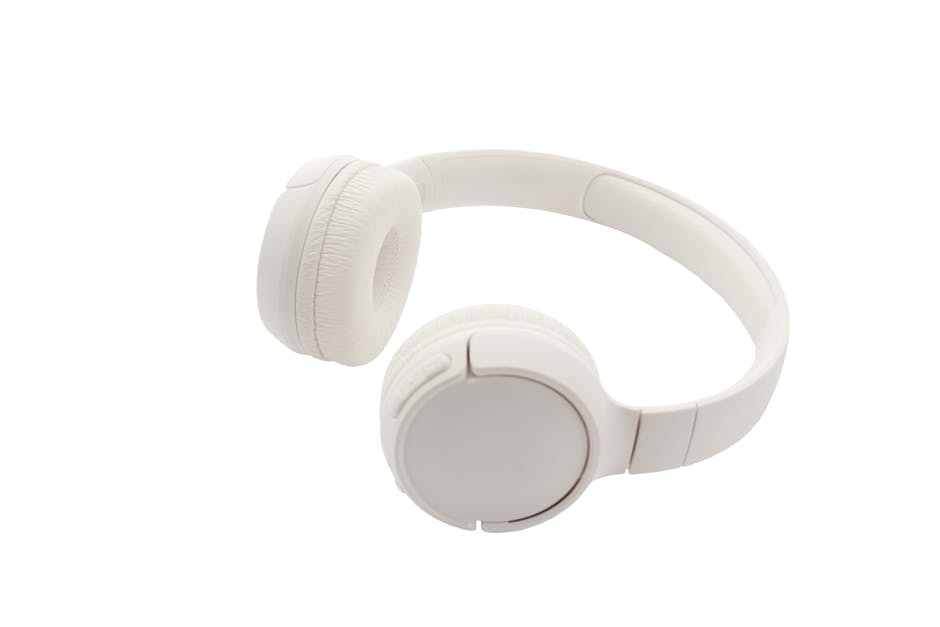
The world of audio has been revolutionized by the advent of wireless headphones. Gone are the days of tangled cords and restricted movement. Today, a vast array of wireless options cater to every listener, from the audiophile seeking pristine sound to the commuter needing reliable noise cancellation. Navigating this landscape can feel overwhelming, but with a clear understanding of key features and your personal needs, you can find the perfect pair to liberate your listening experience. This comprehensive guide will equip you with the knowledge to make an informed decision, ensuring you invest in wireless headphones that deliver exceptional sound, comfort, and convenience.
Understanding the Core Technologies: Bluetooth and Beyond
At the heart of wireless audio lies Bluetooth technology. This ubiquitous wireless communication protocol allows devices to connect and exchange data over short distances. For headphones, this means seamless pairing with your smartphone, tablet, laptop, or smart TV without the need for physical cables.
However, not all Bluetooth is created equal. Several Bluetooth codecs dictate how audio data is compressed and transmitted, directly impacting sound quality and latency (the delay between audio and video). Understanding these codecs is crucial for discerning listeners:
- SBC (Subband Coding): The mandatory, baseline codec for all Bluetooth audio devices. It offers decent sound quality but is the least efficient and can introduce noticeable compression artifacts. Most budget-friendly headphones will rely solely on SBC.
- AAC (Advanced Audio Coding): Widely adopted by Apple devices (iPhones, iPads, Macs), AAC offers better sound quality than SBC with more efficient compression. If you’re an Apple user, headphones supporting AAC will generally provide a superior experience.
- aptX (and its variants: aptX HD, aptX Adaptive): Developed by Qualcomm, aptX codecs are renowned for their near CD-quality audio and lower latency.
- aptX: Offers a significant improvement over SBC, providing clearer audio with less compression.
- aptX HD: Delivers even higher fidelity audio, supporting 24-bit/48kHz resolution, ideal for audiophiles.
- aptX Adaptive: Dynamically adjusts audio quality based on your environment and Bluetooth signal strength, ensuring stable, low-latency playback and optimal sound. This is an excellent choice for gaming and watching videos.
- LDAC (Low Delay Audio Codec): Developed by Sony, LDAC is a high-resolution audio codec that can transmit audio at up to 990kbps, offering the highest potential for uncompromised sound quality. It’s primarily found on Sony headphones and devices.
- LHDC (Low Latency High-Definition Audio Codec): Another high-resolution codec, similar in capability to LDAC, often found on devices from manufacturers like Huawei and Xiaomi.
Key Considerations for Your Wireless Headphone Purchase:
1. Form Factor: Finding Your Perfect Fit
The design of wireless headphones significantly impacts comfort, portability, and sound isolation. The three primary categories are:
- Over-Ear Headphones: These fully enclose your ears, providing excellent passive noise isolation and often the most comfortable fit for extended listening sessions. They typically offer the best sound quality due to larger drivers and better acoustics. However, they can be bulkier.
- Circumaural: These completely surround your ears.
- Supra-aural: These rest on your ears.
- On-Ear Headphones: These rest directly on your ears. They offer a more compact design than over-ear models but may not provide as much passive noise isolation or comfort for prolonged use.
- In-Ear Headphones (Earbuds): These fit inside your ear canal, offering the most portable and discreet option. They can provide excellent noise isolation when fitted correctly with the right ear tips. True wireless earbuds, with no connecting cable between the earpieces, offer the ultimate freedom.
2. Active Noise Cancellation (ANC): Your Sanctuary from Sound
For commuters, frequent flyers, or anyone seeking peace in noisy environments, Active Noise Cancellation (ANC) is a game-changer. ANC technology uses microphones to detect ambient noise and then generates an opposing sound wave to effectively cancel it out.
- Levels of ANC: Some headphones offer adjustable ANC levels, allowing you to fine-tune the amount of noise reduction.
- Transparency/Ambient Mode: Conversely, many ANC headphones feature a transparency mode that amplifies external sounds, allowing you to hear your surroundings without removing your headphones – ideal for conversations or staying aware of traffic.
- Effectiveness: ANC performance varies significantly between models. Higher-end headphones generally offer more effective and nuanced noise cancellation.
3. Sound Quality: The Heart of the Experience
While Bluetooth codecs play a role, the driver size and material, acoustic design, and tuning of the headphones are paramount to sound quality.
- Driver Size: Larger drivers (typically 40mm or more in over-ear headphones) generally produce a fuller, more powerful sound with better bass response. Smaller drivers are common in earbuds.
- Frequency Response: This indicates the range of frequencies a headphone can reproduce. A wider frequency response generally leads to a more detailed and natural sound. Look for a balanced response across bass, mids, and treble for a versatile listening experience.
- Tuning: This refers to how the manufacturer has EQ’d the headphones. Some prefer a bass-heavy sound, while others aim for a neutral, analytical profile. Reading reviews that describe the sound signature is essential.
- High-Resolution Audio Support: If you’re an audiophile who listens to high-resolution audio files, ensure your headphones and source device support codecs like LDAC, LHDC, or aptX HD.
4. Battery Life and Charging: Powering Your Day
Wireless headphones are only as good as their battery. Consider your typical usage patterns:
- Playback Time: Manufacturers usually quote playback time with and without ANC enabled. Aim for at least 20-30 hours of playback for over-ear headphones, and 5-8 hours for true wireless earbuds, with their charging cases providing multiple additional charges.
- Quick Charging: Many headphones offer quick charging, providing several hours of playback from just a few minutes of charging.
- Charging Port: USB-C is the current standard and offers faster charging. Some premium models also support wireless charging.
5. Comfort and Fit: For Extended Listening Sessions
Headphones are an extension of your body, so comfort is non-negotiable.
- Over-Ear/On-Ear: Look for plush earcups made from materials like memory foam or protein leather. Adjustable headbands and swivel earcups ensure a secure and comfortable fit.
- In-Ear: The fit is crucial for both comfort and sound isolation. Most true wireless earbuds come with multiple sizes of silicone or foam ear tips. Experiment to find the best seal for your ears. Some higher-end models offer custom-molded ear tips.
- Weight: Lighter headphones are generally more comfortable for extended wear.
6. Connectivity and Features: Enhancing Your Experience
Beyond basic Bluetooth, a host of features can elevate your wireless headphone experience.
- Multipoint Connectivity: This allows your headphones to connect to two devices simultaneously, seamlessly switching between your phone and laptop, for example.
- Voice Assistant Integration: Built-in support for Google Assistant, Amazon Alexa, or Siri allows for hands-free control of your devices.
- Companion App: Many brands offer dedicated apps that allow you to customize EQ settings, ANC levels, firmware updates, and button assignments.
- Water and Sweat Resistance (IP Rating): Essential for athletes or those who use headphones in potentially wet conditions. An IPX4 rating is generally sufficient for sweat resistance, while higher ratings indicate better protection against water.
- Wear Detection: Some headphones automatically pause playback when you remove them and resume when you put them back on.
- Low Latency Mode: Crucial for gamers and video watchers, this mode minimizes audio delay.
7. Durability and Build Quality: Investing in Longevity
Consider the materials used and the overall construction. Premium headphones often employ more robust materials like metal alloys and high-quality plastics, contributing to their longevity. Look for solid hinges and secure connections.
8. Price and Budget: Finding Value for Your Money
Wireless headphones span a wide price spectrum. Set a budget and prioritize the features that are most important to you.
- Budget-Friendly (< $100): You’ll find decent sound and basic features, often relying on SBC or AAC codecs. ANC is rare at this price point.
- Mid-Range ($100 – $250): Expect improved sound quality, better ANC, longer battery life, and support for more advanced codecs like aptX.
- Premium ($250+): These headphones offer top-tier sound quality, sophisticated ANC, premium build materials, advanced features, and support for high-resolution codecs.
Making Your Choice: A Step-by-Step Approach
- Identify Your Primary Use Case: Are you a traveler, a gamer, a fitness enthusiast, or an everyday listener? This will dictate your priorities.
- Determine Your Preferred Form Factor: Over-ear, on-ear, or in-ear?
- Prioritize Key Features: What’s non-negotiable? ANC, sound quality, battery life, or a specific codec?
Spigen Audio Newly Launched SA-HP P10 Wireless Over Ear Headphones with 60H Playtime, Upto 43dB Multi-Mode Adaptive ANC Pro, EQ Customizing App, 5-MIC, Gaming Mode, 40mm Driver - Black
₹2,699.00 (as of July 17, 2026 15:30 GMT +05:30 - More infoProduct prices and availability are accurate as of the date/time indicated and are subject to change. Any price and availability information displayed on [relevant Amazon Site(s), as applicable] at the time of purchase will apply to the purchase of this product.)
Wireless Bluetooth Over-Ear Headphones, Pink | Over-Ear Cushioned Pads, Built-in Controls, Foldable Design, Mesh Headband, Wireless Connectivity
₹345.00 (as of July 17, 2026 15:30 GMT +05:30 - More infoProduct prices and availability are accurate as of the date/time indicated and are subject to change. Any price and availability information displayed on [relevant Amazon Site(s), as applicable] at the time of purchase will apply to the purchase of this product.)
Geonix Audicle Air Wireless Over-Ear Headphones – 70Hrs Playtime, Bluetooth 5.4 + AUX Dual Mode, Dual Device Pairing, Type-C Fast Charging, Comfortable Over Ear Headset (Black)
₹809.00 (as of July 17, 2026 15:30 GMT +05:30 - More infoProduct prices and availability are accurate as of the date/time indicated and are subject to change. Any price and availability information displayed on [relevant Amazon Site(s), as applicable] at the time of purchase will apply to the purchase of this product.)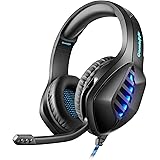
Cosmic Byte GS430 Gaming wired over ear Headphone, 7 Color RGB LED and Microphone
₹899.00 (as of July 17, 2026 15:30 GMT +05:30 - More infoProduct prices and availability are accurate as of the date/time indicated and are subject to change. Any price and availability information displayed on [relevant Amazon Site(s), as applicable] at the time of purchase will apply to the purchase of this product.)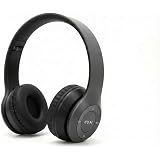
MOBIXONE P47 Wireless Bluetooth Headphones with Microphone, Foldable Over-Ear Headset, TF Card & AUX Support, FM Radio, Compatible with iPhone, Android & Tablets (Black)
₹299.00 (as of July 17, 2026 15:30 GMT +05:30 - More infoProduct prices and availability are accurate as of the date/time indicated and are subject to change. Any price and availability information displayed on [relevant Amazon Site(s), as applicable] at the time of purchase will apply to the purchase of this product.)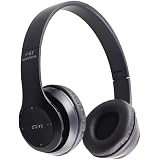
YIXU Wireless Bluetooth Over Ear Headphones with Mic Adjustable Headband Stereo Headset Deep Bass & Memory Card Support
₹299.00 (as of July 17, 2026 15:30 GMT +05:30 - More infoProduct prices and availability are accurate as of the date/time indicated and are subject to change. Any price and availability information displayed on [relevant Amazon Site(s), as applicable] at the time of purchase will apply to the purchase of this product.)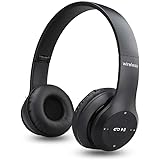
INVICTO K47 Wireless Bluetooth Headphones Over Ear with Mic (Black)
₹395.00 (as of July 17, 2026 15:30 GMT +05:30 - More infoProduct prices and availability are accurate as of the date/time indicated and are subject to change. Any price and availability information displayed on [relevant Amazon Site(s), as applicable] at the time of purchase will apply to the purchase of this product.)
Boat 2025 Launch Rockerz Prime 415, 360 Spatial Audio, 120H Battery, 40mm Drivers, AI-ENx Tech, Beast Mode, ASAP Charge & App Support, Bluetooth Headphones, Wireless Headphone with Mic (Black Sabre)
₹1,899.00 (as of July 17, 2026 15:30 GMT +05:30 - More infoProduct prices and availability are accurate as of the date/time indicated and are subject to change. Any price and availability information displayed on [relevant Amazon Site(s), as applicable] at the time of purchase will apply to the purchase of this product.)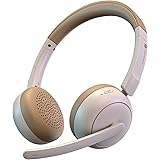
Portronics Muffs A3 On Ear Headphone with Inbuilt Flexible Boom Mic & Dual ENC Technology, Upto 50 Hours Playtime, Deep Bass, Bluetooth Version 6.0, 40mm Dynamics Driver, Type C Fast Charging(Beige)
₹1,399.00 (as of July 17, 2026 15:30 GMT +05:30 - More infoProduct prices and availability are accurate as of the date/time indicated and are subject to change. Any price and availability information displayed on [relevant Amazon Site(s), as applicable] at the time of purchase will apply to the purchase of this product.)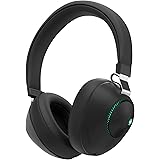
Zebronics Duke (2026 Upgrade) Wireless Headphone, BT v5.3, Upto 60 hrs Playback, 40mm Drivers, Deep Bass, ENC, Gaming Mode, Dual Pairing, LED Lights, Media/Volume Control, Call Function (Black)
₹959.00 (as of July 17, 2026 15:30 GMT +05:30 - More infoProduct prices and availability are accurate as of the date/time indicated and are subject to change. Any price and availability information displayed on [relevant Amazon Site(s), as applicable] at the time of purchase will apply to the purchase of this product.)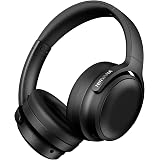
boAt Nirvana Eutopia 2 ANC, (~45dB) Adaptive Hybrid ANC, 80H Playtime, 3D Spatial Audio, Dual Drivers, Hi-Res Ldac, ASAP™ Charge, AI-ENx™ and Adaptive Fit Wireless Bluetooth Headphones (Cosmic Black)
₹5,999.00 (as of July 17, 2026 15:30 GMT +05:30 - More infoProduct prices and availability are accurate as of the date/time indicated and are subject to change. Any price and availability information displayed on [relevant Amazon Site(s), as applicable] at the time of purchase will apply to the purchase of this product.)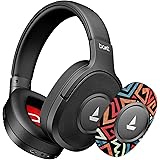
boAt Rockerz Plus 550, Customizable Earcups, 100H Battery, 50mm Drivers, Dual Pair, Stream Ad Free Music via App Support, Bluetooth Headphones, Wireless Headphone with Mic (Black Psyche)
₹1,999.00 (as of July 17, 2026 15:30 GMT +05:30 - More infoProduct prices and availability are accurate as of the date/time indicated and are subject to change. Any price and availability information displayed on [relevant Amazon Site(s), as applicable] at the time of purchase will apply to the purchase of this product.)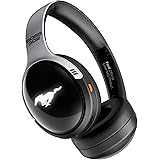
GOBOULT Mustang Thunder Bluetooth Headphones with Upto 70H Playtime, BoomX Technology, Brightness LEDs, 40mm Driver, Zen ENC Mic, BTv 5.4, Type-C Fast Charging, Over Ear Wireless Headphone with Mic
₹2,999.00 (as of July 17, 2026 15:30 GMT +05:30 - More infoProduct prices and availability are accurate as of the date/time indicated and are subject to change. Any price and availability information displayed on [relevant Amazon Site(s), as applicable] at the time of purchase will apply to the purchase of this product.)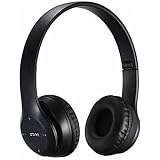
PopPlop Wireless Bluetooth Headphones with AUX Support | Comfortable Ear Pads | Over-Ear Foldable Headset with Mic | Compatible with Mobile, Laptop, Tablet | Black
₹299.00 (as of July 17, 2026 15:30 GMT +05:30 - More infoProduct prices and availability are accurate as of the date/time indicated and are subject to change. Any price and availability information displayed on [relevant Amazon Site(s), as applicable] at the time of purchase will apply to the purchase of this product.)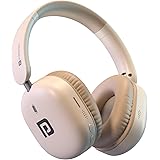
Portronics Muffs M6 Over Ear Wireless Bluetooth Headphone with Upto 40 Hours Playtime, Dual Pairing, 40mm Driver, HD Mic, Bluetooth 5.4V, Foldable Design, Type C Fast Charging (Biege)
₹1,149.00 (as of July 17, 2026 15:30 GMT +05:30 - More infoProduct prices and availability are accurate as of the date/time indicated and are subject to change. Any price and availability information displayed on [relevant Amazon Site(s), as applicable] at the time of purchase will apply to the purchase of this product.)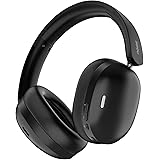
Noise Newly Launched Airwave Max XR Wireless Over-Ear Headphones with 120H Playtime, ANC, HFA Tech, Spatial Audio, Dual Pairing,BT V6.0(Carbon Black)
₹3,499.00 (as of July 17, 2026 15:30 GMT +05:30 - More infoProduct prices and availability are accurate as of the date/time indicated and are subject to change. Any price and availability information displayed on [relevant Amazon Site(s), as applicable] at the time of purchase will apply to the purchase of this product.)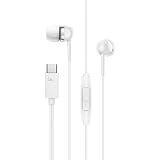
Sennheiser CX 80U Wired in-Ear Earphones with in-Line Microphone, One Button Smart Control, Lightweight Design, USB Type-C, 3 Ear Tip Sizes, 1Y Warranty, Voice Control, White
₹1,790.00 (as of July 17, 2026 15:30 GMT +05:30 - More infoProduct prices and availability are accurate as of the date/time indicated and are subject to change. Any price and availability information displayed on [relevant Amazon Site(s), as applicable] at the time of purchase will apply to the purchase of this product.)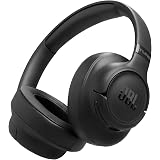
JBL New Launch Tune 780NC Wireless Over Ear Headphones with Adaptive Noise Cancellation, Upto 76 Hrs Battery, Smart Ambient, Spatial Sound, Customized EQ, Google Fast Pair, Dual Pairing, BT 6.0 -Black | 76 hours of battery life, Adaptive Noise Reduction, Bluetooth 6.0, Fast Pair Google and Swift Pair Microsoft, Pure Bass Sound
₹7,999.00 (as of July 17, 2026 15:30 GMT +05:30 - More infoProduct prices and availability are accurate as of the date/time indicated and are subject to change. Any price and availability information displayed on [relevant Amazon Site(s), as applicable] at the time of purchase will apply to the purchase of this product.)
GOBOULT Soniq Over Ear Bluetooth Headphones with 70H Playtime, 40mm Bass Drivers, Zen™ ENC Mic, Type-C Fast Charging, Dual Pairing, AUX, Wireless Headphones (Black)
₹1,999.00 (as of July 17, 2026 15:30 GMT +05:30 - More infoProduct prices and availability are accurate as of the date/time indicated and are subject to change. Any price and availability information displayed on [relevant Amazon Site(s), as applicable] at the time of purchase will apply to the purchase of this product.)
VarniADR Wireless Bluetooth Headphones with Deep Bass Stereo Sound, Foldable Over-Ear Design, Soft Cushioned Earpads & Built-in Mic for Music, Calls, Online Classes & Travel
Now retrieving the price.
(as of July 17, 2026 15:30 GMT +05:30 - More infoProduct prices and availability are accurate as of the date/time indicated and are subject to change. Any price and availability information displayed on [relevant Amazon Site(s), as applicable] at the time of purchase will apply to the purchase of this product.)