
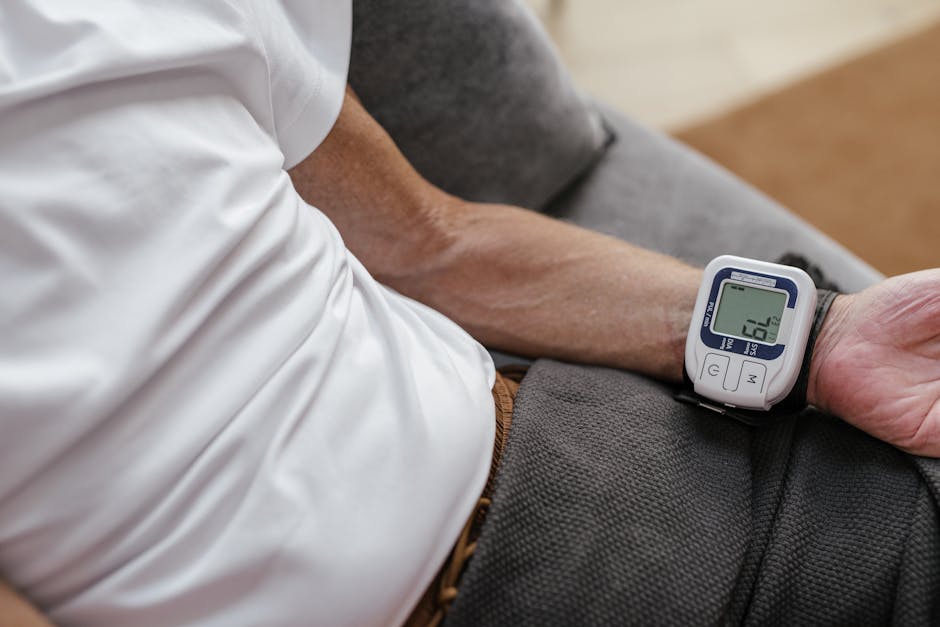
Precision on Your Wrist: Navigating Smartwatch Blood Pressure Tracking Features
The digital revolution has placed an unprecedented level of health monitoring directly onto our wrists. Among the most sought-after advancements in wearable technology is the capability to track blood pressure. This feature, once confined to clinical settings, is rapidly becoming accessible to the everyday user, empowering individuals to take a more proactive role in managing their cardiovascular health. However, not all smartwatch blood pressure trackers are created equal. Navigating the landscape of features requires a discerning eye to ensure you’re investing in a device that offers accuracy, usability, and meaningful insights. This detailed guide will delve into the essential features to look for when choosing a smartwatch for blood pressure tracking, empowering you to make an informed decision.
Accuracy and Validation: The Bedrock of Trust
The paramount consideration for any blood pressure monitoring device, be it a traditional cuff or a smartwatch, is its accuracy. This is not a feature to be taken lightly, as inaccurate readings can lead to unnecessary anxiety or, more dangerously, a false sense of security.
- Clinical Validation and Certification: The most robust indicator of accuracy is independent clinical validation. Look for smartwatches that have undergone testing and received certification from reputable regulatory bodies such as the FDA (Food and Drug Administration) in the United States, CE marking in Europe, or equivalent agencies in other regions. This signifies that the device has met stringent standards for accuracy and reliability. Manufacturers should readily provide this information on their product pages or documentation.
- Measurement Methodology: Understanding how the smartwatch measures blood pressure is crucial. The most common method employed by wearables is oscillometric measurement, similar to traditional cuffs. However, some may utilize photoplethysmography (PPG) sensors, which measure blood volume changes in the wrist. While PPG is innovative, it can be more susceptible to external factors like movement and skin tone. Devices that combine PPG with other sensors or employ sophisticated algorithms to compensate for these variables tend to offer greater accuracy.
- Regular Calibration and Recalibration: Even the most accurate devices can drift over time. High-quality smartwatches will either have a self-calibration mechanism or clearly instruct users on how and when to recalibrate the device against a traditional, validated blood pressure monitor. This ensures ongoing accuracy.
- User-Reported Accuracy: While not a scientific measure, scrutinizing user reviews can offer anecdotal evidence of a device’s real-world accuracy. Pay attention to recurring comments about consistent readings compared to traditional monitors.
Seamless User Experience: Making Monitoring Effortless
The best blood pressure tracking feature is one that users will actually utilize. This hinges on a seamless and intuitive user experience that integrates effortlessly into daily life.
- On-Demand Readings: The ability to take a blood pressure reading at any time, with minimal fuss, is a core requirement. The process should be straightforward, typically involving a few taps on the screen and remaining still for a short period. Avoid devices with overly complicated activation sequences.
- Automatic or Scheduled Readings: For continuous monitoring and trend analysis, the option for automatic or scheduled blood pressure readings is invaluable. This allows the smartwatch to capture readings throughout the day and night, providing a comprehensive picture of your cardiovascular health without requiring manual intervention.
- Comfort and Fit: The smartwatch must be comfortable to wear for extended periods, as it will likely be on your wrist for most of the day and night. A secure yet comfortable strap that doesn’t irritate the skin is essential. The device itself should be lightweight and ergonomically designed.
- Clear and Understandable Display: Blood pressure readings should be presented in a clear, easy-to-understand format on the smartwatch screen. This includes displaying systolic and diastolic pressure, as well as pulse rate. Visual cues, such as color-coded indicators for different pressure ranges (e.g., green for normal, yellow for elevated, red for high), can enhance immediate comprehension.
Data Management and Insights: Transforming Raw Numbers into Actionable Knowledge
Simply recording blood pressure numbers is insufficient. The true power of smartwatch blood pressure tracking lies in its ability to manage this data and provide actionable insights that empower users to make informed decisions about their health.
- Companion App Functionality: A robust and well-designed companion mobile application is indispensable. This app serves as the central hub for all your health data. It should allow for:
- Historical Data Tracking: The ability to view blood pressure readings over time, with clear graphs and charts illustrating trends.
- Trend Analysis: The app should identify patterns and fluctuations in your blood pressure, highlighting periods of concern or improvement.
- Data Export: The option to export your blood pressure data in a format that can be easily shared with your healthcare provider is crucial for collaborative care.
- Customizable Reminders: Setting reminders for medication, exercise, or future blood pressure checks can significantly improve adherence to health regimens.
- Integration with Other Health Data: Ideally, the app should integrate with other health metrics tracked by the smartwatch (e.g., heart rate, sleep, activity levels) to provide a holistic view of your well-being.
- Contextual Information: Beyond raw numbers, the app should offer contextual information. This might include average readings, variability metrics, and comparisons to established health guidelines. Some advanced apps might even offer personalized insights based on your data and lifestyle.
- Alerts and Notifications: The ability to set custom alerts for readings that fall outside your predefined healthy ranges is a critical safety feature. This ensures prompt awareness of potentially concerning blood pressure levels.
Beyond Blood Pressure: Holistic Health Integration
While blood pressure tracking is the primary focus, the value of a smartwatch is amplified when it offers a comprehensive suite of health and wellness features.
- Continuous Heart Rate Monitoring: An accurate and continuous heart rate monitor is a fundamental companion to blood pressure tracking, providing valuable context.
- ECG (Electrocardiogram) Capabilities: Some advanced smartwatches offer ECG functionality, which can detect irregularities in heart rhythm like atrial fibrillation (AFib). This is a significant addition for individuals concerned about cardiovascular health.
- Activity and Sleep Tracking: Comprehensive tracking of daily steps, distance, calories burned, and sleep patterns provides a broader understanding of your lifestyle’s impact on your blood pressure.
- Stress Management Features: Features like guided breathing exercises or stress level monitoring can help users manage factors that influence blood pressure.
- GPS Tracking: For those who engage in outdoor activities, integrated GPS is beneficial for tracking runs, walks, and cycling routes.
Durability and Battery Life: Ensuring Uninterrupted Monitoring
For effective blood pressure tracking, especially continuous monitoring, the smartwatch needs to be a reliable companion throughout the day and night.
- Water Resistance: Given that users may forget to remove their watch for handwashing or even during workouts, a good level of water resistance (e.g., 5 ATM) is highly desirable.
- Battery Longevity: Frequent charging can be a significant deterrent to consistent use. Look for smartwatches that offer multi-day battery life, especially if you intend to utilize automatic or scheduled blood pressure readings. Devices that require daily charging for these features might become inconvenient.
- Build Quality and Materials: The smartwatch should be constructed from durable materials that can withstand daily wear and tear. This includes scratch-resistant screen materials and robust casing.
Connectivity and Compatibility: Seamless Integration into Your Digital Ecosystem
The smartwatch’s ability to communicate with your other devices and services is crucial for a cohesive health management experience.
- Bluetooth Connectivity: Reliable Bluetooth connectivity is essential for seamless data transfer between the smartwatch and your smartphone.
- Smartphone Operating System Compatibility: Ensure the smartwatch is compatible with your smartphone’s operating system (iOS or Android).
- Third-Party App Integration: The ability to sync data with popular health and fitness platforms like Apple Health, Google Fit, or others can enhance data aggregation and analysis.
By carefully considering these features, consumers can confidently select a smartwatch that not only tracks blood pressure but also empowers them with the knowledge and tools to proactively manage their cardiovascular health, making precision truly accessible on their wrist.