
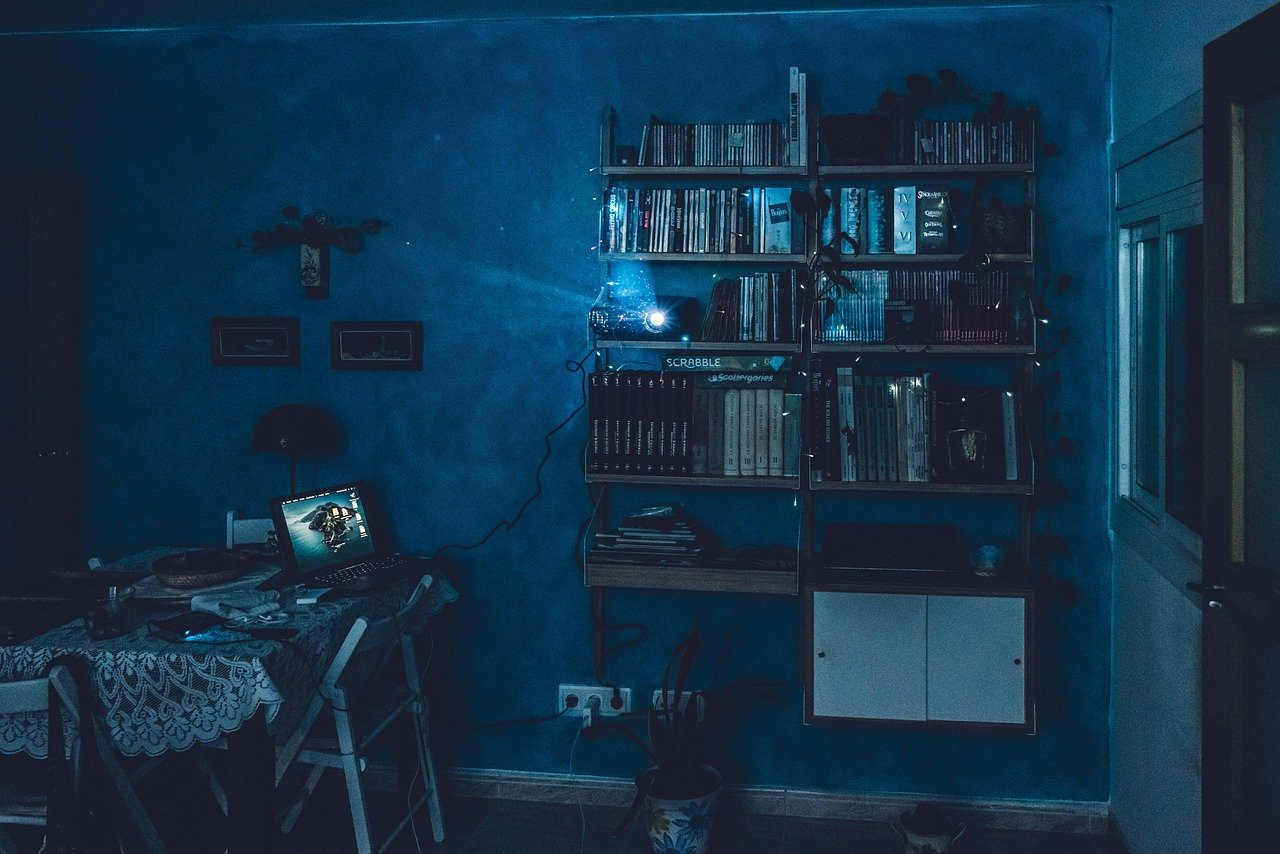
Small Projector, Big Screen: Transform Your Home Cinema Experience
The dream of a colossal cinematic experience, once confined to dedicated home theaters costing a fortune, is now remarkably accessible thanks to the evolution of small projectors. These compact powerhouses are shattering the myth that big screen entertainment requires a cavernous room and an equally large budget. Forget squinting at a television screen; a small projector unlocks the potential for truly immersive viewing, transforming any living space into a personal cinema.
The magic lies in the projector’s ability to cast an image that dwarfs the largest television. While even a 75-inch TV is a significant investment and occupies substantial wall space, a small projector can deliver a 100-inch, 120-inch, or even larger picture from just a few feet away. This scalability is a game-changer for those with limited space or a desire for a truly cinematic feel. The sheer immersion of a massive image, wrapping around your field of vision, creates an emotional connection to the content that simply cannot be replicated by traditional displays. Imagine the thrill of a blockbuster explosion, the breathtaking vistas of a nature documentary, or the intricate details of a sports event filling your entire view.
Modern small projectors have shed the bulky, noisy, and complicated reputation of their predecessors. Today’s models are sleeker, quieter, and remarkably user-friendly. Many are designed with portability in mind, allowing you to move them from room to room, take them to a friend’s house for a movie night, or even set them up in your backyard for an al fresco cinematic experience. This versatility adds another layer of value, making them more than just a static entertainment device.
Key Technologies Powering the Revolution:
Several technological advancements have propelled small projectors into the mainstream:
- LED and Laser Light Sources: Traditional lamp-based projectors are being replaced by more energy-efficient and longer-lasting LED and laser light sources. LEDs offer instant on/off capabilities, vibrant colors, and a lifespan of tens of thousands of hours, eliminating the need for costly bulb replacements. Laser projectors take this a step further, providing exceptional brightness, incredible contrast ratios, and an even longer lifespan.
- DLP and LCD Technology: Digital Light Processing (DLP) and Liquid Crystal Display (LCD) are the two primary projection technologies. DLP projectors are known for their sharp images, excellent contrast, and smooth motion, often favored for their ability to produce deep blacks. LCD projectors, on the other hand, tend to offer better brightness and color saturation for their price point, making them a popular choice for casual users.
- 4K Resolution: While 1080p (Full HD) is still a capable resolution, 4K Ultra HD is becoming increasingly common in small projectors. This means four times the pixels of 1080p, resulting in incredibly sharp, detailed, and lifelike images. Even on a massive screen, 4K resolution ensures that individual pixels are indistinguishable, providing a truly premium viewing experience.
- Short-Throw and Ultra-Short-Throw (UST) Technology: This is where the “small projector, big screen” concept truly shines. Short-throw projectors can produce a large image from a relatively close distance, typically 3-5 feet. Ultra-short-throw projectors are even more impressive, capable of casting a massive image from inches away from the screen or wall. This eliminates the common problem of shadows cast by people walking in front of the projector and makes setup incredibly convenient, especially in smaller rooms.
Choosing the Right Small Projector for Your Needs:
With a plethora of options available, selecting the perfect small projector requires considering a few key factors:
- Brightness (Lumens): This is perhaps the most crucial specification. Lumens measure the projector’s light output. For daytime viewing or rooms with ambient light, you’ll need a higher lumen count (e.g., 2000+ lumens). For dedicated dark rooms, lower lumen counts (e.g., 1000-1500 lumens) can suffice. ANSI lumens are the standard measurement to compare across brands.
- Resolution: As mentioned, 4K is the pinnacle, but 1080p is a solid choice for budget-conscious buyers or those with less demanding visual needs. Avoid projectors that claim “4K support” but only have a native 1080p panel; true 4K resolution will be explicitly stated.
- Contrast Ratio: This determines the difference between the brightest white and the darkest black the projector can produce. A higher contrast ratio leads to more dynamic and detailed images, especially in darker scenes. Look for native contrast ratios rather than dynamic ones, which can be misleading.
- Throw Ratio: This indicates how far the projector needs to be from the screen to achieve a specific image size. A lower throw ratio means the projector can be placed closer for a given screen size, essential for UST models.
- Connectivity: Ensure the projector has the ports you need, such as HDMI (multiple ports are beneficial), USB, and potentially wireless connectivity for streaming or screen mirroring.
- Sound: While many projectors have built-in speakers, they are often basic. For a true cinematic experience, investing in a separate soundbar or surround sound system is highly recommended. However, some projectors now offer surprisingly decent audio.
- Features: Consider smart features like built-in streaming apps (Android TV, Google TV, etc.), voice control, autofocus, keystone correction (to adjust for angled projection), and 3D playback if desired.
Creating Your Ultimate Home Cinema:
Beyond the projector itself, a few other elements can elevate your home cinema experience:
- The Screen: While a bare wall can work in a pinch, a dedicated projector screen significantly enhances image quality. Options range from pull-down screens and fixed-frame screens to retractable motorized screens. For UST projectors, specialized screens designed to minimize ambient light interference are highly beneficial. The screen material also plays a role in brightness and color reproduction.
- Light Control: The darker the room, the better the projector’s performance. Blackout curtains or blinds are essential for daytime viewing. Minimizing light reflections from furniture or other surfaces also helps.
- Sound System: As mentioned, a good sound system is crucial for immersion. Whether it’s a powerful soundbar with a subwoofer or a full-fledged surround sound setup, it will dramatically enhance the audio experience, complementing the stunning visuals.
- Seating: Comfortable seating is paramount for long movie sessions. Consider recliners, comfortable sofas, or even floor cushions to create a relaxed and enjoyable viewing environment.
- Acoustics: While not always a primary concern for casual users, addressing room acoustics can further refine the sound experience by minimizing echoes and improving clarity.
Transforming Different Spaces:
The beauty of small projectors lies in their adaptability:
- Living Rooms: With UST projectors, you can achieve a massive screen without sacrificing valuable floor space. The projector can sit on a media console, almost out of sight when not in use.
- Bedrooms: Turn your bedroom into a personal sanctuary for late-night movie binges or immersive gaming sessions.
- Kids’ Rooms: Imagine the joy of a giant screen for animated movies, educational content, or even interactive games.
- Outdoor Spaces: With a portable projector and a suitable screen, your backyard can become an open-air cinema for summer gatherings.
The era of the small projector, big screen revolution is here. By understanding the technology, choosing wisely, and paying attention to the supporting elements, you can unlock a world of cinematic wonder within your own home, transforming everyday viewing into an extraordinary experience. The dream of a truly immersive home cinema is no longer an unattainable fantasy; it’s a tangible reality, accessible and adaptable to almost any living space.