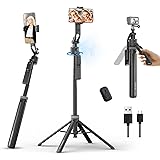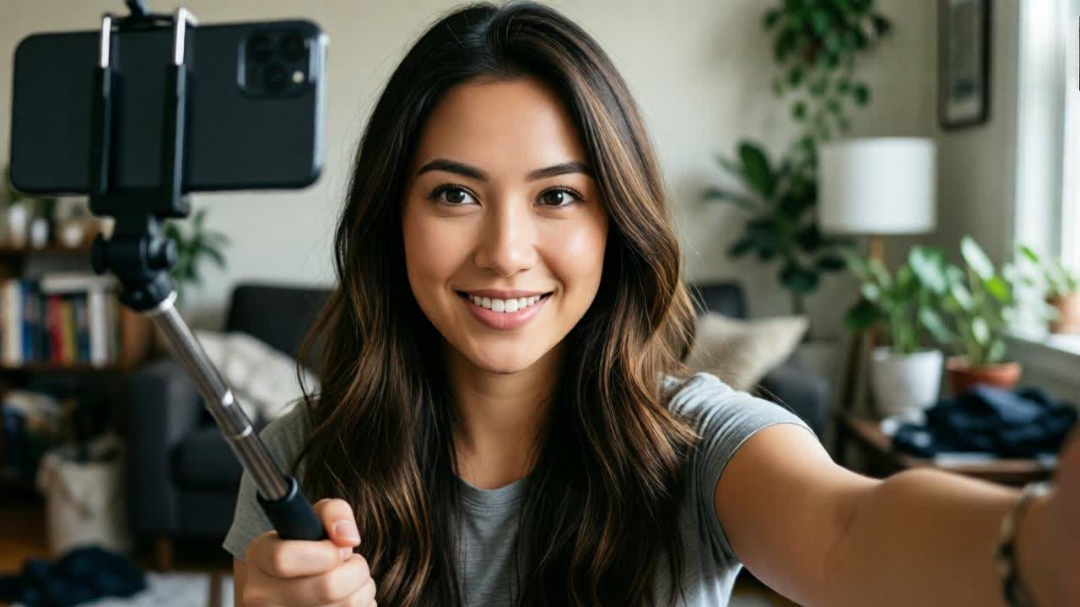
The ubiquitous selfie stick has transformed self-photography, offering a wider perspective and greater control than a simple arm extension. However, wielding this tool effectively requires more than just pointing and clicking. To elevate your self-portraits from mundane to magnificent, understanding the nuances of selfie stick usage is paramount. This guide unveils the secrets to unlocking stunning self-portraits, from mastering composition to leveraging lighting and exploring creative angles.
1. The Foundation: Choosing and Understanding Your Selfie Stick
Before diving into technique, the right equipment makes a difference. Prioritize a selfie stick that feels sturdy and comfortable in your hand. Consider its length – a longer stick provides a broader backdrop but can be unwieldy. Adjustable grip mechanisms ensure your phone is securely held, preventing accidental drops. Bluetooth connectivity offers seamless remote shutter functionality, eliminating the need for awkward timer setups. Familiarize yourself with its extension and retraction mechanisms, as well as any built-in features like remote controls or mini tripods.
2. Mastering Composition: Beyond the Arm’s Reach
The primary advantage of a selfie stick is its ability to extend your field of view. This allows for far more dynamic compositions than a standard arm-held shot.
- The Rule of Thirds: Imagine your frame divided into nine equal sections by two horizontal and two vertical lines. Place your subject (yourself) or key elements of the background along these lines or at their intersections. This creates a more balanced and visually appealing image. With a selfie stick, you can easily position yourself off-center to incorporate more of the environment.
- Leading Lines: Utilize natural or man-made lines within your background to guide the viewer’s eye towards you. This could be a winding path, a fence, a building facade, or even the edge of a table. The selfie stick’s extended reach makes it easier to incorporate these elements effectively.
- Framing: Use elements within the scene to frame yourself. This could be an archway, a doorway, branches of a tree, or even the hands of a friend holding the stick. This adds depth and visual interest.
- Background Awareness: A common selfie stick pitfall is a cluttered or distracting background. Utilize the extended reach to scout for cleaner, more aesthetically pleasing backdrops. Look for interesting textures, patterns, or complementary colors. A simple wall can become a canvas with the right angle.
3. The Power of Light: Illuminating Your Best Self
Lighting is arguably the most crucial element in any photograph, and self-portraits are no exception.
- Natural Light is Your Best Friend: Soft, diffused natural light is ideal. Overcast days or the golden hours (shortly after sunrise and before sunset) provide a flattering glow. Avoid harsh midday sun, which can create unflattering shadows and blown-out highlights.
- Frontal Lighting: Position yourself facing the light source. This illuminates your face evenly. However, be mindful of direct sunlight, which can be too intense.
- Side Lighting: Placing the light source to one side of your face can create dramatic shadows and add dimension, highlighting your features. Experiment with the angle to find the most flattering effect.
- Backlighting (with Caution): While backlighting can create beautiful silhouettes or rim lighting, it can also leave your face in shadow. If you choose this technique, ensure you have a secondary light source (like a reflector or another person holding a light) to fill in the shadows on your face.
- Avoid Overhead Lighting: Light directly above you often casts harsh shadows under your eyes and nose, creating an unflattering effect.
4. Angles and Perspective: Finding Your Most Flattering View
The selfie stick’s extended reach opens up a world of new angles.
- The Classic Eye-Level Shot: This is the most natural and relatable perspective, mimicking how we typically see each other.
- The High Angle Shot: Holding the selfie stick slightly above and angled down can create a slimming effect and emphasize your eyes. This is a popular choice for flattering portraits.
- The Low Angle Shot: Shooting from below can make you appear taller and more imposing. Be mindful of unflattering double chins or awkward perspectives.
- Experiment with Tilt: Don’t be afraid to tilt the selfie stick up or down, or even to the side, to create a more dynamic and artistic composition.
- Incorporate the Environment: Use the extended reach to capture yourself within a grand landscape, a bustling city scene, or a cozy interior. The selfie stick allows you to become part of the story.
5. Posing and Expression: Conveying Your Personality
Even with perfect lighting and composition, a stiff pose or uninspired expression can fall flat.
- Relax and Be Natural: Overly posed selfies often look artificial. Take a deep breath, relax your shoulders, and let your natural personality shine through.
- Engage with the Camera: Make eye contact with the lens. A genuine smile or a thoughtful gaze can be incredibly captivating.
- Vary Your Poses: Don’t stick to just one pose. Try different head tilts, hand placements (resting on your chin, holding a prop, or simply by your side), and body angles.
- Tell a Story: Think about what you want your selfie to convey. Are you feeling adventurous, contemplative, joyful, or relaxed? Let your pose and expression reflect that narrative.
- Practice Makes Perfect: The more you practice taking selfies, the more comfortable you’ll become with different poses and expressions. Review your photos and identify what works best for you.
6. Technical Settings and Editing: The Finishing Touches
While smartphone cameras are incredibly advanced, a few technical considerations and post-processing can elevate your images.
- Clean Your Lens: A smudged lens is the enemy of a sharp, clear photo. Wipe it regularly.
- Focus: Ensure your phone’s camera is focused on your face. Most smartphones have auto-focus, but you can often tap on your face to ensure it’s sharp.
- Exposure: If your photo is too dark or too bright, use your phone’s exposure adjustment tools (often a slider that appears when you tap to focus) to fine-tune it.
- Grid Lines: Enable grid lines on your camera app to help with composition, especially when applying the rule of thirds.
- Editing Apps: Utilize editing apps (like Snapseed, VSCO, or Adobe Lightroom Mobile) to enhance your photos. Subtle adjustments to brightness, contrast, saturation, and sharpness can make a significant difference. Avoid over-editing, which can make your photos look unnatural.
- Cropping: Crop your photos to remove distracting elements or to improve the composition.
7. Creative Applications and Advanced Techniques
Beyond the standard selfie, the selfie stick unlocks creative possibilities.
- Group Selfies: The extended reach is perfect for capturing larger groups of friends or family without anyone being awkwardly cut out.
- Capturing Movement: Experiment with slightly blurring the background while keeping yourself sharp to convey a sense of motion.
- Self-Timer and Motion: Use the self-timer in conjunction with slight movements to create a more candid and dynamic shot.
- Reflections: Use the selfie stick to capture interesting reflections in windows, mirrors, or water.
- Time-Lapse and Hyperlapse: Some selfie sticks offer tripod functionality, allowing you to set up for time-lapse or hyperlapse sequences.
By understanding these selfie stick secrets, you can move beyond basic self-portraits and create images that are not only technically sound but also visually compelling and expressive. Experiment, have fun, and let your creativity flourish.
FOTOKINA Selfie Stick Handheld Monopod Smartphone Adaptor Included, Capture Every Moment in Style with This Portable, Extendable, and Versatile Handheld Selfie Stick (Black)
₹195.00 (as of October 19, 2026 19:23 GMT +05:30 - More infoProduct prices and availability are accurate as of the date/time indicated and are subject to change. Any price and availability information displayed on [relevant Amazon Site(s), as applicable] at the time of purchase will apply to the purchase of this product.)
K&F CONCEPT Auto Open 62'' Selfie Stick Tripod with Remote for Vlog | 360° Ball Head Camera Tripod with 2-in-1 Phone Holder, Compatible with DJI Osmo Pocket 3 4 Insta360 Luna Ultra. MS34
₹3,540.00 (as of October 19, 2026 19:23 GMT +05:30 - More infoProduct prices and availability are accurate as of the date/time indicated and are subject to change. Any price and availability information displayed on [relevant Amazon Site(s), as applicable] at the time of purchase will apply to the purchase of this product.)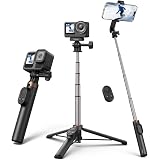
TELESIN Mini Selfie Stick & Phone Tripod for DJI Osmo 360 Action 6/5/4, GoPro Hero 13/12/11, Vlog Selfie Stand with 80m Remote and Phone Clip for iPhone & Android, Portable Vlogging Tripods for Travel
₹3,324.00 (as of October 19, 2026 19:23 GMT +05:30 - More infoProduct prices and availability are accurate as of the date/time indicated and are subject to change. Any price and availability information displayed on [relevant Amazon Site(s), as applicable] at the time of purchase will apply to the purchase of this product.)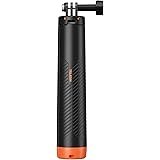
TELESIN 4 in 1 Selfie Stick Floating Hand Grip Tripod Waterproof Extendable Selfie Monopod for Go-Pro Hero 13, 12, 11, DJI Action 5 Pro 4 3、Insta-360 Ace Pro 2 and Most Action Camera
₹1,723.00 (as of October 19, 2026 19:23 GMT +05:30 - More infoProduct prices and availability are accurate as of the date/time indicated and are subject to change. Any price and availability information displayed on [relevant Amazon Site(s), as applicable] at the time of purchase will apply to the purchase of this product.)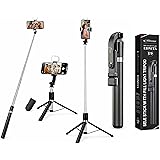
EDNITA E9 Selfie Stick Tripod With Light, 67 inch /170CM Reinforced Tripod for Mobile Phone, Multi-Functional Bluetooth Long Selfie Stick for Travel,Vlogging,Compatible with iPhone and All Smartphones
₹350.00 (as of October 19, 2026 19:23 GMT +05:30 - More infoProduct prices and availability are accurate as of the date/time indicated and are subject to change. Any price and availability information displayed on [relevant Amazon Site(s), as applicable] at the time of purchase will apply to the purchase of this product.)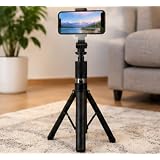
Extendable Selfie Stick Tripod with Built-in LED Light, 6FT | Rechargeable LED Light, Adjustable Phone Holder, Foldable Tripod Base, Multi-Angle Shots, Vlogging & Reels
₹350.00 (as of October 19, 2026 19:23 GMT +05:30 - More infoProduct prices and availability are accurate as of the date/time indicated and are subject to change. Any price and availability information displayed on [relevant Amazon Site(s), as applicable] at the time of purchase will apply to the purchase of this product.)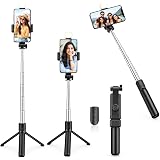
Selfie Stick Tripod Extendable Bluetooth 70 Cm with Light, 360° Rotating Phone Holder, Wireless Remote, Portable Stand for Vlogging, Reels & Photos
Now retrieving the price.
(as of October 19, 2026 19:23 GMT +05:30 - More infoProduct prices and availability are accurate as of the date/time indicated and are subject to change. Any price and availability information displayed on [relevant Amazon Site(s), as applicable] at the time of purchase will apply to the purchase of this product.)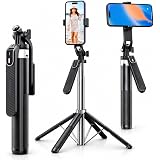
Kratos 65-Inch Selfie Stick Tripod Stand with Reinforced 4-Leg Base, 360° Rotatable Handle, Detachable Bluetooth Remote, Smartphone & Ring Light Compatible, Ideal for Photos & Videos (K5-V3)
₹1,599.00 (as of October 19, 2026 19:23 GMT +05:30 - More infoProduct prices and availability are accurate as of the date/time indicated and are subject to change. Any price and availability information displayed on [relevant Amazon Site(s), as applicable] at the time of purchase will apply to the purchase of this product.)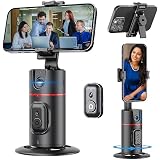
Kratos K13 Ai Powered Auto Face Tracking Tripod,360° Rotation Mobile Holder for Smart Video Shoot with Remote,No App Needed,Gimbal Stabilizer with Gesture Control for Video Recording
₹1,889.00 (as of October 19, 2026 19:23 GMT +05:30 - More infoProduct prices and availability are accurate as of the date/time indicated and are subject to change. Any price and availability information displayed on [relevant Amazon Site(s), as applicable] at the time of purchase will apply to the purchase of this product.)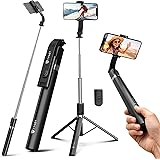
Tygot T9 Selfie Stick Tripod, 67 Inch (170CM) Reinforced Tripod for Mobile Phone, Multi-Functional Bluetooth Long Selfie Stick for Travel,Vlogging,Compatible with iPhone and All Smartphones
₹429.00 (as of October 19, 2026 19:23 GMT +05:30 - More infoProduct prices and availability are accurate as of the date/time indicated and are subject to change. Any price and availability information displayed on [relevant Amazon Site(s), as applicable] at the time of purchase will apply to the purchase of this product.)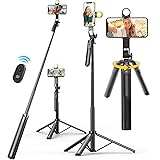
KINGONE Long Selfie Stick with Tripod Stand Aluminum 71inch/180cm, 360° Degree Rotation Selfie Stick Tripod for Phone, Rechargeable Remote & LED Fill Light, 1/4" Screw for Camera Gopro for Vlogging
₹1,499.00 (as of October 19, 2026 19:23 GMT +05:30 - More infoProduct prices and availability are accurate as of the date/time indicated and are subject to change. Any price and availability information displayed on [relevant Amazon Site(s), as applicable] at the time of purchase will apply to the purchase of this product.)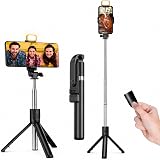
Selfie Stick 3 Feet with Remote and Light, Extendable Selfie Stick Tripod for Mobile Phone, Selfie Stand for Photos and Videos
Now retrieving the price.
(as of October 19, 2026 19:23 GMT +05:30 - More infoProduct prices and availability are accurate as of the date/time indicated and are subject to change. Any price and availability information displayed on [relevant Amazon Site(s), as applicable] at the time of purchase will apply to the purchase of this product.)
0to6 Aluminium Carbon Fiber Invisible Selfie Stick 150cm for Action Insta360° Camera, Anti-Slip Grip, Telescopic Extension Stick for 360° Video Shooting, Black
₹1,599.00 (as of October 19, 2026 19:23 GMT +05:30 - More infoProduct prices and availability are accurate as of the date/time indicated and are subject to change. Any price and availability information displayed on [relevant Amazon Site(s), as applicable] at the time of purchase will apply to the purchase of this product.)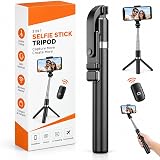
Fire Turtle 67inch Selfie Stick Tripod Stand with LED Light – 3-in-1 Phone Stand with Bluetooth Remote & Rechargeable Ring Light for Photos, Makeup, Vlogging, and Video Calls (6FT Stick with Light)
₹299.00 (as of October 19, 2026 19:23 GMT +05:30 - More infoProduct prices and availability are accurate as of the date/time indicated and are subject to change. Any price and availability information displayed on [relevant Amazon Site(s), as applicable] at the time of purchase will apply to the purchase of this product.)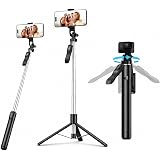
ONE 7 Multifunctional Selfie Tripod with 360° Rotatable Phone Holder | Multi-Angle Adjustable Stand | Wireless Remote Shutter | Foldable Portable Design for Selfies, Photos & Videos | ON SS-06
₹1,749.00 (as of October 19, 2026 19:23 GMT +05:30 - More infoProduct prices and availability are accurate as of the date/time indicated and are subject to change. Any price and availability information displayed on [relevant Amazon Site(s), as applicable] at the time of purchase will apply to the purchase of this product.)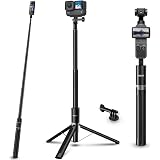
59" Invisible Selfie Stick Tripod for Insta360 X5/X4/X3/ONE X2 | Mobilife 2-in-1 Camera Tripod Lightweight & Extendable for GoPro/DJI Pocket 3/4 Action Camera
₹1,397.00 (as of October 19, 2026 19:23 GMT +05:30 - More infoProduct prices and availability are accurate as of the date/time indicated and are subject to change. Any price and availability information displayed on [relevant Amazon Site(s), as applicable] at the time of purchase will apply to the purchase of this product.)
insta360 Selfie Stick Wih Built in with Tripod, Black
₹2,999.00 (as of October 19, 2026 19:23 GMT +05:30 - More infoProduct prices and availability are accurate as of the date/time indicated and are subject to change. Any price and availability information displayed on [relevant Amazon Site(s), as applicable] at the time of purchase will apply to the purchase of this product.)
Digitek DTR 495IS Invisible Selfie Stick for 360° Action Cameras, 1.5m Aluminum 5-Section Adjustable Pole, Rotation Lock, Anti-Skid Grip, 1kg Load, Compatible with Insta360, GoPro & DJI
₹899.00 (as of October 19, 2026 19:23 GMT +05:30 - More infoProduct prices and availability are accurate as of the date/time indicated and are subject to change. Any price and availability information displayed on [relevant Amazon Site(s), as applicable] at the time of purchase will apply to the purchase of this product.)
Tygot Bluetooth Extendable Selfie Stick with Wireless Remote and Tripod Stand, 3-in-1 Multifunctional Selfie Stick with Tripod Stand Compatible with iPhone/OnePlus/Samsung/Oppo/Vivo and All Phones
₹219.00 (as of October 19, 2026 19:23 GMT +05:30 - More infoProduct prices and availability are accurate as of the date/time indicated and are subject to change. Any price and availability information displayed on [relevant Amazon Site(s), as applicable] at the time of purchase will apply to the purchase of this product.)