
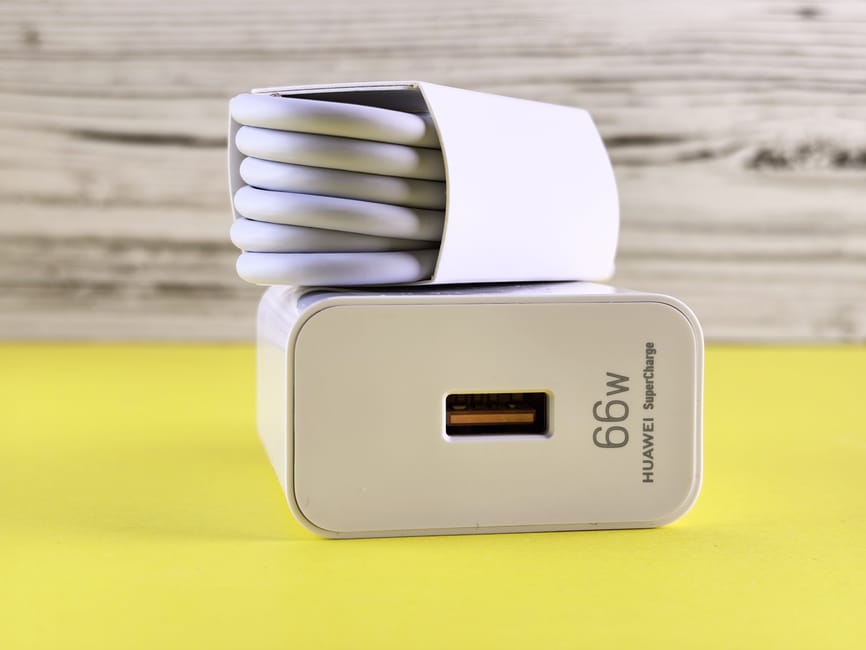
Portable Fast Chargers: Power On the Go
In our increasingly mobile world, a dead battery is more than an inconvenience; it’s a digital lifeline severed. From navigating unfamiliar streets to capturing spontaneous moments, our smartphones, tablets, and other essential gadgets are extensions of ourselves. This reliance has fueled a surge in demand for portable power solutions, and at the forefront of this revolution are portable fast chargers. These compact powerhouses are no longer just about extending battery life; they’re about minimizing downtime and keeping you connected, productive, and entertained, no matter where life takes you.
The concept of a portable charger, or power bank, isn’t new. However, the evolution towards “fast charging” has dramatically altered the user experience. Gone are the days of waiting hours for a significant battery boost. Portable fast chargers leverage advanced technologies to deliver power at unprecedented speeds, often rivaling or even exceeding the performance of wall chargers. This rapid replenishment is a game-changer, transforming brief coffee breaks or short commutes into opportunities to fully recharge your devices.
At the heart of portable fast charging lies the optimization of power delivery. Unlike traditional chargers that adhere to slower, standardized charging protocols, fast chargers employ proprietary technologies or widely adopted standards like USB Power Delivery (USB PD) and Qualcomm Quick Charge (QC). USB PD, a versatile standard, allows for dynamic negotiation of voltage and current between the charger and the device, enabling higher power outputs. Qualcomm Quick Charge, on the other hand, is a suite of technologies specifically designed to accelerate charging for Qualcomm Snapdragon-equipped devices, but its compatibility has expanded significantly. Understanding these standards is crucial when selecting a portable fast charger, as it dictates compatibility with your specific devices.
The key components of a portable fast charger are its battery capacity, output power, and charging technology. Battery capacity, measured in milliampere-hours (mAh), determines how many times you can recharge your devices. For a typical smartphone with a 4000-5000 mAh battery, a 10,000 mAh power bank can provide roughly one to two full charges, while a 20,000 mAh unit offers multiple recharges, ideal for extended trips or powering multiple devices. Output power, measured in watts (W), directly influences charging speed. Fast chargers typically offer outputs ranging from 18W to 100W or even higher, with higher wattage indicating faster charging capabilities. The charging technology, as mentioned, is the underlying protocol that facilitates this rapid power transfer.
The benefits of portable fast chargers are manifold. Firstly, time efficiency is paramount. A quick 15-30 minute charge can often provide enough power to last for several hours, alleviating the anxiety of a dwindling battery. This is particularly valuable for professionals who rely on their devices for work, travelers who need constant navigation and communication, and students who need to stay connected during long study sessions. Secondly, convenience is enhanced. The ability to quickly top up your device without being tethered to a wall outlet offers unparalleled freedom. Imagine charging your phone while walking, waiting for a train, or even during a short break in a park.
Furthermore, portable fast chargers are increasingly designed with multi-device charging in mind. Many models feature multiple USB-A and USB-C ports, allowing you to power up several gadgets simultaneously. Some even support features like Power Delivery 3.0 with Programmable Power Supply (PPS), which offers even finer control over voltage and current, leading to optimized and faster charging for compatible devices. The inclusion of USB-C ports is becoming standard, as this reversible connector is prevalent on newer smartphones, tablets, and laptops, simplifying cable management and enabling higher power transfer.
Safety features are also a critical consideration. Reputable portable fast chargers incorporate robust protection mechanisms against overcharging, over-discharging, over-current, and short circuits. These safeguards protect both the power bank itself and the connected devices from potential damage. Look for certifications like UL, CE, or FCC, which indicate that the product has met stringent safety and performance standards.
The market for portable fast chargers is diverse, offering a wide array of options to suit different needs and budgets. Brands like Anker, RAVPower, Aukey, and Belkin are well-known for their reliable and high-performance power banks. When choosing a charger, consider your primary use case. If you’re a frequent traveler who needs to power multiple devices, a high-capacity unit with multiple fast-charging ports is ideal. For everyday use and quick top-ups, a smaller, more compact model might suffice.
Understanding wattage and compatibility is key to unlocking the full potential of portable fast charging. A 100W portable charger won’t necessarily charge every device at 100W. The device itself must support receiving that level of power. Similarly, a charger supporting USB PD will only fast-charge devices that are also USB PD compatible. Checking the specifications of both your devices and the portable charger is essential to ensure optimal performance. For instance, a laptop requiring 65W of power will benefit significantly from a 65W or higher USB PD portable charger, whereas a smartphone designed for 25W fast charging will draw power at that rate from a compatible charger, even if the charger is capable of more.
The design and portability of these chargers have also seen significant improvements. They are becoming sleeker, lighter, and more durable. Many feature premium finishes and compact form factors that easily slip into a pocket, purse, or backpack. Some even incorporate built-in cables or wireless charging capabilities, further reducing the need to carry extra accessories. The rise of GaN (Gallium Nitride) technology, traditionally associated with wall chargers, is also starting to influence portable charger design, promising smaller, more efficient, and cooler-running power banks.
The environmental impact of portable electronics and their charging solutions is an increasingly important consideration. While the convenience of fast charging is undeniable, responsible usage and proper disposal of power banks are crucial. Many manufacturers are exploring more sustainable battery technologies and packaging. Users can also contribute by choosing durable, long-lasting power banks and recycling old units responsibly.
Looking ahead, the trend towards even faster charging speeds and higher capacities in portable power solutions is likely to continue. Advancements in battery technology, such as solid-state batteries, could lead to lighter, more energy-dense, and safer portable chargers. The integration of smart charging features that optimize power delivery based on battery health and usage patterns will also become more prevalent. The ability to charge devices wirelessly at faster speeds from portable sources is another area of ongoing development.
In conclusion, portable fast chargers have moved beyond being a mere accessory to a fundamental tool for modern life. They empower us to stay connected, productive, and entertained, offering a tangible solution to the ubiquitous challenge of battery anxiety. By understanding the underlying technologies, considering individual needs, and prioritizing safety and reliability, consumers can harness the full power of these portable energy hubs and ensure their digital lives remain uninterrupted, wherever their journeys may lead. The future of portable power is bright, fast, and readily available on the go.