
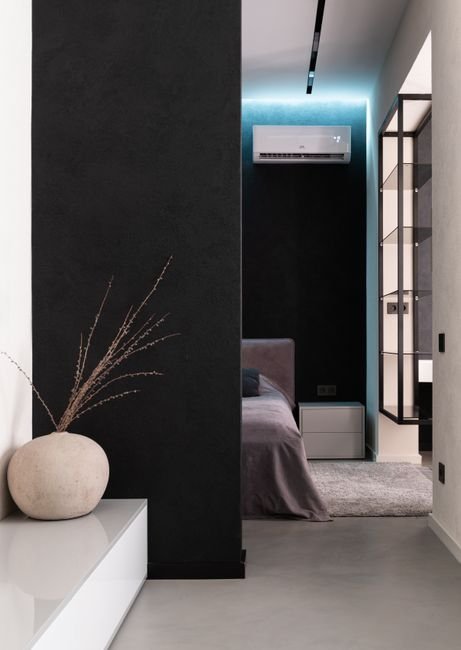
The Silent Sanctuary: Quiet Portable AC for Small Rooms to Sleep Soundly
The relentless hum of a noisy air conditioner can be the bane of a good night’s sleep, especially in smaller living spaces. For those in apartments, studios, dorm rooms, or even spare bedrooms, finding a cooling solution that doesn’t disrupt precious slumber is paramount. This is where the magic of quiet portable AC units for small rooms truly shines. These compact powerhouses offer a dual benefit: effective temperature regulation and whisper-quiet operation, transforming your personal sanctuary into a haven of tranquility and comfort.
Understanding the Need for Quiet Cooling
The modern world is often a symphony of noise. From traffic outside to the whirring of appliances within, our environments are rarely truly silent. Sleep, however, is a delicate state that benefits from minimal auditory disruption. Traditional portable AC units, while functional, can often produce a significant amount of noise, characterized by compressor hum, fan whirring, and even rattling. This constant low-level drone can interfere with sleep onset, lead to fragmented sleep, and ultimately impact overall well-being. For individuals particularly sensitive to noise or those living in close proximity to neighbors, a quiet portable AC isn’t a luxury; it’s a necessity.
The Technology Behind Quiet Operation
The key to a quiet portable AC lies in its engineering. Manufacturers dedicated to this niche employ several strategies to minimize noise output:
- Advanced Compressor Technology: The compressor is often the loudest component of an AC unit. Quiet models utilize advanced inverter technology or variable-speed compressors that adjust their power consumption based on cooling needs. This means they don’t have to constantly cycle on and off at maximum capacity, leading to a smoother, quieter operation.
- Optimized Fan Design: The fan’s speed and blade design play a crucial role in noise generation. Quiet ACs feature aerodynamically designed fan blades that move air more efficiently with less turbulence, thus reducing whirring sounds. Variable fan speeds also allow for lower, quieter settings when maximum cooling isn’t required.
- Insulation and Sound Dampening: High-quality insulation materials are strategically placed within the unit’s housing to absorb and block sound vibrations. This meticulous attention to detail significantly reduces the transmission of noise from internal components to the surrounding environment.
- Vibration Reduction: Internal components are often mounted on anti-vibration pads or dampeners to prevent them from resonating and creating rattling or humming noises.
- Dual-Hose Systems (Often Quieter): While not exclusively tied to quiet operation, dual-hose portable ACs can sometimes operate more efficiently, leading to less runtime and thus less overall noise. They draw outside air for cooling the condenser and exhaust hot air outside, rather than using conditioned room air for this process, which can be more energy-efficient and less taxing on the unit.
Key Features to Look for in a Quiet Portable AC for Small Rooms
When embarking on your quest for a silent cooling companion, several features warrant close examination:
- Decibel (dB) Rating: This is the most direct measure of noise level. Look for units with decibel ratings below 50 dB, and ideally closer to 40 dB or even lower for truly whisper-quiet operation. Many manufacturers will clearly state the dB rating for their lowest fan setting.
- Sleep Mode: Many quiet portable ACs feature a dedicated “Sleep Mode.” This setting typically reduces fan speed and adjusts the temperature gradually throughout the night, ensuring optimal comfort without the constant hum of full operation. It often also dims or turns off display lights.
- Timer Functionality: A timer allows you to set the AC to turn on or off at specific times. This is useful for pre-cooling your room before bedtime or ensuring it doesn’t run all night unnecessarily, saving energy and reducing noise exposure.
- Adjustable Fan Speeds: Multiple fan speed options provide flexibility. You can choose a higher setting for rapid cooling and a lower, quieter setting for maintaining comfort throughout the night.
- Compact and Lightweight Design: For small rooms, space is often at a premium. Opt for a unit that is proportionally sized for your room and easy to maneuver.
- Effective Dehumidification: Small rooms can sometimes feel more humid. A good portable AC will also offer dehumidification capabilities to improve overall comfort.
- Easy Installation and Maintenance: Look for units with straightforward window venting kits and easily accessible filters for cleaning.
Choosing the Right Size (BTU) for Your Small Room
While noise is a primary concern, the cooling capacity of the unit, measured in British Thermal Units (BTUs), is equally important for effective and efficient operation. An oversized unit will cycle on and off too frequently, leading to uneven cooling and increased wear and tear, potentially generating more noise. An undersized unit will struggle to cool the room, running constantly and inefficiently.
For small rooms (typically under 300 square feet), the following BTU guidelines are generally recommended:
- 100-150 sq ft: 5,000-6,000 BTUs
- 150-250 sq ft: 7,000-8,000 BTUs
- 250-300 sq ft: 9,000-10,000 BTUs
Always consider factors like ceiling height, insulation quality, the number of occupants, and direct sunlight exposure, which can influence the required BTU.
Placement and Venting for Optimal Performance and Quietness
Proper placement and venting are crucial for both the efficiency and the perceived quietness of your portable AC.
- Window Kit Installation: Ensure the window kit is securely installed and sealed to prevent warm air from entering the room and cool air from escaping. This also helps to minimize noise from outside.
- Clearance: Allow adequate space around the unit for proper airflow. Avoid placing it directly against walls or furniture, as this can impede its operation and potentially increase noise.
- Hose Management: Keep the exhaust hose as short and straight as possible. Kinks or excessive length can reduce efficiency and strain the unit, potentially leading to more noise.
- Avoid Direct Sunlight: Position the unit away from direct sunlight, which can cause it to work harder and generate more heat and noise.
Top Considerations for Specific Small Room Scenarios
- Apartment Living: Noise regulations and neighborly considerations are paramount. Prioritize units with the lowest dB ratings and effective sleep modes. Dual-hose systems can be beneficial for energy efficiency and reduced reliance on indoor air for condenser cooling.
- Dorm Rooms: Space is often extremely limited, and noise can be a major issue with roommates. Look for ultra-compact models with intuitive controls and reliable quiet operation.
- Home Offices or Guest Rooms: While sleep is important, consistent comfort during work or for guests is also key. A quiet portable AC ensures that these spaces remain functional and inviting without intrusive noise.
Maintaining Your Quiet Portable AC for Lasting Performance
Regular maintenance is essential to keep your quiet portable AC performing optimally and maintaining its low noise levels:
- Filter Cleaning: Clean or replace the air filters regularly (usually every 2-4 weeks, depending on usage and air quality). Dirty filters restrict airflow, forcing the unit to work harder and become noisier.
- Condenser Coil Cleaning: Periodically clean the condenser coils according to the manufacturer’s instructions. Dust and debris can accumulate, reducing efficiency and increasing noise.
- Drainage: Ensure the unit’s water tank is emptied regularly if it’s a model that collects condensate. Some models have continuous drainage options which can be more convenient.
- Storage: If storing the unit during the off-season, ensure it is clean and dry.
By understanding the technology behind quiet operation, carefully selecting features, and prioritizing proper installation and maintenance, you can transform your small room into a serene retreat. A quiet portable AC is an investment in your comfort and well-being, ensuring that you can finally sleep soundly through even the warmest nights.