
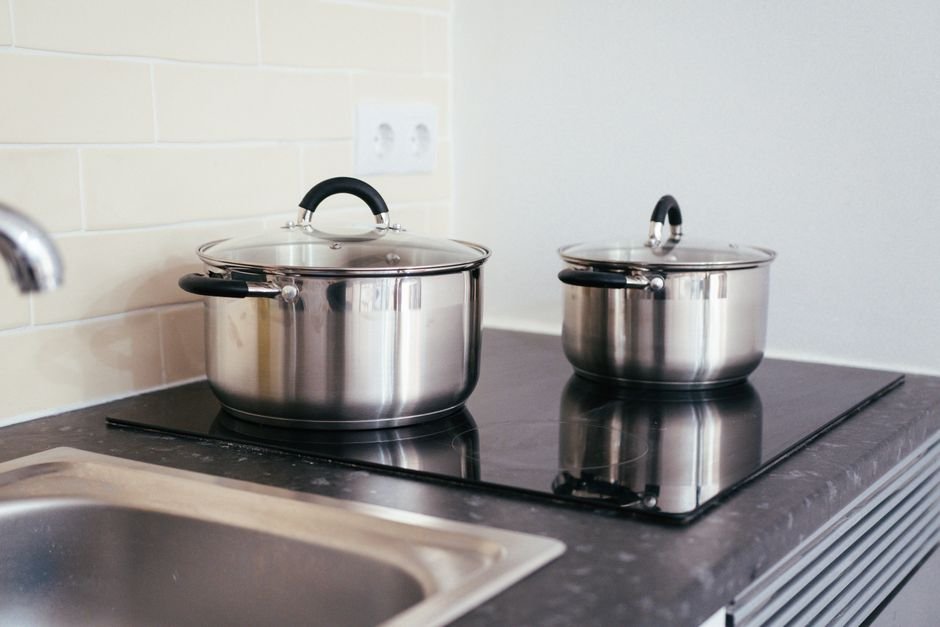
Portable Induction Cooktop vs. Electric/Gas: Navigating the Culinary Landscape
The modern kitchen is a dynamic space, and with it comes a growing array of cooking appliances. While traditional electric and gas cooktops remain stalwarts, portable induction cooktops have surged in popularity, offering a compelling alternative for a variety of needs. Deciding between these options involves a nuanced understanding of their respective strengths and weaknesses, impacting everything from cooking performance and energy efficiency to safety and cost.
The Science Behind the Sizzle: How They Work
At the heart of the distinction lies their heating mechanisms. Gas cooktops utilize an open flame, directly igniting gas (natural gas or propane) to heat cookware. This direct heat transfer is immediate and offers precise temperature control, favored by many professional chefs for its responsiveness. Electric cooktops, on the other hand, employ resistive heating elements. These elements, typically made of coiled metal, generate heat when electricity passes through them, which then transfers to the cookware via conduction. This process is generally slower to heat up and cool down compared to gas.
Portable induction cooktops operate on a fundamentally different principle: electromagnetism. A coil beneath the ceramic glass surface generates a fluctuating magnetic field. When a ferromagnetic pot or pan (one that contains iron) is placed on the surface, this magnetic field induces electrical currents within the cookware itself. These currents generate heat directly within the vessel, bypassing the cooktop surface. This direct heating of the pan, not the element, is the key to induction’s unique advantages.
Performance Powerhouses: Cooking Speed and Precision
When it comes to sheer speed, induction often takes the crown. The direct generation of heat within the cookware means water boils significantly faster than on comparable gas or electric burners. This efficiency translates to quicker meal preparation and can be a major boon for busy households.
Gas cooktops offer unparalleled precision in temperature control. The visual cue of the flame allows for immediate adjustments, and the ability to fine-tune heat levels is highly valued for delicate tasks like simmering sauces or melting chocolate. While electric cooktops have improved, their inherent lag in heating and cooling can make achieving such fine-tuned control more challenging.
Induction bridges this gap with remarkable accuracy. While the visual feedback isn’t as direct as a flame, the electronic controls provide very precise temperature settings. Many induction units offer a wide range of power levels, allowing for both rapid boiling and gentle simmering. The responsiveness is far superior to traditional electric coil or smooth-top electric ranges.
Energy Efficiency: A Greener Kitchen
In terms of energy efficiency, induction is the clear winner. Because heat is generated directly within the cookware, there is minimal heat loss to the surrounding environment. This makes induction cooktops significantly more energy-efficient than both gas and traditional electric cooktops. Gas cooktops, while offering responsiveness, also lose a considerable amount of heat through the open flame. Electric cooktops, particularly coil types, are the least efficient due to heat radiating from the elements. This translates to lower energy bills and a reduced environmental footprint with induction.
Safety First: Eliminating the Risks
Gas cooktops, while beloved for their performance, present inherent safety risks. The open flame poses a fire hazard, and the possibility of gas leaks, while rare with proper maintenance, is a persistent concern.
Electric cooktops are generally safer than gas, but the hot surface of the heating elements can still cause burns, especially for children or pets. The residual heat can remain for a significant period after use, requiring caution.
Portable induction cooktops excel in safety. The cooktop surface itself does not get as hot as electric elements; it only heats up from residual heat from the pan. This significantly reduces the risk of accidental burns. Furthermore, induction cooktops only activate when a compatible pot is placed on them, meaning the surface is cool to the touch when not in use. There are no open flames or gas leaks to worry about. Many models also feature automatic shut-off functions for added peace of mind.
Cookware Compatibility: A Crucial Consideration
This is where a significant difference emerges. Gas and electric cooktops are compatible with a vast array of cookware materials, including stainless steel, cast iron, copper, aluminum, and glass.
Portable induction cooktops, however, require ferromagnetic cookware. This means pots and pans made of materials like cast iron, magnetic stainless steel, or enameled cast iron will work. Aluminum, copper, and glass cookware will not work unless they have a special magnetic base. A simple test is to see if a magnet sticks to the bottom of your pot; if it does, it’s likely induction-compatible. This compatibility requirement can be a hurdle for those with an existing collection of non-magnetic cookware, necessitating an investment in new pots and pans.
Portability and Versatility: The Advantage of Mobility
The defining characteristic of a portable induction cooktop is its inherent mobility. These units are compact, lightweight, and plug into a standard electrical outlet, making them ideal for a multitude of scenarios. They are perfect for small kitchens, dorm rooms, RVs, camping trips, outdoor entertaining, or as an extra cooking surface for holiday gatherings. Their sleek designs often blend seamlessly into existing kitchen aesthetics.
While traditional electric and gas cooktops are fixed installations, their larger surface areas and multiple burners often provide greater capacity for complex meal preparation. However, their lack of portability is a significant limitation for those seeking flexible cooking solutions.
Cleaning and Maintenance: Effortless Upkeep
The smooth, flat ceramic glass surface of portable induction cooktops makes cleaning exceptionally easy. Spills and splatters can be wiped away with a damp cloth, and there are no grates or burners to scrub. This user-friendly maintenance is a major advantage.
Gas cooktops require more effort to clean, with removable grates and burner caps that need regular attention to remove grease and food residue. Electric coil cooktops can be challenging to clean, with food often falling into the heating elements. Smooth-top electric ranges are easier to clean than coils, but can still be prone to scratching and require specific cleaning products.
Cost Considerations: Initial Investment vs. Long-Term Savings
The initial cost of portable induction cooktops can vary, but they are often comparable to or slightly more expensive than mid-range electric cooktops. However, their superior energy efficiency can lead to significant long-term savings on utility bills.
Gas cooktops can have a higher initial installation cost, especially if a gas line needs to be extended. The ongoing cost of natural gas or propane is generally lower than electricity in many regions, but this can fluctuate.
Electric cooktops generally have the lowest upfront cost, particularly basic coil models. However, their lower energy efficiency can result in higher running costs over time.
Choosing Your Culinary Companion: A Personalized Decision
The “best” option ultimately depends on individual needs and priorities.
For those prioritizing speed, energy efficiency, and safety, a portable induction cooktop is an excellent choice. Its versatility makes it ideal for small spaces, supplemental cooking, or a more modern and convenient approach to everyday meals. The primary consideration is the need for induction-compatible cookware.
Gas cooktops remain the preferred choice for chefs and home cooks who value unrivaled temperature control and immediate responsiveness. The visual feedback of the flame is a key advantage for those who enjoy precise culinary manipulation.
Electric cooktops, particularly smooth-top models, offer a balance of affordability and ease of use for those not requiring the advanced features of induction or the precise control of gas. They are a reliable and widely available option for general cooking needs.
By understanding the distinct characteristics of each cooking technology, consumers can make an informed decision that best suits their lifestyle, culinary aspirations, and kitchen environment.