
Step into Summer: The Ultimate Comfortable Sandal Guide
Summer beckons with its promise of sunshine, longer days, and the liberating feeling of shedding heavy footwear. As temperatures rise, our feet crave breathability and freedom. Yet, the quest for the perfect summer sandal often leads to a compromise between style and comfort, a trade-off many are unwilling to make. This comprehensive guide delves into the world of comfortable sandals, equipping you with the knowledge to navigate the market and find your ideal companions for every summer adventure. We’ll explore the key features that define a truly comfortable sandal, from innovative materials and supportive designs to the subtle nuances that make a world of difference.
Understanding the Anatomy of a Comfortable Sandal:
The foundation of comfort lies in thoughtful design and superior materials. When assessing sandals, pay close attention to these crucial elements:
-
Footbed and Arch Support: This is arguably the most critical component. A well-constructed footbed should contour to the natural curves of your foot, providing adequate arch support. Look for anatomically shaped footbeds that cradle your heel and distribute pressure evenly. Materials like cork, EVA (ethylene-vinyl acetate), and memory foam offer excellent cushioning and shock absorption. Avoid sandals with flat, unsupportive insoles, as these can lead to foot fatigue and pain.
-
Straps and Fit: The way straps interact with your foot is paramount. Opt for straps made from soft, pliable materials that won’t chafe or rub. Leather, suede, and high-quality synthetic fabrics are excellent choices. Consider adjustable straps with buckles or Velcro closures for a customized fit. Straps that are too tight can restrict circulation, while those that are too loose can cause your foot to slide, leading to blisters. The width of the straps also plays a role; wider straps often distribute pressure more effectively across the foot.
-
Sole and Cushioning: The outsole should provide good traction to prevent slips and falls, especially on wet surfaces. A moderately flexible sole allows for natural foot movement. The midsole, the layer between the outsole and the footbed, is responsible for cushioning. Look for sandals with a responsive midsole that absorbs impact without feeling mushy or unstable.
-
Heel Height and Stability: For everyday wear, flat or low-heeled sandals are generally the most comfortable. If you prefer a bit of elevation, opt for wedges or block heels that offer more stability than stilettos. Ensure the heel is well-balanced and doesn’t put undue pressure on the ball of your foot.
-
Toe Box: The toe box should be spacious enough to allow your toes to splay naturally without being cramped. This is particularly important for individuals with wider feet or conditions like bunions. Pointed or overly narrow toe boxes can lead to discomfort and long-term foot issues.
Material Matters: The Comfort Spectrum:
The materials used in sandal construction significantly impact their feel and performance.
-
Leather: Premium leather, especially full-grain or top-grain, is a classic choice. It’s durable, breathable, and molds to your foot over time, offering a personalized fit. Look for soft, supple leathers that are less prone to stiffness and rubbing. Suede offers a luxuriously soft feel but may require more care to keep clean.
-
Cork: Natural cork is a fantastic material for footbeds. It’s lightweight, naturally antimicrobial, moisture-wicking, and provides excellent arch support and cushioning. Cork footbeds often develop a unique imprint of your foot over time, enhancing comfort.
-
EVA (Ethylene-Vinyl Acetate): This closed-cell foam is widely used for its lightweight, shock-absorbing, and waterproof properties. Many athletic sandals and slides utilize EVA for its responsive cushioning.
-
Memory Foam: Known for its ability to mold to the body, memory foam footbeds offer exceptional pressure relief and personalized comfort. They are particularly beneficial for individuals who spend a lot of time on their feet.
-
Recycled and Sustainable Materials: Increasingly, brands are incorporating recycled plastics, ocean waste, and plant-based materials into their sandal designs. These options can offer excellent comfort and durability while aligning with eco-conscious values.
Navigating the Styles: Comfortable Options for Every Occasion:
From casual strolls to beachside adventures, there’s a comfortable sandal for every summer scenario.
-
The Classic Flip-Flop (Reimagined): While traditional flip-flops are often criticized for their lack of support, modern iterations have vastly improved. Look for flip-flops with contoured footbeds, cushioned straps, and durable outsoles. Brands like Havaianas, Reef, and Olukai offer elevated flip-flop options that prioritize comfort.
-
Supportive Slides and Mules: Slides and mules offer effortless style and easy wear. The key to comfort lies in the footbed and strap design. Seek out slides with anatomically shaped footbeds and wider, padded straps. Brands like Birkenstock, Vionic, and FitFlop are renowned for their supportive slide offerings.
-
Athletic and Sport Sandals: Designed for active lifestyles, these sandals prioritize stability, traction, and durability. They often feature adjustable straps for a secure fit and cushioned midsoles for shock absorption. Brands like Teva, Chaco, and Ecco excel in this category, offering robust options for hiking, water activities, and everyday exploration.
-
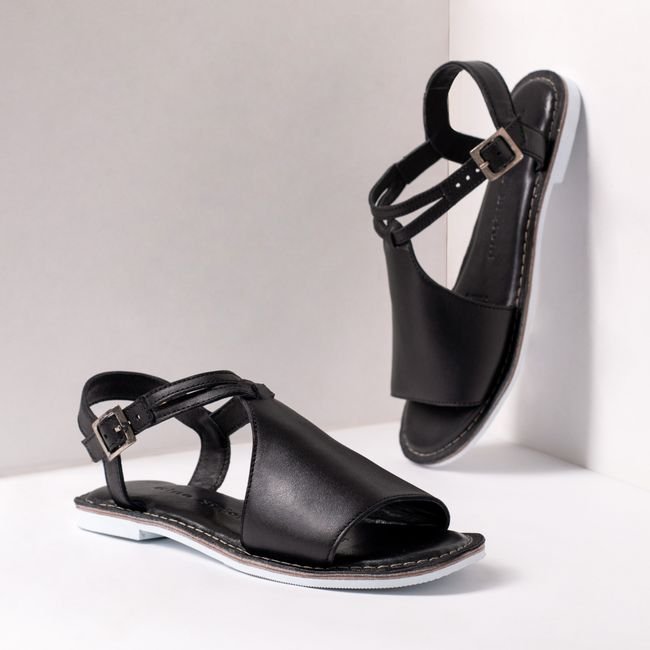
Elegant and Cushioned Flats: For those seeking a more polished look without sacrificing comfort, explore flat sandals with well-padded insoles and soft, non-binding straps. Block heels, espadrilles with cushioned platforms, and embellished flats with supportive footbeds can elevate your summer wardrobe.
-
The Power of the Wedge: Wedge sandals can offer a comfortable way to add height. Look for wedges with a lower pitch and a wider base for stability. Cork or espadrille wedges often provide a good balance of style and comfort.
Key Features to Look For in Specific Sandal Types:
-
Walking Sandals: Prioritize excellent arch support, a shock-absorbing midsole, and a secure, adjustable fit. Multiple strap points can help distribute pressure and prevent slippage.
-
Beach Sandals: Look for quick-drying, water-resistant materials. Good traction is essential for slippery surfaces. Easy to slip on and off is also a bonus.
-
Dressy Sandals: While often prioritizing aesthetics, many brands are now incorporating comfort features into their dressier styles. Seek out sandals with cushioned insoles, soft leather or fabric straps, and a stable heel.
Brands Championing Comfort and Style:
Several brands have built their reputation on delivering exceptional comfort without compromising on aesthetics.
-
Birkenstock: A long-standing leader in orthopedic footwear, Birkenstock is synonymous with comfort. Their signature contoured cork footbed provides unparalleled arch support and molds to the wearer’s foot over time.
-
Vionic: Vionic specializes in podiatrist-designed footwear that offers advanced arch support and motion control. Their sandals are a fantastic option for individuals experiencing foot pain or seeking preventative care.
-
FitFlop: FitFlop is known for its “microwobbleboard” technology, which aims to absorb shock and distribute pressure evenly. Their sandals often feature cushioned footbeds and supportive designs.
-
Teva: A pioneer in outdoor footwear, Teva offers durable and comfortable sandals built for adventure. Their adjustable strap systems and cushioned soles make them ideal for active pursuits.
-
OluKai: Combining Hawaiian heritage with modern design, OluKai sandals are crafted with premium materials and feature anatomically contoured footbeds for superior comfort.
-
Ecco: Ecco is renowned for its commitment to quality and comfort, utilizing innovative technologies and premium leathers to create durable and supportive footwear.
Tips for Maximizing Sandal Comfort:
-
Try Before You Buy: Always try on sandals before purchasing, preferably later in the day when your feet are slightly swollen. Walk around the store to assess the fit and feel.
-
Break Them In Gradually: Even the most comfortable sandals may require a short break-in period. Wear them for short periods initially, gradually increasing the duration to allow your feet to adapt.
-
Consider Orthotics: If you require additional support, many sandals have removable insoles, allowing you to insert custom or over-the-counter orthotics.
-
Proper Foot Care: Keeping your feet clean and moisturized can prevent blisters and discomfort. Trim your toenails regularly.
-
Listen to Your Feet: Pay attention to any signs of discomfort, rubbing, or pain. Don’t force yourself to wear uncomfortable shoes.
By understanding the fundamental elements of sandal design, exploring the diverse range of materials, and being aware of brands that prioritize comfort, you can confidently step into summer with footwear that supports your feet and enhances your enjoyment of the season. The perfect comfortable sandal is not a myth; it’s a well-researched choice that leads to happy, healthy feet all summer long.