
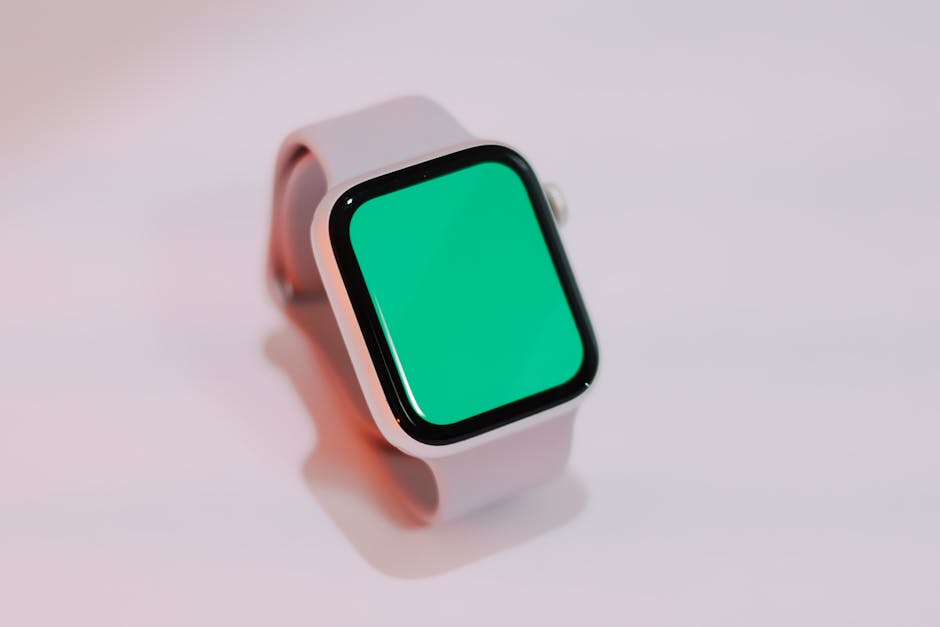
Original Apple Watch Price: A Blast from the Past and Its Lasting Impact
The original Apple Watch, launched on April 24, 2015, was a seismic event in the burgeoning smartwatch market. It wasn’t merely a new gadget; it was Apple’s ambitious foray into a wearable future, a bold statement about how technology could seamlessly integrate into our lives. Understanding the original Apple Watch price is crucial not just for historical context, but also for appreciating the strategic decisions Apple made and how they shaped consumer perception and the broader wearable industry. This deep dive explores the pricing tiers, the rationale behind them, and the lasting legacy of those initial investment points.
The Tri-Tiered Pricing Strategy: A Calculated Approach
Apple, true to its brand ethos, didn’t offer a single price point for its inaugural smartwatch. Instead, they opted for a sophisticated tri-tiered strategy, catering to different consumer segments and perceived value propositions. This approach was meticulously crafted to appeal to a broad spectrum of potential buyers, from the tech-savvy early adopter to the fashion-conscious individual.
The three distinct models were:
- Apple Watch Sport: This was the entry-level offering, designed for active users and those seeking a functional, durable, and more affordable option.
- Apple Watch: The standard model, positioned as the everyday smartwatch, balancing functionality with a more premium aesthetic.
- Apple Watch Edition: The pinnacle of the lineup, a luxury accessory aimed at a high-net-worth clientele, crafted from precious metals.
Deconstructing the Price Points: What Did You Get for Your Money?
The original Apple Watch price varied significantly across these tiers, reflecting differences in materials, craftsmanship, and brand positioning.
-
Apple Watch Sport: This model kicked off at a surprisingly accessible $349. For this price, consumers received a watch with an anodized aluminum casing (available in silver, space gray, gold, and rose gold), a durable Ion-X glass display, and a range of colorful fluoroelastomer bands. The Sport model was designed to withstand the rigors of daily life and physical activity, making it the most practical choice for many. Its lower price point was a strategic move to broaden the appeal of the Apple Watch and introduce a wider audience to Apple’s wearable ecosystem.
-
Apple Watch: The standard Apple Watch began at $549 and could climb to $1,099 or more depending on the case material (stainless steel or space black stainless steel), case size (38mm or 42mm), and the chosen band. This tier offered a more refined look and feel, with a sapphire crystal display – significantly more scratch-resistant than the Ion-X glass of the Sport model. The stainless steel casing provided a premium heft and a polished aesthetic that appealed to a broader audience seeking a device that could transition from the gym to a business meeting. The price range here reflected the increasing value placed on materials and design, a hallmark of Apple’s product philosophy.
-
Apple Watch Edition: This was where the price truly soared, starting at an eye-watering $10,000 and reaching up to $17,000. The Edition models were crafted from 18-karat gold (yellow or rose) and featured sapphire crystal displays. They were positioned not just as technology, but as high-end jewelry. This segment was a deliberate play by Apple to establish the Apple Watch as a luxury item, drawing parallels with traditional Swiss watchmaking. The exorbitant price was a statement of exclusivity and aspiration, aiming to capture the attention of a demographic accustomed to premium pricing for fine accessories.
The Rationale Behind the Pricing: More Than Just Hardware
Apple’s pricing strategy for the original Apple Watch was a carefully orchestrated symphony of factors:
-
Brand Perception and Value: Apple has always commanded premium prices, and the Apple Watch was no exception. Even the entry-level Sport model was priced above many existing fitness trackers, signaling that this was a more sophisticated device. The higher tiers reinforced the perception of quality, innovation, and exclusivity.
-
Material Costs and Craftsmanship: The significant price difference between the Sport, standard, and Edition models was directly tied to the materials used. Aluminum is relatively inexpensive, stainless steel is more costly, and 18-karat gold represents a substantial investment in raw materials. The precision engineering and meticulous finishing required for each tier also contributed to the overall cost.
-
Targeting Different Consumer Segments: As mentioned, the tri-tiered approach was designed to cast a wide net. The Sport model aimed to capture the mass market interested in smart functionality, while the standard model appealed to those seeking a blend of technology and style. The Edition model was a bold move to compete in the luxury goods market, a space Apple had previously only dabbled in with accessories.
-
Establishing a New Product Category: The Apple Watch was a pioneer. Apple was essentially creating and defining the modern smartwatch experience. Early pricing often reflects the investment in R&D, the novelty of the technology, and the company’s confidence in its ability to shape the market.
-
Ecosystem Lock-in: While not directly reflected in the price of the watch itself, the pricing also played a role in encouraging users to invest in the Apple ecosystem. The seamless integration with the iPhone and other Apple devices was a key selling point, and owning an Apple Watch further solidified a user’s commitment to Apple’s integrated digital world.
Impact and Legacy: A Foundation for Future Success
The original Apple Watch price, particularly the $349 starting point for the Sport model, was crucial in its initial adoption. While the higher-priced models generated significant buzz and media attention, it was the more accessible Sport model that likely drove the majority of early sales and established a baseline for the smartwatch market.
The tri-tiered approach, though sometimes criticized for its complexity and high top-end prices, proved to be a shrewd move. It allowed Apple to:
- Test the Waters: The varied pricing allowed Apple to gauge consumer willingness to spend on different levels of smartwatches.
- Build Brand Equity: The Edition models, despite low sales volume, generated immense prestige and positioned the Apple Watch as a desirable luxury item.
- Drive Innovation: The success of the initial models provided Apple with the capital and consumer demand to continue investing heavily in research and development, leading to subsequent generations of the Apple Watch with more advanced features and refined designs.
Looking back, the original Apple Watch price was more than just a number; it was a strategic blueprint that laid the groundwork for Apple’s dominance in the wearable technology market. It demonstrated Apple’s ability to innovate, to cater to diverse consumer needs, and to command premium pricing for products that redefined their respective categories. The legacy of those initial price points continues to influence how we perceive smartwatches today, a testament to Apple’s enduring impact on technology and consumer culture.