
Unveiling the Price Tag: What Did the Original Apple Watch Actually Cost?
The original Apple Watch, a device that fundamentally reshaped our perception of wearables and cemented Apple’s dominance in the smartwatch market, was a highly anticipated product. Launched in April 2015, it wasn’t just a technological marvel; it was also a significant investment for early adopters. Understanding the original Apple Watch price is crucial for appreciating its market positioning, the evolution of the smartwatch industry, and the enduring appeal of Apple’s premium approach. This deep dive explores the pricing structure of the first-generation Apple Watch, dissecting its various models and materials, and shedding light on what consumers actually paid for this groundbreaking piece of technology.
The original Apple Watch was not a singular product but rather a tiered offering, designed to cater to a spectrum of consumers and budgets. Apple strategically segmented the lineup into three distinct collections: the Apple Watch Sport, the Apple Watch, and the Apple Watch Edition. This tiered approach allowed for a broad price range, from the relatively accessible to the ultra-luxury, mirroring Apple’s broader product strategy seen in iPhones and Macs.
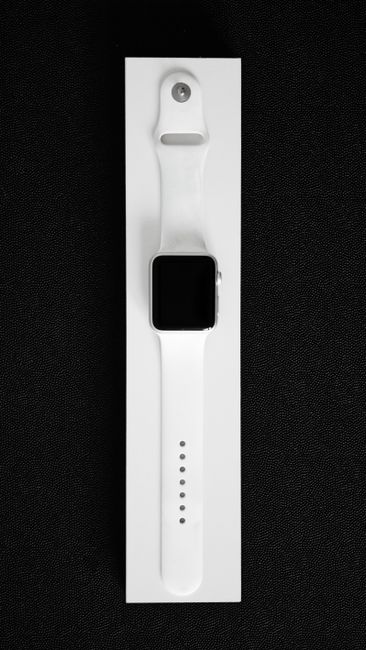
The Apple Watch Sport represented the entry point into the Apple Watch ecosystem. This model was crafted from anodized aluminum, a material chosen for its durability and lightness. The Sport collection was aimed at the active user, those who prioritized functionality and resilience in their wearable technology. The price point for the Apple Watch Sport started at a competitive $349. This figure was significant, placing it in the same price bracket as many mid-range smartphones at the time. For this price, users received a 38mm or 42mm aluminum case, a range of colorful fluoroelastomer bands, and access to all the core smartwatch features: notifications, fitness tracking, heart rate monitoring, Apple Pay, and the ability to run third-party apps. The $349 price tag was for the smaller 38mm model; the larger 42mm version of the Apple Watch Sport cost slightly more, at $399. This price differential for size was a common practice across all Apple Watch collections.
Moving up the ladder, we encounter the standard Apple Watch. This collection was designed to offer a more refined aesthetic and premium feel. The case was constructed from polished stainless steel, a material that exuded a classic watchmaking elegance. The standard Apple Watch was available with a variety of band options, including Milanese Loop, leather, and a stainless steel Link Bracelet, further differentiating it from the Sport model. The pricing for the standard Apple Watch reflected its elevated materials and craftsmanship. The 38mm stainless steel model with a Sport Band began at $549. This price point was a considerable jump from the Sport model, signaling a distinct upgrade in build quality and perceived value. As users opted for more premium bands and larger case sizes, the price increased. For instance, the 42mm stainless steel Apple Watch with a Milanese Loop could reach prices in the $649 to $699 range. The most expensive configurations within the standard Apple Watch collection, such as the stainless steel model with the Link Bracelet, could climb to $1,099. This made the standard Apple Watch a more aspirational purchase, appealing to those who desired a blend of cutting-edge technology and sophisticated design.
At the pinnacle of the original Apple Watch lineup was the Apple Watch Edition. This collection was Apple’s boldest foray into the luxury watch market, aiming to compete with established Swiss watchmakers. The Edition models were crafted from 18-karat gold – either yellow gold or rose gold – a material synonymous with high-end jewelry and timepieces. The Edition was not merely about precious metal; it also featured more elaborate band designs and was presented in luxurious packaging. The price of the Apple Watch Edition was, as expected, stratospheric. The entry-level 38mm 18-karat gold model started at a staggering $10,000. This price immediately positioned the Apple Watch Edition as a status symbol, a statement piece for the ultra-wealthy. The larger 42mm models and those with more intricate gold bands could escalate the price even further, with some configurations reportedly exceeding $17,000. This pricing strategy was a deliberate move by Apple to test the waters of the luxury wearable market and gauge consumer appetite for a high-tech device that also served as a piece of fine jewelry. The Edition models were a clear departure from the typical consumer electronics pricing, aligning them more with traditional luxury goods.
It’s important to note that these were the starting prices for each model. The final cost for a consumer could be higher depending on the chosen case size (38mm vs. 42mm), the specific band material and style, and any additional accessories purchased. Apple’s meticulous attention to detail extended to the band options, each with its own price tag, allowing for further customization and price variation. For example, a standalone Milanese Loop band for the standard Apple Watch cost around $149, and the Link Bracelet was priced at $449.
The original pricing strategy of the Apple Watch was a masterclass in market segmentation and aspiration. By offering a range from $349 to over $17,000, Apple appealed to a broad audience, from tech enthusiasts seeking the latest gadget to fashion-conscious individuals and the ultra-rich. This tiered approach allowed Apple to capture market share across different consumer segments and establish the Apple Watch as a versatile device suitable for various lifestyles and budgets. The success of the original Apple Watch, despite its premium pricing, underscored the power of the Apple brand and its ability to command a premium for innovation, design, and user experience. The initial cost of the Apple Watch remains a significant benchmark in the history of wearable technology, a testament to the product’s ambition and its role in defining the modern smartwatch.