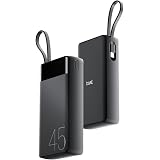
In today’s hyper-connected world, a dead smartphone battery is more than an inconvenience; it’s a digital paralysis. From essential communication and navigation to capturing life’s moments and managing work on the go, our mobile devices are indispensable. This reliance makes the humble power bank a vital companion, a portable reservoir of energy ensuring we remain powered up wherever life takes us. But with a dizzying array of options on the market, how do you choose the power bank that truly meets your needs? This in-depth guide explores the essential features that elevate a power bank from a basic battery booster to a reliable lifeline.
Capacity: The Heart of the Power Bank
The most crucial specification of any power bank is its capacity, measured in milliampere-hours (mAh). This number dictates how many times you can recharge your devices. Understanding your devices’ battery capacities is key to selecting the right power bank. A typical smartphone battery might range from 3,000mAh to 5,000mAh. A power bank with a 10,000mAh capacity can theoretically charge a 3,000mAh phone about 3.3 times. However, it’s important to remember that power banks aren’t 100% efficient; some energy is lost during the charging process.
- Under 5,000mAh: Suitable for topping up a single smartphone once or twice, or for powering smaller devices like earbuds. These are ultra-portable and lightweight.
- 5,000mAh to 10,000mAh: The sweet spot for most users. This capacity can typically charge a standard smartphone 2-3 times, making it ideal for daily commutes, weekend trips, or extended outings.
- 10,000mAh to 20,000mAh: For power users, travelers, or those who need to charge multiple devices. This range offers significant backup power, capable of charging a smartphone multiple times or even a tablet.
- Over 20,000mAh: These are high-capacity behemoths, often resembling portable chargers for laptops or multiple devices simultaneously. They are bulkier but offer unparalleled power reserves for long journeys or situations where access to power is extremely limited.
When choosing capacity, it’s wise to err on the side of slightly more than you think you’ll need. This provides a buffer for unexpected situations and accounts for the natural inefficiencies of power transfer.
Output Ports and Charging Speed: Power Delivery Matters
A power bank’s utility is significantly enhanced by the types and number of output ports it offers, and crucially, the speed at which it can deliver power.
- USB-A Ports: The ubiquitous standard for charging most smartphones, tablets, and other accessories. Look for power banks with multiple USB-A ports if you frequently need to charge several devices simultaneously.
- USB-C Ports: Increasingly common, USB-C offers faster charging speeds and is reversible, meaning you can plug it in either way. Many modern smartphones and laptops utilize USB-C for charging. A power bank with a USB-C output port can often deliver higher wattage, significantly reducing charging times.
- Fast Charging Technologies: This is where real time savings occur. Look for power banks that support popular fast-charging standards:
- Qualcomm Quick Charge (QC): A widely adopted standard for Android devices. QC 3.0 and QC 4+ offer progressively faster charging.
- USB Power Delivery (USB PD): A more versatile standard, particularly prevalent for Apple devices and laptops. USB PD can deliver higher wattage (up to 100W or more) and intelligently negotiates the optimal charging speed with your device.
- Proprietary Fast Charging: Many manufacturers have their own fast-charging technologies (e.g., Samsung’s Adaptive Fast Charging, OnePlus’s Warp Charge). Ensure your power bank is compatible with your device’s specific fast-charging protocol for the best results.
The output wattage (measured in Watts, W) of a port is a key indicator of charging speed. A standard USB-A port might output 5W or 10W. Fast-charging ports can range from 18W to 60W or even higher for USB PD, dramatically cutting down the time it takes to get your devices back to full power.
Input Ports and Recharging Speed: Powering Up the Power Bank
Just as important as how quickly a power bank can charge your devices is how quickly it can be recharged itself. A high-capacity power bank can take a considerable amount of time to replenish its energy reserves.
- Micro-USB Input: The older standard, generally offering slower charging speeds.
- USB-C Input: The modern standard, capable of much faster recharging, especially when paired with a high-wattage wall adapter.
- Fast Recharging: Look for power banks that support fast input charging, ideally via USB-C with Power Delivery. This ensures your power bank is ready to go again in a fraction of the time compared to older models. Some high-capacity power banks even support pass-through charging, allowing you to charge the power bank and a connected device simultaneously.
Build Quality and Durability: A Reliable Companion
A power bank is an investment, and its longevity depends heavily on its construction.
- Materials: Robust materials like ABS plastic, polycarbonate, or even aluminum alloys contribute to durability. A textured finish can improve grip and prevent accidental drops.
- Certifications: Look for safety certifications like CE, FCC, and RoHS. These indicate that the power bank has met stringent safety and environmental standards, protecting against overcharging, overheating, and short circuits.
- Port Protection: Some power banks feature rubberized port covers to protect against dust and moisture, adding an extra layer of resilience for outdoor use.
Portability and Design: Form Meets Function
While capacity and speed are paramount, the physical design and portability of a power bank are also important considerations.
- Size and Weight: For daily carry, a compact and lightweight power bank is essential. Larger capacity units will naturally be bulkier and heavier. Consider where you’ll primarily use the power bank – for your pocket, backpack, or travel bag.
- Aesthetics: While not a functional requirement, many users appreciate a power bank that looks good. Sleek designs, matte finishes, and minimalist aesthetics are popular.
- Indicator Lights: LED indicators are crucial for understanding the remaining charge level of the power bank. Some advanced models offer digital displays for precise battery percentage.
Additional Features: Enhancing the User Experience
Beyond the core functionalities, several additional features can significantly enhance a power bank’s utility:
- Pass-Through Charging: This allows you to charge the power bank and a connected device simultaneously. This is incredibly useful when you only have one wall outlet available, such as in a hotel room.
- Wireless Charging (Qi Certified): Many modern power banks incorporate Qi wireless charging pads, allowing you to charge compatible smartphones and accessories simply by placing them on top. This eliminates the need for cables for supported devices.
- Built-in Cables: Some power banks come with integrated USB-C or Lightning cables, reducing the number of accessories you need to carry.
- LED Flashlight: A surprisingly useful feature, especially during power outages or in dimly lit environments.
- Smart Charging: Advanced power banks can intelligently detect the connected device and deliver the optimal charging speed, ensuring both efficiency and device safety.
- Solar Charging: While less common and often slow, some ruggedized power banks feature solar panels for emergency top-ups in off-grid situations.
By carefully considering these essential features, you can select a power bank that not only keeps your devices alive but also seamlessly integrates into your digital lifestyle, ensuring you’re always connected and powered up for whatever comes your way.
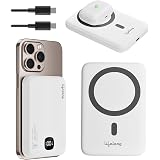
Lifelong Electronics MagSafe Wireless & Wired 10000mAH Power Bank | Fast Charging Powerbank for iPhone, Android & All Qi Devices | Digital Display & Strong Magnet Hold | Magnetic Ring & Cable Included
₹1,290.00 (as of October 25, 2026 23:02 GMT +05:30 - More infoProduct prices and availability are accurate as of the date/time indicated and are subject to change. Any price and availability information displayed on [relevant Amazon Site(s), as applicable] at the time of purchase will apply to the purchase of this product.)
Xiaomi Power Bank 4i 20000mAh 33W Super Fast Charging PD |Smart 12 Layer Protection|Type C Input & Output|Triple Output Ports|Supports Android,Apple, Tablets, Earbuds,Watch(MI Powerbank),Black
₹1,999.00 (as of October 25, 2026 23:02 GMT +05:30 - More infoProduct prices and availability are accurate as of the date/time indicated and are subject to change. Any price and availability information displayed on [relevant Amazon Site(s), as applicable] at the time of purchase will apply to the purchase of this product.)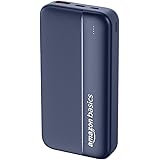
Amazon Basics 20000 mAh Power Bank | 22.5W Fast Charging | Dual Output & Input | Charge 3 Devices Simultaneously | for Smartphones, TWS Earbuds, Speakers, Tablets (Dark Blue), Micro USB Input
₹1,099.00 (as of October 25, 2026 23:02 GMT +05:30 - More infoProduct prices and availability are accurate as of the date/time indicated and are subject to change. Any price and availability information displayed on [relevant Amazon Site(s), as applicable] at the time of purchase will apply to the purchase of this product.)
URBN MegaStack 25000mAh 100W Power Bank | Fast Charging Laptop Charger | with Built-in USB-C Cable | AI Smart TFT Display | Compact Design | Samsung SFC | iPhone, MacBook & Windows (Black)
₹4,999.00 (as of October 25, 2026 23:02 GMT +05:30 - More infoProduct prices and availability are accurate as of the date/time indicated and are subject to change. Any price and availability information displayed on [relevant Amazon Site(s), as applicable] at the time of purchase will apply to the purchase of this product.)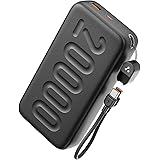
Ambrane 20000mAh Powerbank with in-Build Type C Cable, 22.5W Fast Charging, USB & Type C Output, Power Delivery, Quick Charge for iPhone, Android Mobile & Tablets, Earbuds, (Stylo N20, Black)
₹1,499.00 (as of October 25, 2026 23:02 GMT +05:30 - More infoProduct prices and availability are accurate as of the date/time indicated and are subject to change. Any price and availability information displayed on [relevant Amazon Site(s), as applicable] at the time of purchase will apply to the purchase of this product.)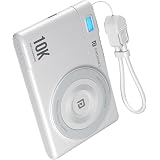
Portronics PowerShutter Air 10K 10000mAh 15W Wireless Magnetic Fast Charging Powerbank, In Built Type Cable,22.5W Type C PD Output,Light Weight,Compatible with iPhone 12 Above,Other Qi Enabled Devices
₹1,099.00 (as of October 25, 2026 23:02 GMT +05:30 - More infoProduct prices and availability are accurate as of the date/time indicated and are subject to change. Any price and availability information displayed on [relevant Amazon Site(s), as applicable] at the time of purchase will apply to the purchase of this product.)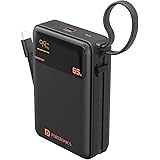
Portronics 65W Ignis 65 20000mAh Fast Charging Powerbank with in-Built Type C Cable for Android Smartphones, iPhones, ipads, Tablets & Macbooks, Type C PD Port, LED Display, Strong Lanyard (Black)
₹1,999.00 (as of October 25, 2026 23:02 GMT +05:30 - More infoProduct prices and availability are accurate as of the date/time indicated and are subject to change. Any price and availability information displayed on [relevant Amazon Site(s), as applicable] at the time of purchase will apply to the purchase of this product.)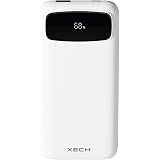
XECH Power Bank 10000mAh with 22.5W Fast Charging (X-Charge PRO, White) | 22.5W USB-A | 20W USB-C (Bidirectional) | Digital display | Charge two devices | Made in India
₹799.00 (as of October 25, 2026 23:02 GMT +05:30 - More infoProduct prices and availability are accurate as of the date/time indicated and are subject to change. Any price and availability information displayed on [relevant Amazon Site(s), as applicable] at the time of purchase will apply to the purchase of this product.)
10000 mAh 15 W Compact Pocket Size Power Bank (Black, Lithium-ion) Black | Lithium-ion Battery, Fast Charging 15W, Portable Design, 10000 mAh Capacity, Pocket Size
₹399.00 (as of October 25, 2026 23:02 GMT +05:30 - More infoProduct prices and availability are accurate as of the date/time indicated and are subject to change. Any price and availability information displayed on [relevant Amazon Site(s), as applicable] at the time of purchase will apply to the purchase of this product.)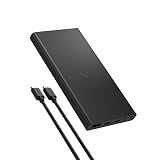
Spigen ArcPack 10000mAh Power Bank, PD3.0, Fast Charging, 22.5W Max Output, 2 Type-C Ports, 1 USB-A Port - (Aluminum, Black)
₹854.00 (as of October 25, 2026 23:02 GMT +05:30 - More infoProduct prices and availability are accurate as of the date/time indicated and are subject to change. Any price and availability information displayed on [relevant Amazon Site(s), as applicable] at the time of purchase will apply to the purchase of this product.)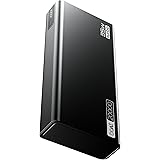
boAt Energyshroom PB435 20000 mAh 35W Super Fast Charging Power Bank, Smart 12 Layer Protection (4X Output Ports, Supports Android, iPhone, Tablets, Earbuds, etc.) (Onyx Black)
Now retrieving the price.
(as of October 25, 2026 23:02 GMT +05:30 - More infoProduct prices and availability are accurate as of the date/time indicated and are subject to change. Any price and availability information displayed on [relevant Amazon Site(s), as applicable] at the time of purchase will apply to the purchase of this product.)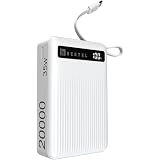
Beetel Power Bank Volte PB35N Nano 20000mAh 35W with Built-in Type C Cable | USB Type C & A port|Multi Protocol support QC PD & More| Apple iPhone 18 Pro,Iphone Duo,Samsung,OnePlus & All Smartphones
₹1,690.00 (as of October 25, 2026 23:02 GMT +05:30 - More infoProduct prices and availability are accurate as of the date/time indicated and are subject to change. Any price and availability information displayed on [relevant Amazon Site(s), as applicable] at the time of purchase will apply to the purchase of this product.)
Compatible Bl5k 1000mah Battery for 105 upi ss|ds | Portable Power
₹299.00 (as of October 25, 2026 23:02 GMT +05:30 - More infoProduct prices and availability are accurate as of the date/time indicated and are subject to change. Any price and availability information displayed on [relevant Amazon Site(s), as applicable] at the time of purchase will apply to the purchase of this product.)
Ambrane Magsafe Wireless 10000Mah Fast Charging Power Bank, Strong Magnet, Micro USB Input, 22.5W Output For Iphone 12 Above, Android & Other Qi Enabled Devices + Magnetic Ring (Aerosync Snap, Purple)
₹1,499.00 (as of October 25, 2026 23:02 GMT +05:30 - More infoProduct prices and availability are accurate as of the date/time indicated and are subject to change. Any price and availability information displayed on [relevant Amazon Site(s), as applicable] at the time of purchase will apply to the purchase of this product.)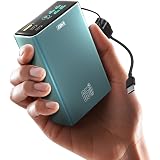
GM G+ DisplayPulse 20000mAh 65W Power Bank | TFT Wattage Display for Ports | Temperature Monitor | 65W Laptop Charging, Phones, Tablets, Aluminium Body, Airline Safe, 1 Year Warranty (Midnight Teal)
₹3,499.00 (as of October 25, 2026 23:02 GMT +05:30 - More infoProduct prices and availability are accurate as of the date/time indicated and are subject to change. Any price and availability information displayed on [relevant Amazon Site(s), as applicable] at the time of purchase will apply to the purchase of this product.)
boAt EnergyShroom PB331 (Magsafe) 10000mAh Magnetic Wireless Powerbank, 15W Wireless & 22.5W Wired Charging for (iPhone 16, 15, 14, 13 & 12, Android & Other Qi Enabled Devices) (Ash Black)
₹1,399.00 (as of October 25, 2026 23:02 GMT +05:30 - More infoProduct prices and availability are accurate as of the date/time indicated and are subject to change. Any price and availability information displayed on [relevant Amazon Site(s), as applicable] at the time of purchase will apply to the purchase of this product.)
URBN 20000mAh Nano 35W Turbo Fast Charging Power Bank Two-Way Fast Charge Metallic Finish 12-Layer Circuit Protection 1 Year Warranty (Black)
₹1,999.00 (as of October 25, 2026 23:02 GMT +05:30 - More infoProduct prices and availability are accurate as of the date/time indicated and are subject to change. Any price and availability information displayed on [relevant Amazon Site(s), as applicable] at the time of purchase will apply to the purchase of this product.)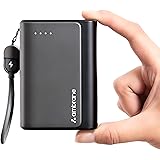
Ambrane 20000mAh 35W Fast Charging Small Pocket Size Powerbank, Hanging InBuilt Type C Cable, Type C PD & USB Output for iPhone, Android Mobiles & Other Devices (PowerMini 20, Black)
₹2,099.00 (as of October 25, 2026 23:02 GMT +05:30 - More infoProduct prices and availability are accurate as of the date/time indicated and are subject to change. Any price and availability information displayed on [relevant Amazon Site(s), as applicable] at the time of purchase will apply to the purchase of this product.)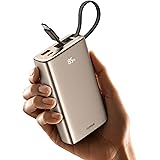
Noise Newly Launched India's 1st Power Bank 20000mAh 45W Ultra Fast Charging: Built-in Type-C Cable, Digital Battery%, Advanced Safety, Metallic Finish, Triple Output, BIS Certified (Titanium)
₹2,499.00 (as of October 25, 2026 23:02 GMT +05:30 - More infoProduct prices and availability are accurate as of the date/time indicated and are subject to change. Any price and availability information displayed on [relevant Amazon Site(s), as applicable] at the time of purchase will apply to the purchase of this product.)