
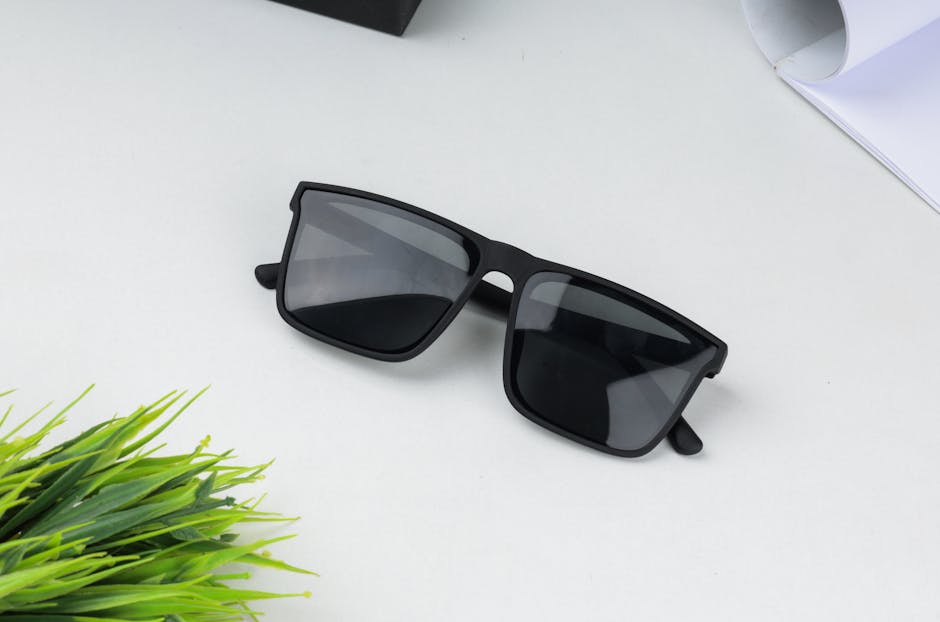
Men’s UV Protection Sunglasses: A Buyer’s Guide
In the relentless glare of the sun, safeguarding your vision is paramount, and for men, sunglasses are more than a fashion statement; they are an essential piece of protective eyewear. Beyond their aesthetic appeal, high-quality sunglasses offer critical defense against the damaging effects of ultraviolet (UV) radiation. This comprehensive guide will equip you with the knowledge to make an informed purchase, ensuring your eyes receive the best possible protection while complementing your personal style.
Understanding UV Radiation and Its Impact on Eyes
The sun emits three types of UV radiation: UVA, UVB, and UVC. While the Earth’s ozone layer effectively blocks UVC, UVA and UVB rays penetrate the atmosphere and can cause significant harm to your eyes.
- UVA Rays: These longer wavelengths penetrate deep into the eye, reaching the retina. Prolonged exposure to UVA rays contributes to premature aging of the eye, increasing the risk of cataracts and macular degeneration, a leading cause of vision loss in older adults.
- UVB Rays: These shorter, more intense wavelengths primarily affect the cornea and lens. They are the main culprit behind sunburn of the eye, medically known as photokeratitis (or snow blindness), which causes temporary pain, redness, and blurred vision. Long-term UVB exposure also accelerates cataract formation.
The Crucial Role of UV Protection in Sunglasses
Not all sunglasses are created equal. The most vital feature to look for is effective UV protection. This is typically indicated by labels such as:
- 100% UV Protection: This signifies that the lenses block all harmful UVA and UVB rays.
- UV400: This is a standard that ensures lenses block light rays up to 400 nanometers, effectively covering the entire spectrum of harmful UV radiation.
It is crucial to understand that the darkness of the lens tint does not correlate with UV protection. Dark lenses can provide comfort by reducing glare, but without proper UV filtering, they can be detrimental. In fact, dark lenses can cause the pupils to dilate, allowing more harmful UV rays to enter the eye if the lenses lack adequate UV protection. Therefore, always prioritize the UV protection rating over the tint darkness.
Key Features to Consider When Buying Men’s UV Protection Sunglasses
Beyond UV protection, several other factors contribute to the quality, comfort, and functionality of sunglasses:
1. Lens Material:
- Polycarbonate: Lightweight, impact-resistant, and naturally offer good UV protection. They are an excellent choice for active lifestyles, sports, and children due to their durability and safety. However, they can be prone to scratching.
- CR-90 (Plastic): A common and affordable lens material. It offers good optical clarity and can be treated with UV coatings. It is less impact-resistant than polycarbonate.
- Glass: Offers superior scratch resistance and optical clarity but is heavier and more prone to shattering. Not ideal for sports or activities where impact is a risk.
- Trivex: A newer material that combines the benefits of polycarbonate (lightweight, impact-resistant) with superior optical clarity and scratch resistance. It’s often considered a premium lens option.
2. Lens Coatings:
- Anti-Scratch Coating: A transparent layer applied to the surface of the lens to enhance its resistance to minor abrasions and scratches. Essential for maintaining clarity and extending the lifespan of your sunglasses.
- Polarized Lenses: These lenses have a special filter that blocks horizontal light waves, significantly reducing glare reflected off surfaces like water, snow, roads, and car hoods. This enhances visual clarity, reduces eye strain, and improves depth perception. While not directly related to UV protection, polarization is a highly desirable feature for comfort and visual performance, especially for activities like driving, fishing, and boating. Polarization does not inherently block UV rays; it must be combined with UV protection.
- Anti-Reflective (AR) Coating: Applied to the back surface of the lens, this coating reduces distracting reflections and glare from the back of the lens, improving visual acuity and comfort.
- Hydrophobic/Oleophobic Coating: Repels water and oil, making lenses easier to clean and resistant to smudges from fingerprints and dirt.
3. Frame Material and Design:
The frame not only dictates the style but also impacts comfort, durability, and fit.
- Acetate: A flexible, hypoallergenic, and durable plastic derived from cotton. It offers a wide range of colors and patterns and is often used for higher-end acetate frames.
- Nylon: Lightweight, flexible, and impact-resistant, making it ideal for sports and casual wear.
- Metal (e.g., Aluminum, Stainless Steel, Titanium): Offers durability and a classic aesthetic. Titanium is particularly lightweight, strong, and corrosion-resistant, making it a premium choice.
- Rubber/Silicone: Often used for nose pads and temple tips to provide a secure, non-slip grip, especially during physical activity or in humid conditions.
Frame Styles for Men:
- Aviator: A timeless classic, characterized by its large, teardrop-shaped lenses and thin metal frame. Versatile and suits most face shapes.
- Wayfarer: Another iconic style with a thicker, trapezoidal frame. Offers a bolder, retro look.
- Square/Rectangular: Offers a modern, sharp aesthetic and is well-suited for rounder or oval face shapes.
- Round: A vintage-inspired style that can add a softer touch to angular faces.
- Wraparound: Designed to hug the face, providing maximum peripheral coverage and protection, making them ideal for sports and outdoor activities where wind and debris are a concern.
4. Fit and Comfort:
- Temple Length: The temples (arms) should be long enough to rest comfortably behind your ears without digging in or feeling too loose.
- Bridge Fit: The bridge of the sunglasses should sit comfortably on your nose without pinching or leaving red marks. Consider adjustable nose pads for a customized fit.
- Weight: Lighter frames are generally more comfortable for extended wear.
- Coverage: Ensure the sunglasses provide adequate coverage for your eyes and the surrounding skin, especially on the sides, to prevent UV rays from sneaking in.
5. Lens Color:
While UV protection is paramount, lens color can affect visual perception and comfort in different lighting conditions.
- Gray: The most neutral color. It reduces brightness without distorting color perception. Excellent for everyday wear and driving.
- Brown/Amber: Enhances contrast and depth perception, making them good for driving, cycling, and general outdoor use, especially in variable light conditions.
- Green: Offers good contrast and color accuracy, similar to gray but with a slightly warmer tone. Suitable for various activities.
- Yellow/Orange: Significantly enhances contrast in low-light conditions, making them ideal for overcast days, fog, or indoor sports. However, they can distort colors in bright sunlight.
- Red/Pink: Can improve contrast and definition in flat light conditions, often favored by skiers and cyclists.
Choosing Sunglasses for Specific Activities:
- Driving: Polarized lenses are highly recommended to reduce glare from the road. Gray or brown lenses are ideal for maintaining accurate color perception. Ensure a good fit that doesn’t obstruct peripheral vision.
- Sports (Running, Cycling, Hiking): Lightweight, durable frames (polycarbonate or Trivex) with a secure fit are essential. Wraparound styles offer excellent coverage and protection from wind and debris. Impact-resistant lenses are crucial.
- Water Sports (Fishing, Boating): Polarized lenses are a must to cut through water glare. Hydrophobic coatings are beneficial for keeping lenses clear. Consider floating frames if there’s a risk of losing them.
- Everyday Wear: Balance style with protection. Choose a frame style that complements your face shape and personal aesthetic, ensuring 100% UV protection.
The Importance of Quality and Longevity:
Investing in high-quality sunglasses with certified UV protection is an investment in your long-term eye health. Cheaper alternatives may offer style but often compromise on crucial protective features. Look for reputable brands known for their commitment to optical quality and UV protection standards. Proper care, including using a microfiber cloth and storing them in a protective case, will significantly extend the life of your sunglasses.
Where to Buy and What to Look For:
- Optical Shops and Optometrists: These are excellent places to purchase sunglasses as they have trained professionals who can assess your needs and recommend suitable options. You can also get your eyes tested here.
- Reputable Sunglass Retailers: Look for stores that clearly display UV protection information and offer a good selection of reputable brands.
- Online Retailers: Exercise caution when buying online. Ensure the retailer has a clear return policy and provides detailed product information, including UV protection ratings and lens specifications. Always check customer reviews.
When examining sunglasses, always look for the UV protection label. If you are unsure, ask a sales associate for clarification. Don’t hesitate to try on different styles and brands to find the perfect combination of protection, comfort, and style that suits you best. Your eyes will thank you for it.