
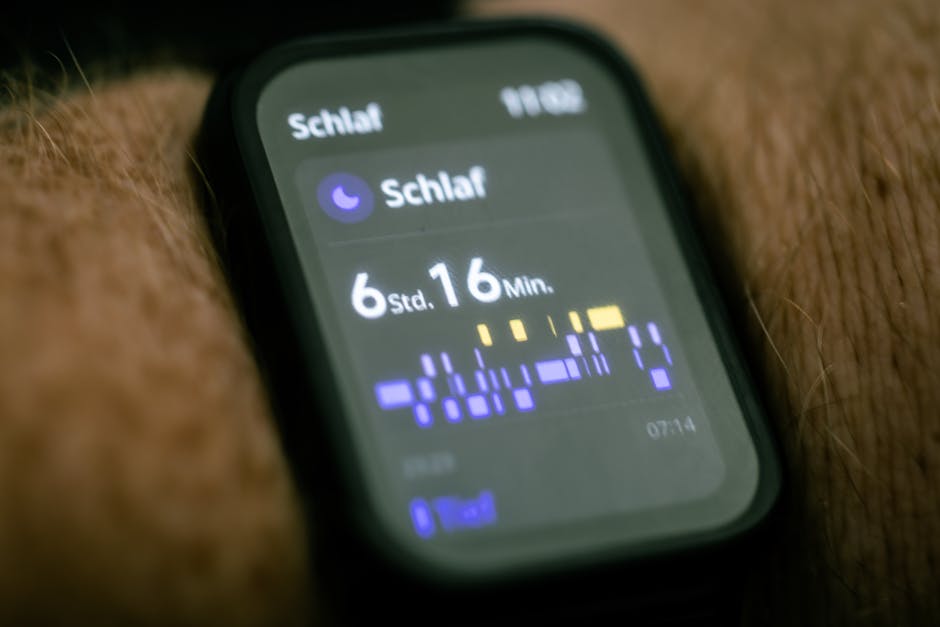
Achieve Restful Nights with These Fitness Bands: Unlocking Deeper Sleep Through Enhanced Recovery
The pursuit of a truly restful night’s sleep is a cornerstone of overall well-being. Beyond the immediate feeling of rejuvenation, quality sleep is intrinsically linked to physical and mental health, cognitive function, and even immune system strength. While numerous factors influence our slumber, including diet, stress levels, and sleep hygiene, the role of physical activity – and specifically how we approach recovery – is often underestimated. This is where the humble fitness band can become an unexpected ally in your quest for deeper, more restorative sleep.
Far from being mere step counters, modern fitness bands are sophisticated wearable devices capable of tracking a wealth of physiological data. This data, when interpreted correctly, can provide invaluable insights into your body’s recovery processes, enabling you to make informed adjustments to your fitness routine and lifestyle that directly promote better sleep. This article delves into how specific features of fitness bands can be leveraged to achieve truly restful nights, exploring the science behind the connection and offering practical strategies for optimizing your sleep through intelligent training and recovery.
Understanding the Sleep-Fitness Nexus: The Science Behind the Connection
The relationship between exercise and sleep is bidirectional and complex. Regular physical activity, particularly moderate-intensity exercise, has a well-documented positive impact on sleep quality. It can help regulate your circadian rhythm, the body’s internal 24-hour clock, promoting a more consistent sleep-wake cycle. Exercise also contributes to a deeper, more consolidated sleep architecture, meaning you spend more time in the crucial slow-wave sleep (SWS) and REM sleep stages, which are vital for physical repair and cognitive processing, respectively.
However, the timing and intensity of your workouts play a significant role. Overtraining or exercising too close to bedtime can have the opposite effect, leading to increased heart rate, elevated body temperature, and a surge of adrenaline, all of which can make it difficult to fall asleep and stay asleep. This is where fitness bands become indispensable tools. They provide objective data that helps you understand your body’s response to exercise and recovery, allowing you to fine-tune your approach for optimal sleep benefits.
Key Fitness Band Features for Sleep Optimization:
-
Heart Rate Variability (HRV): The Body’s Recovery Barometer
Heart Rate Variability (HRV) measures the time interval between consecutive heartbeats. A higher HRV generally indicates a more resilient and well-recovered nervous system, while a lower HRV can signal stress, fatigue, or illness. For sleep optimization, HRV is a game-changer.
- How it Works: Many advanced fitness bands, such as those from Garmin, Oura Ring, and Whoop, continuously monitor your HRV throughout the day and night. They analyze trends and provide a daily recovery score based on your HRV, resting heart rate, and sleep quality.
- Actionable Insights:
- Identify Overtraining: If you consistently see a dip in your HRV after a particularly intense workout or a series of demanding training sessions, it’s a clear signal that your body is under stress and may need a lighter day or a rest day. Pushing harder when your HRV is low can lead to burnout and negatively impact sleep.
- Optimize Workout Intensity: By tracking your HRV before and after workouts, you can gauge how well your body is adapting. If your HRV recovers quickly after a session, it suggests your body is handling the load effectively. If it remains suppressed, consider reducing the intensity or duration of future workouts.
- Personalized Training Windows: Some advanced bands offer insights into your optimal training windows based on your recovery status. If your HRV is consistently high in the morning, you might find morning workouts more beneficial for recovery and sleep.
- Listen to Your Body (Quantitatively): HRV provides objective data to complement subjective feelings. If you feel tired but your HRV is high, you might still be able to push through a moderate workout. Conversely, if you feel relatively fine but your HRV is low, it’s a strong indicator to prioritize rest.
-
Sleep Tracking: Beyond Duration to Quality
Modern fitness bands have moved far beyond simply counting hours slept. They now offer detailed breakdowns of your sleep stages, including Light Sleep, Deep Sleep, and REM Sleep, along with metrics like sleep onset latency (how long it takes to fall asleep) and awakenings.
- How it Works: Using a combination of accelerometers and heart rate sensors, fitness bands can detect movement patterns and physiological changes associated with different sleep stages.
- Actionable Insights:
- Identify Sleep Disruptors: If you notice a significant decrease in deep sleep or REM sleep on nights following late-night workouts, it’s a strong indicator that your exercise timing is interfering with your sleep architecture.
- Evaluate Workout Impact on Sleep Stages: Compare your sleep stage data on days with different workout intensities and timings. Are your deep sleep percentages consistently lower after high-intensity interval training (HIIT) performed in the evening? This suggests a need to shift such workouts earlier in the day.
- Track Sleep Consistency: Aim for a consistent sleep schedule. Fitness bands can help you monitor your sleep and wake times, highlighting any deviations that might be disrupting your natural circadian rhythm.
- Quantify the Benefits of Restorative Activities: If you incorporate active recovery methods like stretching or yoga, track your sleep afterwards. You might observe improvements in your sleep quality metrics, reinforcing the value of these practices.
-
Resting Heart Rate (RHR): A Baseline for Health and Recovery
Your Resting Heart Rate (RHR) is the number of times your heart beats per minute when you are at complete rest. A lower RHR generally indicates a more efficient cardiovascular system and better overall fitness.
- How it Works: Fitness bands continuously monitor your heart rate, allowing them to calculate your average RHR, particularly during periods of inactivity and sleep.
- Actionable Insights:
- Monitor Training Load: A gradual increase in RHR can be an early sign of overtraining or impending illness. If your RHR is consistently elevated above your baseline, it might be time to ease up on your training intensity and focus on recovery.
- Assess Recovery Effectiveness: A well-recovered body typically has a lower RHR. If your RHR is trending down after a period of rest or lighter training, it suggests your body is effectively recovering.
- Identify Stressors: Factors beyond exercise, such as poor sleep, stress, or dehydration, can also elevate RHR. By tracking your RHR alongside your sleep data, you can gain a more holistic understanding of what might be impacting your recovery.
-
Body Temperature Tracking: A Subtle Sleep Indicator
While not as universally available as other metrics, some advanced fitness bands and wearables (like the Oura Ring) can track subtle changes in body temperature. Body temperature naturally fluctuates throughout the day, with a slight dip occurring before sleep and during the night.
- How it Works: These devices use sensitive sensors to detect peripheral skin temperature changes, which can correlate with core body temperature fluctuations.
- Actionable Insights:
- Circadian Rhythm Alignment: Deviations in your body temperature patterns can indicate a disrupted circadian rhythm. If your body temperature doesn’t drop as expected in the evening, it might be harder to fall asleep.
- Impact of Evening Exercise: Intense exercise close to bedtime can elevate your core body temperature, making it more difficult to initiate sleep. Tracking temperature can help you see this effect directly.
- Identify Illness: A sustained rise in body temperature can be an early indicator of illness, allowing you to prioritize rest and recovery before symptoms become severe.
Strategies for Achieving Restful Nights with Your Fitness Band:
-
The Golden Rule: Avoid High-Intensity Workouts Within 2-3 Hours of Bedtime.
- Fitness Band Application: Use your sleep tracking data to confirm this. If you consistently see reduced deep sleep or REM sleep on nights after evening HIIT sessions, it’s a clear signal to adjust your schedule. Monitor your HRV and RHR; if they remain elevated after an evening workout, it further supports the need for an earlier training window.
-
Embrace Active Recovery:
- Fitness Band Application: Incorporate activities like light walking, stretching, or foam rolling. Track your sleep quality on days you incorporate active recovery. You might observe improvements in sleep duration, deep sleep, and overall sleep scores, validating the effectiveness of these practices.
-
Listen to Your Recovery Scores:
- Fitness Band Application: Most advanced bands provide a daily “readiness” or “recovery” score. On days when this score is low, opt for lighter workouts or complete rest. Pushing hard when your body is already fatigued will hinder recovery and negatively impact sleep.
-
Prioritize Consistency:
- Fitness Band Application: Use your sleep tracking to maintain a consistent sleep and wake schedule, even on weekends. Observe how deviations from your routine impact your sleep metrics and HRV.
-
Hydration and Nutrition Matters (Indirectly Tracked):
- Fitness Band Application: While fitness bands don’t directly measure hydration or nutrition, they can highlight the consequences of poor choices. For instance, dehydration can lead to a higher RHR and disrupted sleep. Poor nutrition can impact HRV and overall recovery. Use your band’s data to infer the impact of these lifestyle factors on your sleep.
-
Understand Your Training Load:
- **Fitness Band Application