
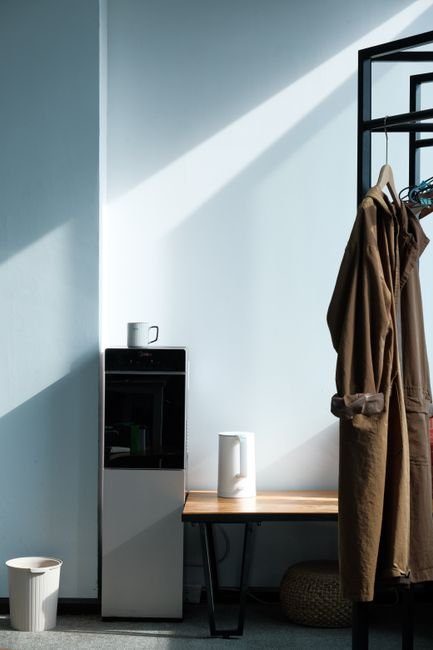
Instant Cold, Pure Water: The Ultimate Guide to Cooling Water Purifiers
The pursuit of pristine, refreshingly cold water at the touch of a button is no longer a luxury but a cornerstone of modern healthy living. Cooling water purifiers have revolutionized how we hydrate, offering a convenient and sophisticated solution to access both purified and chilled water simultaneously. This comprehensive guide delves into the intricate world of these advanced appliances, exploring their technology, benefits, selection criteria, and maintenance, empowering you to make an informed decision for your home or office.
Understanding the Technology: The Magic Behind the Chill
At its core, a cooling water purifier combines two essential functions: water purification and water chilling. The purification process typically employs a multi-stage filtration system designed to eliminate a wide spectrum of contaminants. Common stages include:
- Sediment Filtration: This initial stage removes larger particles like sand, rust, and silt, preventing them from clogging subsequent filters and improving the clarity of the water.
- Activated Carbon Filtration: Utilizing the adsorptive properties of activated carbon, this stage effectively removes chlorine, volatile organic compounds (VOCs), pesticides, herbicides, and unpleasant odors and tastes. This is crucial for improving the palatability of your drinking water.
- Reverse Osmosis (RO) (Optional but highly effective): For the highest level of purification, many advanced models incorporate RO membranes. This semi-permeable membrane forces water through under pressure, leaving behind dissolved solids, heavy metals (like lead and arsenic), bacteria, viruses, and other microscopic impurities. While incredibly effective, RO systems can sometimes remove beneficial minerals.
- Ultrafiltration (UF) (Alternative to RO): UF offers a balance between sediment filtration and RO, removing bacteria, viruses, and larger suspended solids without stripping away essential minerals. It operates at lower pressure than RO, making it more energy-efficient in some cases.
- UV Sterilization (Optional): Ultraviolet light is a powerful germicidal agent that inactivates bacteria, viruses, and other microorganisms by disrupting their DNA. This final stage ensures a microbiologically safe water supply.
Once purified, the water enters the chilling mechanism. This usually involves a refrigeration system similar to that found in your refrigerator or a dedicated thermoelectric cooling (TEC) module.
- Refrigeration Systems: These systems use a compressor, refrigerant, and evaporator to cool the water. They are highly efficient and can achieve very low temperatures, but they tend to be larger and consume more energy.
- Thermoelectric Cooling (TEC) Modules: Also known as Peltier coolers, these solid-state devices use the Peltier effect to create a temperature difference when an electric current is applied. They are compact, quiet, and vibration-free, making them ideal for smaller units. However, they are generally less energy-efficient and may not achieve as low temperatures as compressor-based systems.
The purified and chilled water is then stored in a dedicated tank, ready for dispensing. The dispensing mechanism is usually a simple push-button or lever system, providing instant access to cold, pure hydration.
The Multifaceted Benefits of Cooling Water Purifiers
The advantages of integrating a cooling water purifier into your daily routine are numerous and impactful:
- Unparalleled Convenience: The primary allure is the immediate availability of cold, purified water. No more waiting for the refrigerator to chill bottles or cups, and no more running the tap until the water cools. This is a significant time-saver, especially during busy mornings or after physical activity.
- Enhanced Health and Well-being: Access to consistently purified water significantly reduces your exposure to harmful contaminants found in tap water, such as chlorine, lead, bacteria, and viruses. This contributes to better overall health, improved digestion, and a stronger immune system. The cool temperature can also be more appealing, encouraging greater water intake.
- Cost-Effectiveness: While the initial investment might seem higher than basic filters, cooling water purifiers offer long-term savings. They eliminate the recurring cost of bottled water, which is not only expensive but also environmentally detrimental. You also save on electricity compared to constantly chilling water in the refrigerator.
- Environmental Responsibility: By eliminating the need for single-use plastic water bottles, you significantly reduce your plastic waste footprint. This is a crucial step towards a more sustainable lifestyle.
- Improved Taste and Odor: The advanced filtration processes effectively remove impurities that contribute to unpleasant tastes and odors in tap water, making every sip a more enjoyable experience.
- Space-Saving Solutions: Many modern cooling water purifiers are designed to be compact and countertop-friendly, integrating seamlessly into your kitchen or office space. They often replace the need for a separate water filter pitcher and a dedicated space in the refrigerator for chilling water bottles.
- Versatility: Beyond drinking water, the availability of cold, purified water can be beneficial for preparing cold beverages, instant coffee, tea, and even for cooking where purified water is desired.
Selecting the Right Cooling Water Purifier: A Buyer’s Blueprint
Choosing the ideal cooling water purifier involves a careful assessment of your needs and preferences. Consider these critical factors:
- Purification Technology: Determine the level of purification required. If your tap water has known issues with heavy metals or specific contaminants, an RO system is highly recommended. For general improvement, UF or advanced carbon filtration might suffice. Consider models with UV sterilization for an extra layer of microbial safety.
- Cooling Capacity and Speed: Evaluate how much cold water you typically consume and how quickly you need it. Consider the tank capacity for chilled water and the time it takes to cool a full tank. For larger households or offices, higher cooling capacity is essential.
- Filtration Stages and Lifespan: Examine the number and type of filtration stages offered. Research the lifespan of each filter and the cost of replacement. Look for models with indicators that signal when filters need changing.
- Energy Efficiency: While cooling requires energy, some models are more efficient than others. Look for Energy Star certifications or compare the power consumption ratings of different units. TEC-based coolers are generally more energy-efficient for smaller capacities.
- Design and Size: Consider the available space in your kitchen or office. Countertop models are popular, but under-sink or wall-mounted options might be more suitable for some. Choose a design that complements your décor.
- Ease of Use and Maintenance: Opt for a purifier with intuitive controls and straightforward filter replacement procedures. Regular cleaning and maintenance are crucial for optimal performance and longevity.
- Brand Reputation and Warranty: Research reputable brands known for their quality and customer support. A good warranty provides peace of mind and protection against manufacturing defects.
- Budget: Cooling water purifiers vary significantly in price depending on their features, purification technology, and brand. Set a realistic budget and find a model that offers the best value for your money.
- Water Pressure (for RO): If considering an RO system, ensure your home’s water pressure meets the manufacturer’s recommendations for optimal performance. Some RO systems come with booster pumps to compensate for low water pressure.
Maintenance: Ensuring Peak Performance and Longevity
Regular maintenance is paramount to ensure your cooling water purifier continues to deliver crisp, pure, and cold water for years to come. Neglecting maintenance can lead to diminished performance, compromised water quality, and potential damage to the appliance.
- Filter Replacement: This is the most critical maintenance task. Follow the manufacturer’s recommended schedule for replacing sediment, carbon, RO membranes, and UF filters. Ignoring this can lead to clogged filters, reduced flow rate, and ineffective purification.
- UV Lamp Replacement (if applicable): UV lamps have a finite lifespan. Replace them according to the manufacturer’s guidelines to maintain their germicidal efficacy.
- Cleaning the Dispensing Area and Drip Tray: Regularly wipe down the dispensing nozzle and the drip tray with a mild disinfectant to prevent bacterial growth and maintain hygiene.
- Sanitization: Periodically, it’s advisable to sanitize the internal components of the purifier. Many manufacturers provide specific sanitization kits or instructions for this process. This is especially important if the unit has been unused for an extended period.
- Water Tank Cleaning: Depending on the model, you may need to occasionally clean the internal water storage tank. Refer to your user manual for specific instructions.
- Regular Inspection: Visually inspect the unit for any signs of leaks, unusual noises, or wear and tear. Address any issues promptly.
- Water Quality Testing: Periodically test your purified water to ensure it meets your desired purity standards. This can be done using readily available water testing kits.
By adhering to a consistent maintenance schedule, you not only guarantee the quality of your water but also extend the lifespan of your cooling water purifier, making it a worthwhile investment in your health and well-being. The quest for instant cold, pure water is elegantly fulfilled by these advanced appliances, transforming a daily necessity into a refreshing and health-conscious experience.