
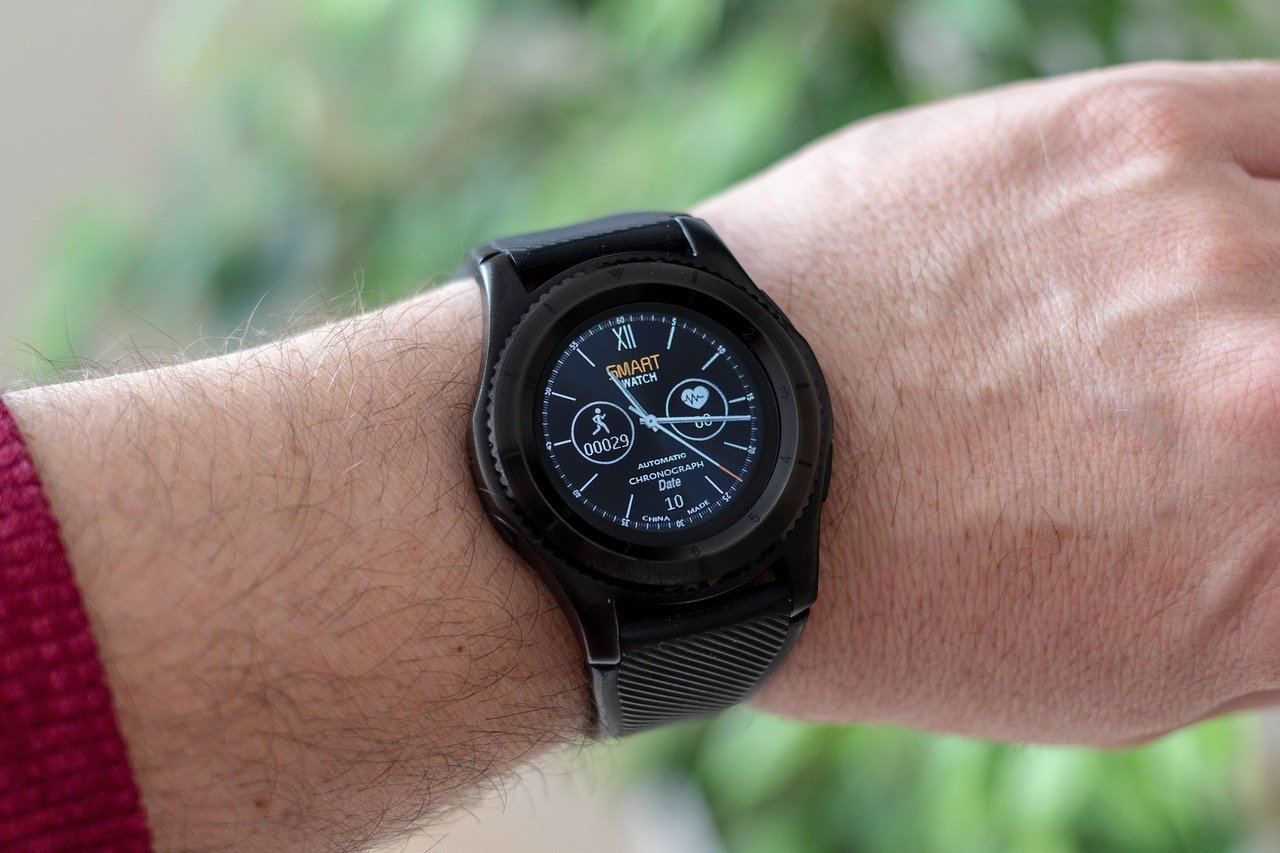
Stay Informed About Your Heart: Smartwatches with Advanced BP Monitoring
The relentless march of technology has brought unparalleled convenience and insight into our daily lives. Among its most impactful applications is the burgeoning field of wearable health monitoring. For centuries, understanding and managing cardiovascular health has been a cornerstone of well-being, yet the tools for consistent, accessible blood pressure (BP) tracking have remained largely confined to clinical settings. This is rapidly changing, however, thanks to the advent of smartwatches equipped with advanced blood pressure monitoring capabilities. These sophisticated devices are transforming how individuals engage with their heart health, offering a proactive and informed approach to a critical aspect of personal wellness.
Gone are the days when BP readings were solely the domain of a doctor’s office visit, often taken under potentially stressful conditions that could skew results. Smartwatches with advanced BP monitoring are democratizing this vital metric, empowering users to gather data in the comfort of their own homes, throughout their day, and even during physical activity. This continuous stream of information provides a far more nuanced and representative picture of an individual’s cardiovascular status than sporadic clinical measurements. The implications for early detection, lifestyle management, and personalized treatment are profound, ushering in a new era of proactive heart health.
The Science Behind Smartwatch BP Monitoring: A Leap Forward
The technology enabling smartwatches to accurately measure blood pressure is a testament to miniaturization and sophisticated sensor development. While traditional BP cuffs rely on occluding an artery and measuring pressure waves, smartwatches employ a combination of optical sensors, electrical sensors, and advanced algorithms.
One of the primary methods involves photoplethysmography (PPG). PPG sensors, typically found on the underside of the watch, emit light into the skin and measure the amount of light absorbed or reflected. This light absorption varies with the pulsatile flow of blood in the arteries. As the heart pumps blood, the arteries expand, and as the pressure drops, they contract. PPG can detect these subtle changes in blood volume, which are directly related to blood pressure.
However, PPG alone is often insufficient for precise BP measurement. This is where the integration of electrocardiogram (ECG) sensors comes into play. ECG sensors detect the electrical activity of the heart, providing information about its rhythm and the timing of each heartbeat. By analyzing the pulse transit time (PTT) – the time it takes for a pulse wave to travel from the heart to a peripheral artery – in conjunction with PPG data, smartwatches can infer blood pressure. The faster the pulse wave travels (shorter PTT), generally the higher the blood pressure.
Furthermore, advanced smartwatches often incorporate oscillometric methods, albeit in a miniaturized and non-invasive form. These watches may use a small inflatable cuff or a pressure sensor that applies gentle pressure to the wrist. By detecting the subtle vibrations and pressure changes as blood flow is momentarily affected, sophisticated algorithms can then calculate systolic and diastolic blood pressure.
The true innovation lies in the proprietary algorithms that process the raw sensor data. These algorithms are trained on vast datasets and are continuously refined to account for individual physiological variations, movement artifacts, and environmental factors. Machine learning plays a crucial role here, enabling the watch to learn the user’s unique BP patterns and adapt its measurements for greater accuracy over time. Calibration, often requiring an initial setup with a traditional cuff, is a vital step to ensure the smartwatch’s readings are aligned with established clinical standards.
Benefits of Proactive BP Monitoring with Smartwatches
The advantages of integrating advanced BP monitoring into a smartwatch are multifaceted and directly impact an individual’s ability to manage their cardiovascular health effectively.
- Early Detection and Intervention: High blood pressure, or hypertension, is often asymptomatic, earning it the moniker “the silent killer.” By providing regular, accessible BP readings, smartwatches can alert users to persistently elevated levels, prompting them to seek medical attention sooner. Early detection is paramount for preventing serious complications such as heart attack, stroke, kidney disease, and vision loss.
- Lifestyle Modification Insights: Understanding how daily activities, diet, exercise, and stress affect blood pressure is crucial for effective management. Smartwatches allow users to correlate their BP readings with specific lifestyle choices. For instance, a user might notice their BP spikes after a high-sodium meal or a particularly stressful workday. This direct feedback loop empowers them to make informed adjustments to their habits, leading to sustainable improvements.
- Enhanced Treatment Adherence: For individuals already diagnosed with hypertension, smartwatches can serve as a powerful tool for monitoring the effectiveness of prescribed medications and lifestyle changes. Consistent tracking can help identify if treatment is working as intended or if adjustments are needed, fostering better communication with healthcare providers.
- Reduced Healthcare Burden: By enabling proactive self-monitoring and early intervention, smartwatches have the potential to reduce the frequency of emergency room visits and hospitalizations related to cardiovascular events. This not only benefits individuals by improving their quality of life but also contributes to a more efficient and less burdened healthcare system.
- Empowerment and Peace of Mind: Knowledge is power, and knowing your BP status can significantly reduce anxiety. For individuals with a family history of heart disease or those concerned about their cardiovascular health, the ability to monitor their BP regularly can provide immense peace of mind and a sense of control over their well-being.
- Improved Doctor-Patient Communication: The data collected by smartwatches can be invaluable for healthcare professionals. Instead of relying on infrequent and potentially unrepresentative readings, doctors can access a comprehensive history of a patient’s BP trends, activity levels, and even sleep patterns. This richer dataset facilitates more accurate diagnoses, personalized treatment plans, and more effective management strategies.
Choosing the Right Smartwatch for Advanced BP Monitoring
As the market for smartwatches with advanced BP monitoring expands, consumers have a growing array of options. However, not all devices are created equal, and careful consideration is necessary to select a model that best suits individual needs and priorities.
- Accuracy and Validation: This is the most critical factor. Look for smartwatches that have undergone rigorous clinical validation and have received regulatory clearance from bodies like the FDA (in the US) or CE marking (in Europe). Manufacturers should provide clear information about their validation studies and the accuracy of their BP measurements.
- Calibration Process: Understand the calibration requirements. Most devices will need to be calibrated against a traditional BP cuff initially. Some offer more frequent or automated recalibration options. A simple and straightforward calibration process is desirable.
- Ease of Use: The interface for taking BP readings should be intuitive and easy to navigate. The process should be quick and not overly disruptive to daily activities.
- Data Management and Sharing: Consider how the collected data is stored, analyzed, and if it can be easily shared with healthcare providers. Look for companion apps that offer clear visualizations of BP trends, historical data, and the ability to export reports.
- Additional Health Features: Beyond BP monitoring, assess other features that align with your health goals. This might include heart rate monitoring, ECG capabilities, sleep tracking, blood oxygen saturation (SpO2) measurement, and various fitness tracking modes.
- Battery Life and Design: Practical considerations like battery life are important, especially for continuous monitoring. The watch’s design, comfort, and overall aesthetic should also be taken into account for daily wearability.
- Brand Reputation and Reviews: Research the reputation of the manufacturer and read independent reviews from trusted sources. User feedback can offer valuable insights into the real-world performance and reliability of a smartwatch.
The Future of Wearable Cardiovascular Health
The integration of advanced BP monitoring into smartwatches is not a fleeting trend; it represents a significant evolution in personal healthcare. As technology continues to advance, we can anticipate even greater accuracy, more comprehensive data integration, and a deeper understanding of the intricate relationship between our lifestyle and our cardiovascular well-being. Future iterations may incorporate AI-powered predictive analytics to identify individuals at higher risk of cardiovascular events even before overt symptoms appear. The seamless integration of these devices into our daily lives promises a future where managing heart health is not a chore, but an empowered, informed, and proactive part of living a healthy life. This ongoing innovation empowers individuals to take a more active role in their health, fostering a culture of prevention and well-being that extends far beyond the traditional confines of healthcare.