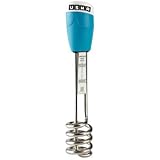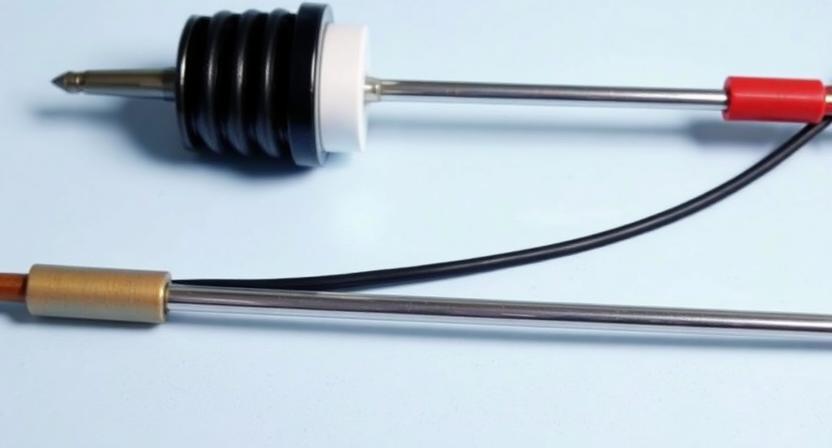
Description: Discover the safety, efficiency, and cost-saving benefits of immersion rods heater for Indian homes. Comprehensive guide on wattage, safety tips, and buying the best model.
🇮🇳 Introduction: Why the Immersion Rod Heater Remains King
In countless Indian households, from bustling metropolitan apartments to resourceful rural homes, the immersion rods heater—often simply called an immersion rod—is the undisputed champion of quick, affordable water heating. Particularly during the chilly winter months across North India, or for quick, small-volume needs year-round, its simplicity and sheer value for money make it an indispensable appliance.
While modern electric geysers offer sophisticated solutions, they come with a higher initial cost and require complex installation. The immersion rod, in contrast, offers instant, portable, and energy-efficient water heating without breaking the bank. It is a powerful example of functional, low-technology engineering perfectly suited to the diverse and dynamic power conditions found across the country.
This expert-driven, in-depth guide is designed to empower the Indian consumer. We will demystify the technology, provide crucial safety insights, break down the running costs, and offer actionable advice on selecting the best immersion rods heater for your specific needs, ensuring you make a smart, informed, and safe purchase.
🔍 Section 1: Understanding Immersion Rods Heater Technology and Functionality
The immersion rod heater operates on a fundamental principle of physics: converting electrical energy directly into thermal energy through resistance.
The Core Mechanism: How an Immersion Rod Heater Works
An immersion rod is essentially a metallic tube housing a heating element—typically made of nichrome (Nickel and Chromium) alloy. Nichrome is chosen because it has a high resistance to electric current and can withstand extremely high temperatures without melting or oxidizing.
- Current Flow: When the plug is switched on, electrical current flows through the nichrome wire inside the metallic tube.
- Resistance Heating: The high resistance of the nichrome wire causes it to generate intense heat (Joule heating, P = 12R).
- Heat Transfer: This heat is then efficiently transferred through the metallic casing and directly into the surrounding water via conduction and convection.
- Quick Results: Because the heating element is directly immersed in the water, heat loss is minimal, leading to incredibly fast heating times compared to traditional external heating methods.
Key Components Defining Quality and Safety
A quality immersion rod is defined by its components, which directly impact both longevity and user safety.
- Heating Element (The Core): Must be corrosion-resistant. Many modern, high-quality rods use copper or brass with a protective plating (like nickel), especially important given the varying mineral content and hard water conditions in different parts of India.
- Insulated Handle: The handle must be made of high-grade, heat-resistant Bakelite or similar polymer. This ensures the user can safely handle the rod without the risk of electric shock or burns, provided the water level is below the handle.
- Power Cord: Look for thick, ISI-marked, and adequately long cords. A poor-quality, thin cord can overheat, leading to a severe fire risk—a crucial safety concern for Indian users.
- Water Level Indicator: Many rods feature a clear marking or a hook to indicate the minimum immersion depth. Never operate the rod unless it is immersed above this minimum line.
⚡ Section 2: Wattage, Efficiency, and Cost Savings – The Economic Advantage
The primary appeal of the immersion rod heater lies in its low purchase cost and its efficiency, which translates into lower electricity bills.
Choosing the Right Wattage: Power vs. Speed
Immersion rods are commonly available in various wattages, typically ranging from 1000W to 2000W. The wattage directly relates to the speed of heating and the amount of power consumed.
| Wattage Range | Ideal Use Case | Heating Speed | Power Consumption |
| 1000W (Low) | Small buckets (10-15 litres), Single-person use, Extremely budget-conscious. | Moderate (Takes longer) | Low (Gentle on wiring) |
| 1500W (Standard) | Medium buckets (15-20 litres), Most common household size (Family of 3-4). | Fast | Moderate (Optimal balance) |
| 2000W (High) | Large volume heating, Commercial use, Quickest results (e.g., in North India’s deep winter). | Very Fast | High (Requires robust wiring) |
Calculating Running Costs: A Simple Formula
Understanding the energy consumption (measured in kilowatt-hours or kWh) is key to appreciating the cost-effectiveness of this device.
The formula for calculating units consumed is:
Units Consumed (kWh) = Wattage (W) x Time (Hours) / 1000
- Real-World Example (1500W Rod):
- Heating 20 litres of water takes approximately 15 minutes (0.25 hours).
- Units consumed: 1500 x 0.25 / 1000 = 0.375 kWh (Units)
- If the average cost of electricity in your city is ₹7 per unit, the cost to heat a full bucket is only ₹2.62 (0.375 x 7).
This calculation clearly demonstrates the emotional and power word affordability. Compared to the initial investment and standby loss of a storage geyser, the immersion rod is a marvel of budget-friendly heating.
🛡️ Section 3: Safety First – Essential Guidelines for Immersion Rods Heater Use
Despite its simplicity, the immersion rod heater is a high-wattage electrical appliance that requires utmost respect and adherence to safety protocols. Unfortunately, electrical accidents related to these rods are a serious, yet preventable, issue in India.
Non-Negotiable Safety Checklist
- Always Use a 3-Pin Earthed Plug: Ensure the rod is plugged into a properly functioning 3-pin socket with a robust earthing connection. Earthing provides a critical safety path for excess current, preventing severe shocks. Never use a loose, damaged, or two-pin plug.
- Maintain Water Immersion: The metallic element must be fully submerged in water before switching the power on. Running the rod in air (known as “dry heating”) can cause the element to rapidly overheat, burn out, and potentially melt the casing or even start a fire due to extremely high temperatures.
- Switch OFF Before Touching: Crucially, ALWAYS switch off the main power supply and unplug the rod BEFORE touching the water or attempting to remove the rod from the bucket. Residual electricity in the water, especially if the rod has internal damage or faulty wiring, poses a life-threatening shock hazard.
- Use Only ISI-Marked Products: The ISI mark (Indian Standards Institution) is a legally enforced guarantee of quality and safety standards in India. Never compromise by buying cheap, unbranded, or duplicate rods, which often use thin cables and inferior heating elements.
- Check Wiring Capacity: If using a 2000W rod, ensure your home wiring and the socket are rated for the high current drawn (around 9-10 Amps). Overloading an inadequate circuit is a major fire hazard.
Data-Backed Insight: The Bureau of Energy Efficiency (BEE) and various consumer safety reports strongly advise purchasing only appliances with safety certifications. The ISI mark is not just a stamp; it represents mandatory adherence to insulation, element quality, and fire-retardant material standards.
Advanced Safety Features to Look For
Modern, high-end immersion rods include features that significantly enhance safety:
- Automatic Cut-Off/Thermostat: This feature automatically switches off the rod when the water reaches a predetermined temperature (typically around 60°C) or if it detects dry heating. This prevents energy wastage and overheating—a must-have feature for safety.
- Shock-Proof Materials: Some models feature an outer layer of non-conductive, heat-resistant material over the metallic element, offering an added layer of insulation and shock protection.
🛒 Section 4: The Ultimate Buying Guide for the Indian Consumer
Selecting the best immersion rod heater involves considering the specific needs of your family and the environmental factors of your home.
Checklist for Choosing the Right Immersion Rod Heater
- Water Container Size: Match the rod’s size and wattage to your bucket. A small rod in a large drum will take too long. A large rod in a tiny bucket is highly inefficient and risks splashing.
- Handle and Hook Design: Look for an ergonomic, non-slip handle and a robust hook. The hook should securely rest on the bucket’s rim, keeping the handle well above the water line.
- Cord Length and Thickness: A longer cord (minimum 1.5 meters) allows for safer distance from the water source. The cord must be visibly thick, indicating a sufficient gauge wire for high-wattage use.
- Anti-Corrosion/Hard Water Resistance: If your area has hard water (high mineral content), choose a rod with a nickel-plated copper element. Copper heats efficiently, and the nickel plating resists the corrosive build-up of calcium and magnesium salts.
- Check the Warranty: Reputable brands in India (like Bajaj, Crompton, Havells, Usha) offer a minimum of a one to two-year warranty, demonstrating confidence in their product quality.
Maintenance for Longevity
To ensure your immersion rod heater lasts for years, simple maintenance is required:
- De-scaling: If using hard water, mineral deposits (scale) will build up on the element, reducing heating efficiency.
- Tip: Gently clean the element using a vinegar and water solution or a soft scourer (never steel wool) to remove the white, chalky scale buildup every few weeks.
- Storage: Store the rod clean and dry, hanging it vertically to prevent bending or damage to the element.
- Cable Inspection: Periodically check the power cable for any cracks, fraying, or burn marks. Replace immediately if any damage is found.
🌟 Conclusion: Safety, Savings, and Simplicity in One Device
The immersion rods heater stands as a powerful testament to efficient, accessible technology. For the Indian consumer, it represents the ideal confluence of low initial investment, minimal running cost, and practical, rapid functionality. It is the ultimate tool for combating the chill of winter without the financial burden of a full geyser installation.
By adhering strictly to the non-negotiable safety guidelines—especially concerning earthing and switching off the power before handling—and choosing a quality, ISI-marked product with features like auto-cutoff, you ensure your water heating solution is both safe and sustainable.
Make the intelligent investment today. Choose a high-quality, safety-certified immersion rod heater and enjoy instant hot water with complete peace of mind.
✍️ Compelling Call to Action
Ready to upgrade to a safer, more efficient winter? Click here to compare the best ISI-marked immersion rods with auto-cut-off features and read real user reviews from Indian buyers. Secure your hot water comfort today!
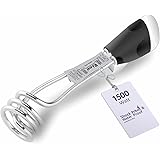
Rico IRPRO 1500w Shockproof Japanese Technology Electric Water Heater Immersion Rod With Waterproof & Protection | Instant Heating With Bucket Holder | ISI Certified 2 Year Replacement Warranty
₹899.00 (as of September 19, 2026 17:58 GMT +05:30 - More infoProduct prices and availability are accurate as of the date/time indicated and are subject to change. Any price and availability information displayed on [relevant Amazon Site(s), as applicable] at the time of purchase will apply to the purchase of this product.)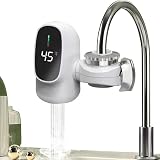
Drumstone (𝐖𝐢𝐧𝐭𝐞𝐫 𝐒𝐚𝐥𝐞 𝟓-𝐲𝐞𝐚𝐫 𝐖𝐚𝐫𝐫𝐚𝐧𝐭𝐲) Dual-Mode Instant Electric Faucet | 3000W Fast Heating, Temperature Control, Digital Display, Compact & Safe for Any Space
Now retrieving the price.
(as of September 19, 2026 17:58 GMT +05:30 - More infoProduct prices and availability are accurate as of the date/time indicated and are subject to change. Any price and availability information displayed on [relevant Amazon Site(s), as applicable] at the time of purchase will apply to the purchase of this product.)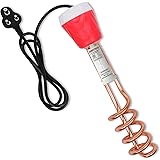
Electric Arc Plus Immersion Heater Rod 2000W | For Bucket Water Heating Only | ISI Certified | Shock Proof | Copper Element | Safe & Fast Heating
₹399.00 (as of September 19, 2026 17:58 GMT +05:30 - More infoProduct prices and availability are accurate as of the date/time indicated and are subject to change. Any price and availability information displayed on [relevant Amazon Site(s), as applicable] at the time of purchase will apply to the purchase of this product.)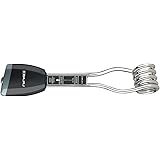
Bajaj Waterproof 1500 Watts Immersion Rod Heater
₹749.00 (as of September 19, 2026 17:58 GMT +05:30 - More infoProduct prices and availability are accurate as of the date/time indicated and are subject to change. Any price and availability information displayed on [relevant Amazon Site(s), as applicable] at the time of purchase will apply to the purchase of this product.)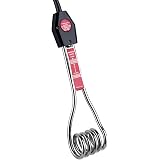
Bajaj Immersion 1500 Watts Water Heater Rod | Nickel Plated Heating| ISI Certified | 2 Years Warranty | Silver
₹538.00 (as of September 19, 2026 17:58 GMT +05:30 - More infoProduct prices and availability are accurate as of the date/time indicated and are subject to change. Any price and availability information displayed on [relevant Amazon Site(s), as applicable] at the time of purchase will apply to the purchase of this product.)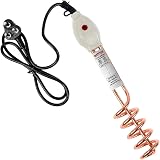
DAINTY TECH Immersion Water Heater Rod, 2000W, Copper Heating Element, ISI Mark, Fast and Even Heating (Grey)
₹399.00 (as of September 19, 2026 17:58 GMT +05:30 - More infoProduct prices and availability are accurate as of the date/time indicated and are subject to change. Any price and availability information displayed on [relevant Amazon Site(s), as applicable] at the time of purchase will apply to the purchase of this product.)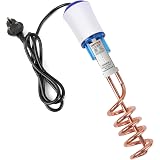
Electric Arc Plus Immersion Heater Rod 2000W | For Bucket Water Heating Only | ISI Certified | Shock Proof | Copper Element | Safe & Fast Heating
₹399.00 (as of September 19, 2026 17:58 GMT +05:30 - More infoProduct prices and availability are accurate as of the date/time indicated and are subject to change. Any price and availability information displayed on [relevant Amazon Site(s), as applicable] at the time of purchase will apply to the purchase of this product.)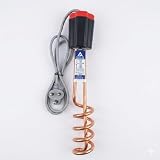
ESN 999 |Immersion water heater 1500W|100% shock proof body|Heavy copper element|With Bucket clip| ISI certified| Pin Moulded Plug|Waterproof |Heating for Buckets,Bath,Kitchen & Home Use
₹299.00 (as of September 19, 2026 17:58 GMT +05:30 - More infoProduct prices and availability are accurate as of the date/time indicated and are subject to change. Any price and availability information displayed on [relevant Amazon Site(s), as applicable] at the time of purchase will apply to the purchase of this product.)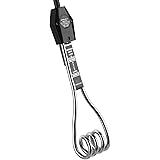
Bajaj 1000 W Immersion Water Heater Rod | Nickel-Plated Heating Element | 2 Year Warranty
₹575.00 (as of September 19, 2026 17:58 GMT +05:30 - More infoProduct prices and availability are accurate as of the date/time indicated and are subject to change. Any price and availability information displayed on [relevant Amazon Site(s), as applicable] at the time of purchase will apply to the purchase of this product.)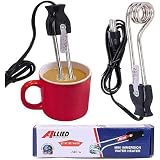
Allied sales Electric Mini Immersion Heater || For Tea, Coffee, Milk, Water, boiler || Wattage: 250 Watt || Color: Silver || (2)
₹280.00 (as of September 19, 2026 17:58 GMT +05:30 - More infoProduct prices and availability are accurate as of the date/time indicated and are subject to change. Any price and availability information displayed on [relevant Amazon Site(s), as applicable] at the time of purchase will apply to the purchase of this product.)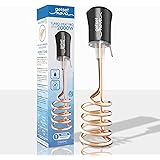
Water Heater Rod Heater for Bathroom Immersion Rod Water Heater, Copper and Nickel Rust-Free Coating, Shock Proof Design for Durable Life with Rapid Coil Heating Technology 1 Year Warranty (COPPER)
Now retrieving the price.
(as of September 19, 2026 17:58 GMT +05:30 - More infoProduct prices and availability are accurate as of the date/time indicated and are subject to change. Any price and availability information displayed on [relevant Amazon Site(s), as applicable] at the time of purchase will apply to the purchase of this product.)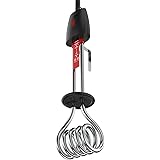
GM Immersion Rod Water Heater with Bucket Guard 1500W 16 AMP Plug Superior Copper Element Heat Resistant Handle Nickel Plated Prevents Corrosion Double ISI Certified 1.6M Cord 2 Years Warranty
₹649.00 (as of September 19, 2026 17:58 GMT +05:30 - More infoProduct prices and availability are accurate as of the date/time indicated and are subject to change. Any price and availability information displayed on [relevant Amazon Site(s), as applicable] at the time of purchase will apply to the purchase of this product.)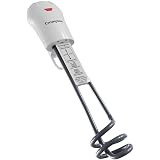
Crompton 1000W Superfast heating Immersion Rod| Anti-Scale technology| 100% Shock Proof| IP 68 Protection| 3 Yrs Warranty| Energy Saving| Powerful Heating Element| Bucket Hook
₹599.00 (as of September 19, 2026 17:58 GMT +05:30 - More infoProduct prices and availability are accurate as of the date/time indicated and are subject to change. Any price and availability information displayed on [relevant Amazon Site(s), as applicable] at the time of purchase will apply to the purchase of this product.)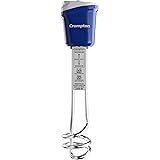
Crompton IHL 251 1500-Watt Immersion Water Heater with Copper Heating Element and IP 68 Protection
₹599.00 (as of September 19, 2026 17:58 GMT +05:30 - More infoProduct prices and availability are accurate as of the date/time indicated and are subject to change. Any price and availability information displayed on [relevant Amazon Site(s), as applicable] at the time of purchase will apply to the purchase of this product.)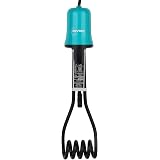
Devout distinct technology 1500 watts immersion water heater/Automatic Cut-off /100% shockproof ABS body/With Bucket Holder/2 year replacement warranty Sky Blue
₹599.00 (as of September 19, 2026 17:58 GMT +05:30 - More infoProduct prices and availability are accurate as of the date/time indicated and are subject to change. Any price and availability information displayed on [relevant Amazon Site(s), as applicable] at the time of purchase will apply to the purchase of this product.)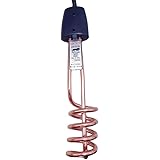
BESTHOT Immersion Water |1500 Watt Electric Immersion Rod, Instant Heating With Bucket Holde Long Wire Hot Water Color (Black)
₹289.00 (as of September 19, 2026 17:58 GMT +05:30 - More infoProduct prices and availability are accurate as of the date/time indicated and are subject to change. Any price and availability information displayed on [relevant Amazon Site(s), as applicable] at the time of purchase will apply to the purchase of this product.)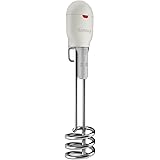
Havells Zeta 1500 watt Immersion Heater | ISI Mark Heavy Duty 3 Pin Moulded Plug, Touch Protection Cover | Waterproof, Heating Indicator, Nickel Plating, Warranty: 2 Year comprehensive |(Grey) Plastic
₹599.00 (as of September 19, 2026 17:58 GMT +05:30 - More infoProduct prices and availability are accurate as of the date/time indicated and are subject to change. Any price and availability information displayed on [relevant Amazon Site(s), as applicable] at the time of purchase will apply to the purchase of this product.)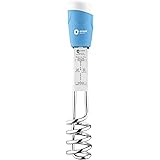
Orient Electric Arc Plus 1.5kw |Immersion water heater|100% shock proof body|Heavy copper element|With Bucket clip| ISI certified | 2 years replacement warranty
₹649.00 (as of September 19, 2026 17:58 GMT +05:30 - More infoProduct prices and availability are accurate as of the date/time indicated and are subject to change. Any price and availability information displayed on [relevant Amazon Site(s), as applicable] at the time of purchase will apply to the purchase of this product.)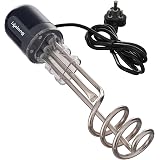
Lifelong HeatX Immersion Rod Auto Cut Off 1500 W Shockproof Water Heater | Anti-Rust Nickel Plating, Extra-Long 1.8M Cord & ISI-Marked 3-Pin Plug | Secure Bucket Hook
Now retrieving the price.
(as of September 19, 2026 17:58 GMT +05:30 - More infoProduct prices and availability are accurate as of the date/time indicated and are subject to change. Any price and availability information displayed on [relevant Amazon Site(s), as applicable] at the time of purchase will apply to the purchase of this product.)