
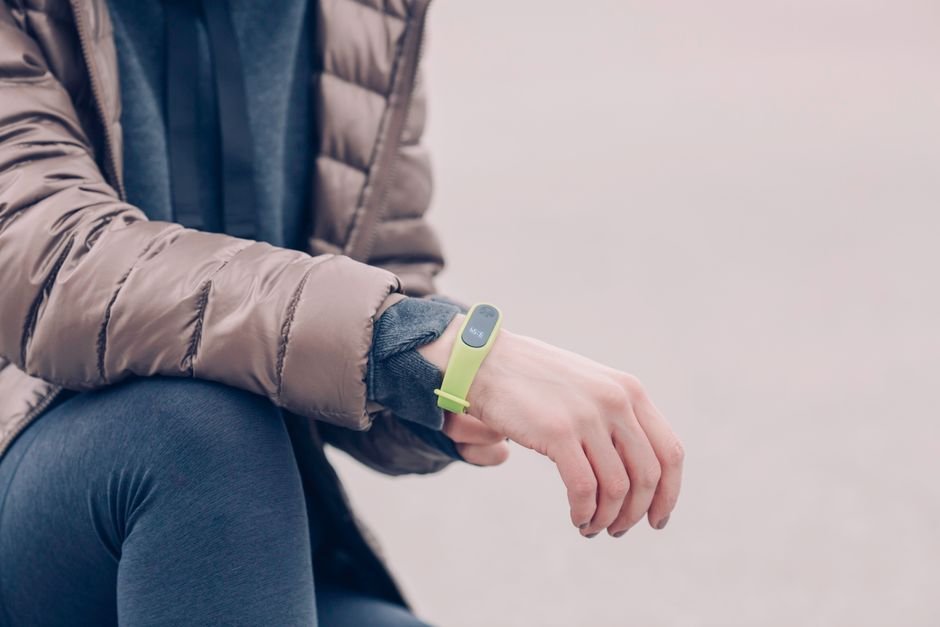
Fitness Tracker with SpO2: Your Health at a Glance
The modern fitness tracker has evolved far beyond simple step counting. Today, these wearable devices are sophisticated health monitoring tools, with the integration of SpO2 (blood oxygen saturation) measurement marking a significant advancement. This feature offers users a crucial, real-time insight into a vital aspect of their respiratory and cardiovascular health, transforming the fitness tracker from a mere activity log into a comprehensive wellness companion. Understanding SpO2 and how it’s measured by your fitness tracker empowers you to take a proactive stance in managing your well-being.
What is SpO2 and Why Does it Matter?
SpO2 refers to the percentage of hemoglobin in your blood that is saturated with oxygen. Hemoglobin, a protein found in red blood cells, is responsible for transporting oxygen from your lungs to the rest of your body. A healthy SpO2 level typically ranges from 95% to 100%. Levels below this can indicate underlying health issues.
Why is this metric so important? Adequate oxygenation is fundamental for every cell and organ in your body to function optimally. Low blood oxygen levels, known as hypoxemia, can have serious consequences, affecting brain function, heart health, and overall energy levels. Monitoring SpO2 can provide early warnings for various conditions, including:
- Respiratory Illnesses: Conditions like asthma, COPD, pneumonia, and even COVID-19 can impair the lungs’ ability to absorb oxygen, leading to lower SpO2 readings.
- Sleep Apnea: This common sleep disorder causes repeated pauses in breathing during sleep, significantly reducing oxygen levels. Fitness trackers with SpO2 can detect these drops, alerting users to potential sleep apnea.
- Cardiovascular Issues: While not a direct indicator, persistently low SpO2 can sometimes be a symptom of heart conditions that affect oxygen circulation.
- High Altitude: At higher altitudes, the atmospheric pressure is lower, meaning less oxygen is available. SpO2 monitoring can help individuals acclimatize and recognize potential altitude sickness.
- Intense Exercise and Recovery: Monitoring SpO2 during and after strenuous workouts can provide insights into your body’s oxygen utilization and recovery efficiency.
How Do Fitness Trackers Measure SpO2?
Fitness trackers utilize a technology called photoplethysmography (PPG) to measure blood oxygen saturation. This non-invasive method involves using light-emitting diodes (LEDs) and a photodetector.
- Light Emission: The LEDs emit red and infrared light onto your skin.
- Light Absorption: Different types of hemoglobin absorb these light wavelengths differently. Oxygenated hemoglobin absorbs more infrared light and reflects more red light, while deoxygenated hemoglobin absorbs more red light and reflects more infrared light.
- Light Detection: The photodetector measures the amount of light that passes through or is reflected back from your skin.
- Calculation: By analyzing the ratio of absorbed red and infrared light, the tracker’s algorithm calculates the percentage of oxygenated hemoglobin in your blood – your SpO2 level.
The accuracy of these readings can be influenced by factors such as skin pigmentation, movement during measurement, and proper wrist placement. For the most reliable results, it’s recommended to measure SpO2 when you are at rest, with the tracker snug and positioned correctly on your wrist.
Key Benefits of SpO2 Tracking on Your Fitness Tracker:
The inclusion of SpO2 monitoring transforms your fitness tracker into a more powerful health tool, offering several tangible benefits:
- Proactive Health Management: By regularly monitoring your SpO2, you can identify potential anomalies before they become serious health concerns. Early detection of low oxygen levels can prompt you to consult a healthcare professional for further investigation.
- Enhanced Sleep Analysis: SpO2 data, when combined with sleep tracking, offers a deeper understanding of your sleep quality. Significant drops in blood oxygen during sleep can be a strong indicator of sleep apnea, a condition that can lead to fatigue, hypertension, and other health problems.
- Optimized Fitness Performance and Recovery: Athletes and fitness enthusiasts can leverage SpO2 data to gauge their body’s response to training. Monitoring oxygen saturation during intense workouts can help prevent overexertion, and tracking recovery levels post-exercise can inform training intensity adjustments.
- Altitude Acclimatization: For hikers, climbers, or frequent travelers to high-altitude regions, SpO2 monitoring provides valuable feedback on how their body is adapting to lower oxygen environments.
- Stress and Well-being Insights: While not solely an indicator, chronically low SpO2 can sometimes be linked to stress or poor respiratory patterns. Observing trends might encourage you to explore stress-reducing techniques or breathing exercises.
- Convenience and Accessibility: Having this vital health metric readily available on your wrist eliminates the need for separate, often more cumbersome, medical devices for periodic checks.
Choosing the Right Fitness Tracker with SpO2:
When selecting a fitness tracker with SpO2 capabilities, consider the following factors:
- Accuracy and Reliability: While most reputable brands strive for accuracy, research reviews and look for devices that have been independently tested or validated.
- Battery Life: SpO2 sensors can consume more power. Ensure the device offers sufficient battery life for your needs, especially if you plan to use continuous monitoring features.
- Comfort and Design: You’ll be wearing this device daily, so comfort, style, and durability are important.
- Companion App Features: The accompanying app is crucial for interpreting your data. Look for an app that provides clear visualizations, historical trends, personalized insights, and easy-to-understand explanations of your SpO2 readings.
- Additional Health Metrics: Consider if you need other advanced health features like ECG, continuous heart rate monitoring, stress tracking, or body composition analysis.
- Water Resistance: If you’re active, water resistance is a must for swimming, showering, or intense workouts.
- Brand Reputation and Support: Opt for well-established brands known for their quality and customer support.
Interpreting Your SpO2 Readings:
It’s important to understand that fitness trackers are consumer-grade devices and not medical diagnostic tools. While they offer valuable insights, they should not be used to self-diagnose or replace professional medical advice.
- Normal Range (95%-100%): Generally indicates healthy oxygen levels.
- Slightly Below Normal (90%-94%): May warrant attention, especially if accompanied by symptoms like shortness of breath or fatigue. It could be due to mild exertion, temporary illness, or being at a moderate altitude.
- Low Readings (<90%): This is a significant concern and warrants immediate consultation with a healthcare professional. Persistent low readings can indicate a serious underlying medical condition.
Tips for Optimal SpO2 Measurement:
- Wear it Snugly: The tracker needs to be in firm contact with your skin for accurate light transmission.
- Measure at Rest: For the most reliable readings, measure your SpO2 when you are relaxed and not moving.
- Keep it Clean: A clean sensor ensures optimal light penetration.
- Avoid Cold Extremes: Very cold fingers can reduce blood flow, potentially affecting readings.
- Consider Skin Tone: While technology has improved, very dark skin tones can sometimes impact the accuracy of PPG sensors.
- Follow Manufacturer Guidelines: Always refer to your device’s manual for specific instructions on how to take accurate readings.
The Future of SpO2 Tracking in Wearables:
The integration of SpO2 monitoring into fitness trackers is just the beginning. As sensor technology advances, we can expect even more sophisticated and accurate health monitoring capabilities in future wearables. This includes continuous, seamless SpO2 tracking throughout the day and night, providing a more comprehensive picture of your physiological state. The potential for early disease detection and personalized health interventions is immense, making fitness trackers with SpO2 an increasingly indispensable part of modern health management.
By embracing the insights provided by your fitness tracker’s SpO2 sensor, you gain a powerful ally in understanding and proactively managing your health. This seemingly small feature offers a significant leap forward in making vital health information accessible and actionable, truly putting your health at a glance.