
Beyond the Wrist: Exploring the Latest Smartwatch Innovations
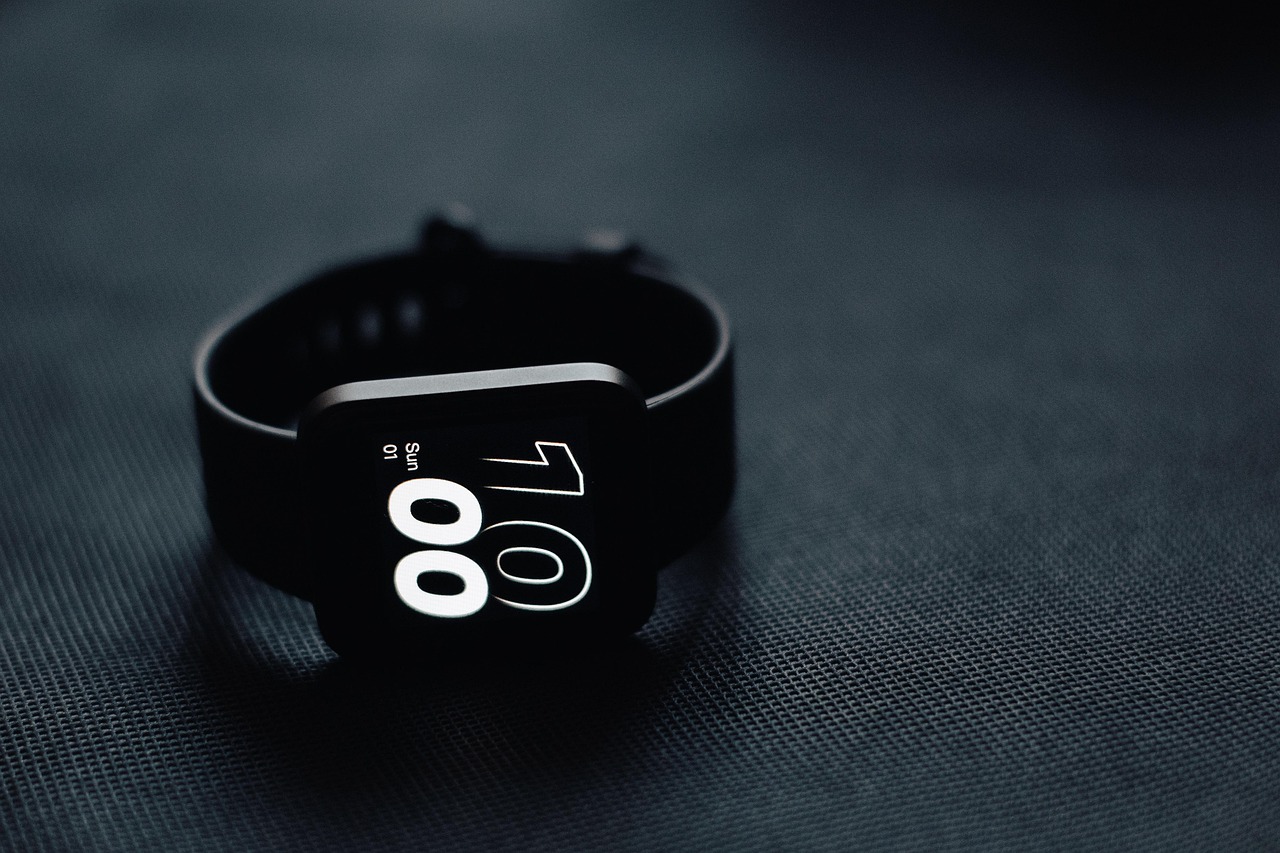
The smartwatch, once a niche gadget, has rapidly evolved into an indispensable extension of our digital lives. Beyond simply displaying notifications and tracking steps, today’s smartwatches are sophisticated wellness companions, communication hubs, and even miniature computers. The relentless pace of innovation is pushing the boundaries of what’s possible, delivering features that were once confined to science fiction. This exploration delves into the most exciting and impactful advancements shaping the future of wrist-worn technology.
Health and Wellness: The Proactive Guardian
The most significant leaps in smartwatch technology are undoubtedly in the realm of health and wellness. Manufacturers are moving beyond basic activity tracking to offer comprehensive, proactive health monitoring.
Advanced Biometric Sensors: The integration of a wider array of sophisticated sensors is a game-changer. We’re seeing the emergence of non-invasive blood glucose monitoring, a holy grail for diabetes management. While still in its nascent stages and not yet medically certified for widespread use, the potential for real-time, continuous glucose readings without finger pricks is revolutionary. Similarly, blood pressure monitoring is becoming more accurate and accessible, moving from bulky cuffs to discreet wrist-based measurements. This allows for more frequent and convenient tracking, enabling early detection of hypertension.
ECG and Arrhythmia Detection: Electrocardiogram (ECG) capabilities, once exclusive to medical devices, are now standard on many high-end smartwatches. These devices can detect signs of atrial fibrillation (AFib), a common heart rhythm disorder that can lead to stroke. Continuous monitoring and alerts empower users and their healthcare providers with crucial data, facilitating timely intervention. The focus is shifting towards not just detecting anomalies but also providing actionable insights and personalized recommendations based on the collected data.
Sleep Tracking and Analysis: Sleep tracking has become incredibly detailed. Modern smartwatches go beyond simply measuring duration, analyzing sleep stages (light, deep, REM), identifying sleep disturbances like snoring and sleep apnea, and offering personalized tips for improving sleep quality. Some devices even incorporate body temperature sensing during sleep, which can provide insights into hormonal cycles and potential illness.
Stress Management and Mental Well-being: Recognizing the growing importance of mental health, smartwatches are incorporating features to help users manage stress. Electrodermal activity (EDA) sensors measure subtle changes in skin sweat, indicative of stress responses. Combined with heart rate variability (HRV) analysis, these devices can provide real-time stress scores and guide users through breathing exercises and mindfulness practices. The goal is to foster a more balanced and aware approach to daily well-being.
Contextual Awareness and AI Integration:
The intelligence embedded within smartwatches is rapidly evolving, driven by advancements in artificial intelligence (AI) and machine learning.
Proactive Health Insights: AI algorithms are now capable of analyzing vast amounts of biometric data to identify subtle trends and potential health risks before they become apparent to the user. For instance, a smartwatch might detect a gradual increase in resting heart rate or a change in sleep patterns and alert the user to consult a doctor. This shift from reactive to proactive health monitoring is a significant paradigm change.
Personalized Coaching and Recommendations: AI-powered smartwatches are becoming personalized coaches. They can adapt workout plans based on performance, suggest optimal rest periods, and even offer dietary recommendations based on activity levels and collected health data. This tailored approach ensures that users receive guidance relevant to their individual needs and goals.
Contextual Notifications and Information: Smartwatches are getting smarter at understanding context. Instead of bombarding users with every notification, they are learning to prioritize and deliver information that is most relevant at a given moment. This could mean silencing work notifications during personal time or highlighting urgent messages from family members. The aim is to reduce digital clutter and enhance focus.
Enhanced Connectivity and Communication:
The smartwatch is transforming into a more capable communication device, reducing reliance on smartphones for everyday interactions.
Independent Cellular Connectivity: The increasing prevalence of eSIM technology allows many smartwatches to function independently of a smartphone. This means making and receiving calls, sending texts, and streaming music directly from the wrist, even when the phone is left at home. This is particularly beneficial for fitness enthusiasts, travelers,, and individuals who prefer a lighter mobile experience.
Advanced Voice Assistants: Voice assistants on smartwatches are becoming more sophisticated and integrated. They can handle complex queries, control smart home devices, and even initiate conversations, making hands-free interaction seamless and efficient. The ability to perform actions through simple voice commands further enhances the convenience factor.
NFC and Contactless Payments: Near Field Communication (NFC) for contactless payments is now a standard feature on most smartwatches. This allows for quick and secure transactions at retailers, eliminating the need to carry a wallet or pull out a phone. This convenience extends to public transportation and access control systems.
Durability and Design: Form Meets Function
Beyond internal capabilities, the physical design and durability of smartwatches are also seeing significant advancements.
Ruggedized and Outdoor-Focused Devices: For adventurers and athletes, ruggedized smartwatches are offering military-grade durability, water resistance, and advanced navigation features like GPS, altimeters, and barometers. These devices are built to withstand extreme conditions, making them reliable companions for outdoor pursuits.
Premium Materials and Aesthetic Versatility: The aesthetic appeal of smartwatches has also improved dramatically. We are seeing the use of premium materials like titanium, ceramic, and sapphire crystal, offering both durability and a luxurious feel. Interchangeable straps and a wider variety of watch faces allow users to personalize their device to match their style and the occasion.
Battery Life Innovations: Battery life remains a critical concern for smartwatches. Manufacturers are continually working on improving battery efficiency through more power-optimized processors, advanced display technologies (like always-on low-power modes), and larger battery capacities. While multi-day battery life is becoming more common, the pursuit of week-long or even longer usage without frequent charging continues.
The Future is Now: Emerging Technologies on the Horizon
The innovation pipeline for smartwatches is brimming with exciting possibilities.
Advanced Haptic Feedback: Beyond simple vibrations, future smartwatches could incorporate more nuanced haptic feedback, allowing for more intuitive interactions and even conveying information through touch. Imagine feeling different textures or directional cues through your wrist.
On-Device AI Processing: As AI capabilities grow, we can expect more powerful on-device AI processing. This means faster response times, enhanced privacy as data is processed locally, and the ability to run more complex AI models without relying on cloud connectivity.
Integration with Augmented Reality (AR): The integration of smartwatches with AR glasses or even projected AR interfaces could unlock new ways of interacting with information and our surroundings. Imagine discreetly receiving AR overlays for navigation or information about objects around you.
Biometric Authentication Beyond Passwords: Future smartwatches could leverage a wider range of biometric data for secure authentication, moving beyond simple PINs or fingerprint scans to more advanced methods like gait analysis or even vein patterns.
The smartwatch landscape is a dynamic and rapidly evolving ecosystem. The latest innovations are transforming these devices from mere accessories into powerful tools that empower us to live healthier, more connected, and more informed lives. As technology continues to advance, the possibilities for what a smartwatch can do are virtually limitless, promising an even more integrated and intuitive future for personal technology.