
Enhance Your Security: Exploring Different Types of CCTV Cameras
In today’s world, safeguarding property, loved ones, and business assets is paramount. Closed-Circuit Television (CCTV) systems have evolved from rudimentary surveillance tools into sophisticated, multi-functional security solutions. Understanding the diverse array of CCTV camera types available is crucial for selecting the optimal system to meet specific security needs. This comprehensive exploration delves into the various categories of CCTV cameras, their unique features, and their ideal applications, empowering you to make informed decisions for enhanced security.
Dome Cameras: Discreet Surveillance with a Wide View
Dome cameras, characterized by their semi-spherical, opaque casing, are a popular choice for their aesthetic appeal and discreet nature. Their design allows them to blend seamlessly into various environments, making them ideal for public spaces like retail stores, offices, and lobbies where overt surveillance might be undesirable. The dome housing not only protects the camera lens from tampering and vandalism but also conceals the direction the camera is pointing, preventing potential offenders from knowing if they are being observed.
Internally, dome cameras often feature pan, tilt, and zoom (PTZ) capabilities, allowing for remote control of the camera’s field of view. This flexibility enables security personnel to track moving subjects or focus on specific areas of interest without needing to physically reposition the camera. High-definition (HD) resolution is standard, providing clear and detailed footage. Many modern dome cameras also incorporate infrared (IR) LEDs for effective night vision, ensuring continuous surveillance even in low-light conditions. Their durability and resistance to tampering make them a robust and reliable security option.
Bullet Cameras: Robust and Visible Deterrents
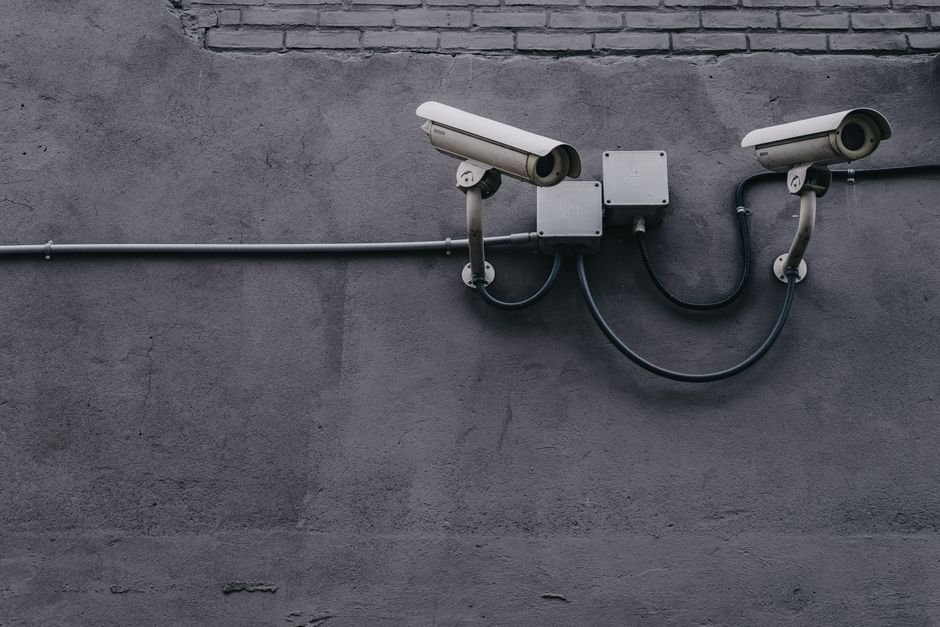
Bullet cameras, easily identifiable by their elongated, cylindrical shape, are designed for outdoor use and are renowned for their robust construction and high visibility. Their prominent presence acts as a significant deterrent to potential intruders, clearly signaling that the area is under surveillance. Mounted externally, they are often secured to walls or poles, offering a clear line of sight to the protected area.
The rugged design of bullet cameras makes them resistant to harsh weather conditions, dust, and even minor impacts, ensuring reliable operation in demanding environments. Similar to dome cameras, many bullet cameras offer IR illumination for effective night vision, crucial for monitoring entry points, perimeters, and parking lots after dark. They typically provide a fixed field of view, making them suitable for monitoring specific locations like doorways, gates, or driveways. Advanced models can offer high-resolution imaging and wide dynamic range (WDR) to compensate for challenging lighting conditions, such as bright sunlight and deep shadows, ensuring clear footage regardless of the environment.
PTZ Cameras: Dynamic and Comprehensive Coverage
Pan-Tilt-Zoom (PTZ) cameras represent the pinnacle of dynamic surveillance, offering unparalleled flexibility and control. These cameras can be remotely operated to pan horizontally, tilt vertically, and zoom in on specific details, providing a comprehensive and adaptable surveillance solution. Their ability to cover vast areas and track moving subjects makes them indispensable for large properties, outdoor event venues, and critical infrastructure monitoring.
PTZ cameras are often equipped with powerful optical zoom lenses, allowing operators to capture clear images of distant objects without sacrificing quality. Their automated patrol features enable them to cycle through pre-programmed positions, ensuring continuous monitoring of multiple areas. Advanced PTZ cameras can also incorporate features like object tracking, facial recognition, and intelligent video analytics (IVA) to automatically detect and alert security personnel to suspicious activity. While typically more expensive than fixed cameras, the extensive coverage and advanced capabilities of PTZ cameras justify their investment for high-security applications.
Turret Cameras: A Hybrid of Dome and Bullet
Turret cameras, also known as eyeball cameras, strike a balance between the discreetness of dome cameras and the robust outdoor capabilities of bullet cameras. Their distinct spherical head, mounted on a cylindrical base, allows for easy adjustment of the viewing angle without requiring the entire camera to be physically moved. This design makes them versatile for both indoor and outdoor installations.
The spherical lens housing is often designed to be tamper-resistant, and many models feature a clear, rather than opaque, dome, allowing for a more direct view of the lens. Turret cameras are commonly equipped with IR LEDs for night vision and offer high-resolution imaging for clear footage. Their ease of installation and adjustment, combined with their adaptability to various environments, makes them a popular choice for residential and commercial security. They are well-suited for monitoring entryways, hallways, and general perimeter surveillance.
Fisheye Cameras: Panoramic Views for Comprehensive Awareness
Fisheye cameras, characterized by their extremely wide-angle lens, provide an expansive 360-degree panoramic view. This unique capability allows a single camera to monitor an entire room or open space, eliminating blind spots and providing a complete overview of the area. They are particularly effective in large, open environments such as warehouses, retail floors, or public squares where comprehensive situational awareness is critical.
The footage from a fisheye camera can be “dewarped” digitally, meaning the distorted panoramic image can be corrected to appear as a series of flat, rectilinear views, allowing for detailed examination of specific areas within the broader panorama. This makes them incredibly versatile for playback and analysis. While they excel at providing a broad overview, the extreme wide-angle can sometimes reduce the detail of distant objects. Therefore, they are often used in conjunction with other camera types for more targeted surveillance.
Specialty Cameras: Tailored Solutions for Unique Needs
Beyond the common categories, a range of specialty CCTV cameras caters to specific and often demanding security requirements.
- Explosion-Proof Cameras: Designed for hazardous environments where flammable gases or dust are present, these cameras are built with robust, sealed casings to prevent ignition. They are crucial for industries like oil and gas, chemical manufacturing, and mining.
- Thermal Cameras: These cameras detect infrared radiation emitted by objects, allowing them to “see” in complete darkness and through smoke, fog, or other visual obstructions. They are invaluable for perimeter security, detecting intruders based on body heat, and for applications in extreme weather or low-visibility conditions.
- Network (IP) Cameras: While not a physical type, it’s important to note the technological shift. Most modern CCTV cameras are IP-based, transmitting video data over a network connection (Ethernet). This offers significant advantages, including higher resolution, remote access via the internet, scalability, and integration with other network devices.
- Wireless Cameras: These cameras transmit data wirelessly, offering greater installation flexibility and reducing the need for extensive cabling. However, they can be susceptible to signal interference and may require battery replacements or regular charging.
- License Plate Recognition (LPR) Cameras: Specifically designed to capture and read vehicle license plates, these cameras are vital for traffic monitoring, law enforcement, and access control systems. They typically feature high resolution and specialized lenses for capturing clear plate images even at speed.
- Starlight Cameras: These cameras are engineered to perform exceptionally well in extremely low-light conditions, producing color images where traditional cameras would only produce black and white or no image at all. They utilize advanced sensors and image processing technology to capture detail and color in near-total darkness.
The selection of the appropriate CCTV camera type depends on a thorough assessment of the area to be monitored, potential threats, lighting conditions, budget, and desired level of detail. By understanding the strengths and applications of each camera category, individuals and organizations can implement robust and effective surveillance systems that significantly enhance their overall security posture.