
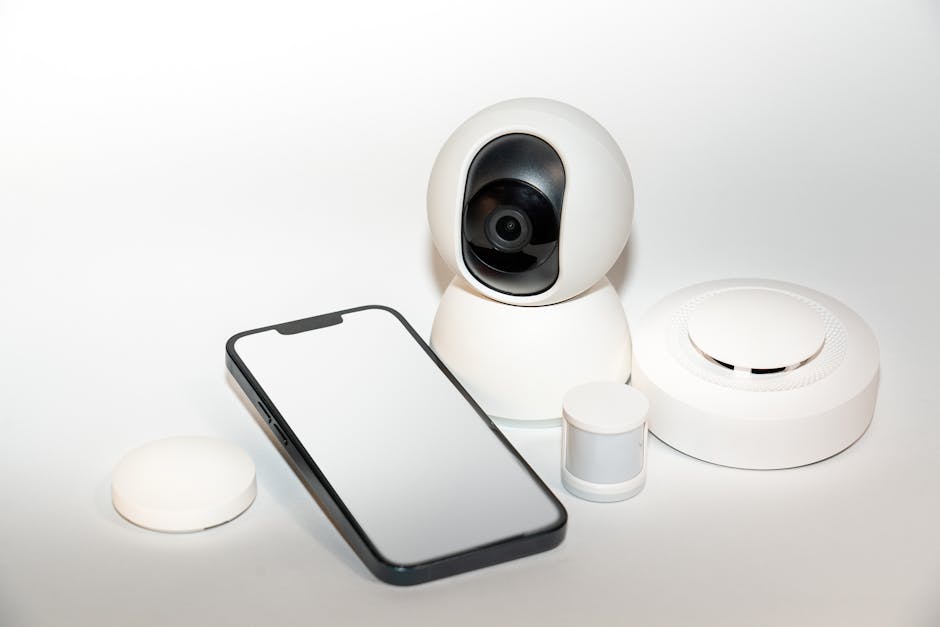
Easy Home Surveillance: CCTV Cameras Featuring Mobile App Control
The modern home is a sanctuary, a place of comfort and security. Protecting this haven has never been more accessible, thanks to the proliferation of sophisticated yet user-friendly Closed-Circuit Television (CCTV) camera systems that seamlessly integrate with mobile applications. Gone are the days of complex installations and cumbersome monitoring; today’s easy home surveillance solutions empower homeowners with unprecedented control and peace of mind, directly from their smartphones. This deep dive explores the features, benefits, and considerations of CCTV cameras with mobile app control, demystifying the technology and highlighting its transformative impact on home security.
The Evolution of Home Security: From Basic Alarms to Smart Surveillance
Historically, home security relied on rudimentary alarm systems that triggered audible alerts. While effective to a degree, they lacked the ability to provide visual confirmation or remote access. The advent of CCTV brought visual monitoring, but often involved dedicated monitors and complex recording devices, making it inaccessible for the average homeowner. The true revolution arrived with the integration of internet connectivity and the ubiquitous smartphone. This convergence has democratized advanced surveillance, transforming it into an intuitive, accessible, and highly personalized security solution.
Understanding the Core Technology: CCTV Cameras and Mobile App Integration
At its heart, a CCTV camera system for home surveillance comprises several key components:
- The Cameras: These are the eyes of your security system. Modern home CCTV cameras come in various forms, including indoor, outdoor, dome, bullet, and pan-tilt-zoom (PTZ) models. They capture video footage, which can be stored locally or in the cloud. Key features to look for include high-definition (HD) resolution (1080p or higher), night vision capabilities (infrared LEDs for low-light conditions), wide-angle lenses for broader coverage, and weather resistance for outdoor units.
- The Network: Cameras connect to your home network, either wirelessly via Wi-Fi or through Ethernet cables for a more stable connection. This network connection is crucial for transmitting footage to your recording device and then to your mobile device.
- The Recording Device (Optional but Recommended): While some systems offer direct cloud storage, many utilize a Network Video Recorder (NVR) or a Digital Video Recorder (DVR) for local storage. NVRs are typically used with IP (Internet Protocol) cameras, while DVRs are for analog cameras. These devices store the recorded footage, allowing for review and playback. Many modern NVRs are IP-based and connect directly to your network.
- The Mobile Application: This is the command center. Manufacturers provide dedicated mobile apps for both iOS and Android devices. These apps connect to your camera system via the internet, enabling remote viewing, playback of recorded footage, receiving motion detection alerts, and even two-way audio communication.
Key Features of Mobile App Controlled CCTV Systems
The true power of modern home surveillance lies in the intuitive control offered by mobile applications. These apps transform your smartphone into a portable security hub, providing a wealth of features:
- Live Remote Viewing: The most fundamental feature. At any moment, you can open the app and see a live video feed from any of your connected cameras, whether you’re at work, on vacation, or simply in another room of your house. This provides immediate peace of mind and the ability to check in on pets, children, or elderly family members.
- Motion Detection Alerts: Sophisticated algorithms within the cameras or the NVR can detect movement within a designated area. When motion is detected, the system can send instant push notifications to your smartphone. Many apps allow you to customize the sensitivity of motion detection and define specific zones to monitor, reducing false alarms from passing cars or swaying trees.
- Event Recording and Playback: When motion is detected, the system can be configured to automatically record the event. These recordings are stored on the NVR or in the cloud and can be easily accessed and played back through the mobile app. This is invaluable for reviewing incidents or simply recalling when a package was delivered.
- Two-Way Audio Communication: Many modern CCTV cameras feature built-in microphones and speakers. This allows for two-way communication through the mobile app. You can speak to someone at your doorstep, deter potential intruders, or communicate with family members without needing to be physically present.
- PTZ Control: For cameras equipped with Pan-Tilt-Zoom capabilities, the mobile app allows you to remotely control their movement. You can pan left or right, tilt up or down, and zoom in or out to get a closer look at specific areas or track moving objects.
- Customizable Recording Schedules: Beyond motion-activated recording, you can often set continuous recording schedules or schedule recording for specific times of the day.
- Cloud Storage Options: While local storage offers privacy and no recurring fees, cloud storage provides an offsite backup solution. If your local storage device is damaged or stolen, your footage remains accessible. Many manufacturers offer tiered cloud storage plans based on storage capacity and retention periods.
- User Management and Sharing: Some advanced systems allow you to grant access to specific cameras or recordings to trusted family members or friends, creating a collaborative security network.
Benefits of Easy Home Surveillance with Mobile App Control
The advantages of adopting a mobile app-controlled CCTV system extend far beyond basic security:
- Enhanced Peace of Mind: Knowing you can check on your home at any time, from anywhere, significantly reduces anxiety. This is particularly beneficial for frequent travelers or those with elderly relatives or young children at home.
- Deterrence of Crime: Visible CCTV cameras act as a powerful deterrent to potential burglars and vandals. The knowledge that their actions are being recorded is often enough to dissuade criminal activity.
- Evidence Collection: In the unfortunate event of a break-in or other incident, recorded footage can provide crucial evidence for law enforcement, aiding in the apprehension and prosecution of offenders.
- Remote Monitoring of Loved Ones: Keep an eye on children returning from school, elderly parents who live alone, or even pets while you’re away. Two-way audio allows for immediate interaction.
- Package Delivery Security: Monitor your doorstep to ensure packages are delivered safely and to deter porch pirates.
- Homeowner Convenience: Beyond security, these systems can offer convenience. For instance, you can visually confirm if a delivery driver has arrived or if a visitor is at the door before you even get up.
- Cost-Effectiveness: Compared to traditional security services with monthly fees, a one-time purchase of a CCTV system with mobile app control can be a more cost-effective long-term solution.
Choosing the Right System: Key Considerations
With a plethora of options available, selecting the ideal CCTV system requires careful consideration of your specific needs and circumstances:
- Number of Cameras and Coverage Area: Determine how many cameras you need to cover your property effectively. Consider key areas like entry points (front door, back door, windows), driveways, garages, and any vulnerable areas.
- Indoor vs. Outdoor Cameras: Ensure you select cameras appropriate for their intended environment. Outdoor cameras must be weather-resistant (IP-rated), while indoor cameras can focus on discreet design and specific functionalities.
- Connectivity: Wi-Fi vs. Wired: Wi-Fi offers flexibility in placement but can be susceptible to signal interference. Wired Ethernet connections provide a more stable and reliable connection, especially for critical areas. Many systems offer a hybrid approach.
- Resolution and Image Quality: Aim for HD resolution (1080p or higher) for clear, detailed images. Consider the frame rate (FPS) for smoother video playback.
- Night Vision Capabilities: Essential for 24/7 surveillance. Check the infrared range and clarity of the night vision.
- Storage Options: Local vs. Cloud: Decide whether you prefer local storage (NVR/DVR) for privacy and no recurring fees, or cloud storage for offsite backup and accessibility. Many systems offer both.
- Mobile App Features and User Interface: Download and review the app’s features and user interface before purchasing. A well-designed, intuitive app is crucial for ease of use. Look for user reviews regarding app performance and reliability.
- Brand Reputation and Customer Support: Opt for reputable brands known for their quality, reliability, and responsive customer support.
- Budget: CCTV systems vary significantly in price. Determine your budget and prioritize features that are most important to you.
- Privacy Concerns: Understand how your data is stored and protected. Ensure the manufacturer has robust security protocols in place.
Installation and Setup: Simplifying the Process
One of the most significant advancements in home surveillance is the simplification of installation and setup. While professional installation is always an option, many DIY-friendly systems are available:
- Plug-and-Play: Many wireless Wi-Fi cameras are designed for easy setup. Simply plug them in, download the app, and follow the on-screen instructions to connect them to your Wi-Fi network.
- Wired Systems: While requiring more effort, wired systems generally offer greater stability. NVRs often come with simple plug-and-play Ethernet connections for IP cameras.
- App-Guided Setup: The mobile apps themselves often provide step-by-step guides for setting up your cameras, pairing them with your NVR or cloud account, and configuring settings.
The Future of Home Surveillance: AI and Beyond
The evolution of home surveillance is far from over. Emerging technologies are continuously enhancing these systems:
- Artificial Intelligence (AI): AI is being integrated to improve motion detection, distinguishing between people, animals, and vehicles. This leads to more intelligent alerts and