
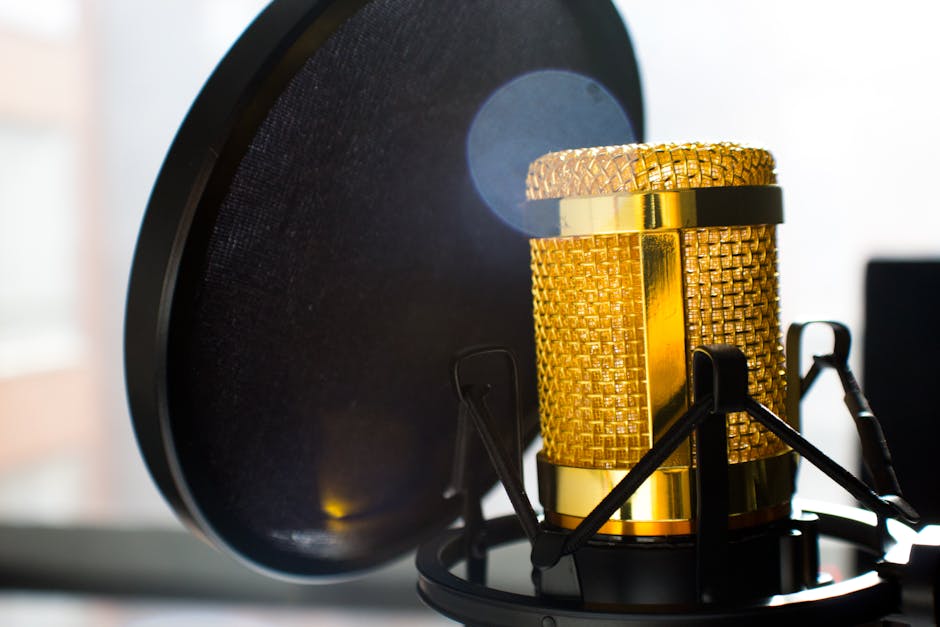
Dynamic vs. Condenser Microphones: Which is Best for You?
Choosing the right microphone is a cornerstone decision for any audio professional, musician, podcaster, or content creator. The sonic landscape is populated by two primary microphone types: dynamic and condenser. While both capture sound, their fundamental operating principles, characteristics, and ideal applications diverge significantly. Understanding these differences is crucial for making an informed choice that perfectly aligns with your specific needs and recording environment.
The Inner Workings: A Tale of Two Technologies
At their core, microphones are transducers, converting acoustic energy (sound waves) into electrical energy (an audio signal). The method by which they achieve this conversion defines them as dynamic or condenser.
Dynamic Microphones: Robust and Reliable
Dynamic microphones operate on the principle of electromagnetic induction. They feature a diaphragm, typically made of a thin, flexible material like Mylar or plastic, attached to a voice coil. This coil is suspended within a magnetic field created by a permanent magnet. When sound waves strike the diaphragm, they cause it to vibrate. This vibration, in turn, moves the voice coil within the magnetic field, generating an electrical current that mirrors the pattern of the sound waves.
Think of it like a tiny loudspeaker working in reverse. The diaphragm’s movement directly induces the electrical signal. This mechanical process is inherently robust, meaning dynamic microphones are generally less susceptible to damage from physical shock or extreme environmental conditions. They also tend to have a simpler internal design, contributing to their durability and often lower cost.
Condenser Microphones: Sensitive and Detailed
Condenser microphones, also known as electrostatic microphones, employ a different principle. They consist of two electrically conductive plates separated by a small air gap. One plate is a thin, movable diaphragm, while the other is a fixed backplate. A voltage, known as bias voltage or phantom power, is applied across these plates. This creates an electrostatic field.
When sound waves strike the diaphragm, it vibrates, altering the distance between the diaphragm and the backplate. This change in distance alters the capacitance of the capacitor formed by the plates. The fluctuating capacitance, in turn, generates a varying electrical signal. Because this process is more sensitive to subtle changes and requires electrical power to operate, condenser microphones are generally more delicate and require external power, typically in the form of phantom power (+48V) supplied by the audio interface or mixer.
Key Differences and Their Sonic Implications
The distinct operating principles of dynamic and condenser microphones lead to several key differences in their performance and sonic characteristics:
- Sensitivity: Condenser microphones are significantly more sensitive than dynamic microphones. This means they can pick up quieter sounds and subtle nuances in audio with greater clarity. Dynamic microphones, on the other hand, are less sensitive, which can be advantageous in noisy environments as they are less prone to picking up background noise.
- Frequency Response: Condenser microphones generally offer a wider and flatter frequency response, particularly in the higher frequencies. This translates to a more detailed, airy, and natural-sounding reproduction of sound, capturing the subtle harmonics and transients that contribute to a rich sonic texture. Dynamic microphones often have a more pronounced mid-range response, which can be beneficial for cutting through a mix, but they may not capture the extreme high-frequency detail as effectively.
- Transient Response: Condenser microphones excel at capturing transients – the very first, sharp attack of a sound. This makes them ideal for recording instruments with fast, percussive attacks like acoustic guitars, pianos, and drum overheads, where capturing the initial impact is critical for realism. Dynamic microphones, while capable, may not reproduce these rapid transients with the same fidelity.
- Sound Pressure Level (SPL) Handling: Dynamic microphones are generally built to handle very high sound pressure levels (SPLs) without distortion. This makes them the go-to choice for loud sound sources like kick drums, snare drums, and guitar amplifiers. Condenser microphones, while improving, can be more susceptible to distortion when faced with extreme volume levels.
- Durability and Environment: As mentioned, dynamic microphones are built like tanks. They can withstand rough handling, drops, and fluctuating temperatures and humidity levels. Condenser microphones are more delicate and require a more controlled environment to maintain optimal performance and longevity.
- Power Requirements: Dynamic microphones are passive devices and do not require any external power. They work directly with your audio interface or mixer. Condenser microphones are active devices and necessitate phantom power to charge their internal circuitry.
- Cost: Generally, dynamic microphones tend to be more affordable than condenser microphones, especially when comparing entry-level to mid-range models. High-end dynamic microphones can certainly be expensive, but the barrier to entry for decent dynamic microphones is often lower.
When to Choose a Dynamic Microphone
Dynamic microphones are the workhorses of the audio world, prized for their reliability, robustness, and ability to handle high SPLs. They are an excellent choice for:
- Live Vocal Performance: Their durability and ability to reject stage bleed make them ideal for vocalists performing live. Think of the iconic Shure SM58, a staple for live vocals for decades.
- Loud Instruments: Kick drums, snare drums, electric guitar amplifiers, and brass instruments all benefit from the SPL handling capabilities of dynamic microphones. Their mid-range focus can also help these instruments cut through a dense mix.
- Podcasting and Voiceover in Noisy Environments: Their lower sensitivity makes them excellent for isolating a voice and minimizing background noise, even if your recording space isn’t perfectly treated.
- Field Recording in Challenging Conditions: If you’re recording outdoors or in situations where the microphone might be exposed to the elements or rough handling, a dynamic microphone is a far safer bet.
- Budget-Conscious Setups: For those starting out or on a tight budget, a good dynamic microphone offers exceptional value and versatility.
Popular Dynamic Microphone Choices:
- Shure SM58: The legendary all-rounder for live vocals.
- Shure SM57: A versatile workhorse for instruments, especially snare drums and guitar amps.
- Sennheiser MD 421: A studio staple for drums, bass, and vocals, known for its punchy sound and variable bass roll-off.
- Electro-Voice RE20: A broadcast classic, excellent for vocals and radio.
When to Choose a Condenser Microphone
Condenser microphones are revered for their sensitivity, detail, and ability to capture the full spectrum of sound. They are the preferred choice for:
- Studio Vocals: For pristine, detailed vocal recordings where capturing every nuance and breath is paramount, a condenser is often the top pick. Their ability to reproduce subtle sibilance and airy highs contributes to a polished sound.
- Acoustic Instruments: Acoustic guitars, pianos, violins, and other stringed instruments benefit immensely from the detailed transient response and wide frequency range of condensers, rendering their natural timbre with remarkable accuracy.
- Drum Overheads and Room Mics: To capture the full impact and ambience of a drum kit, including the cymbals and the overall room sound, condenser microphones are indispensable.
- Orchestral and Choral Recordings: The delicate nuances and wide dynamic range of these ensembles are best captured by the sensitivity and detail of condenser microphones.
- Foley and Sound Design: For capturing subtle environmental sounds, foley effects, and intricate sonic textures, the sensitivity of condensers is crucial.
Popular Condenser Microphone Choices:
- Neumann U87 Ai: A benchmark in studio condenser microphones, known for its versatility and flattering sound.
- AKG C414 XLII: Another industry standard, offering multiple polar patterns and a bright, detailed sound.
- Rode NT1-A: An incredibly popular and affordable large-diaphragm condenser, offering excellent value for home studios.
- Audio-Technica AT2020: A budget-friendly but highly capable condenser, perfect for aspiring creators.
- Sennheiser MKH 416: A highly directional shotgun microphone, excellent for film dialogue and outdoor recording due to its wind rejection and focused pickup pattern.
The Decision Matrix: Matching Microphone to Application
To simplify the decision-making process, consider these scenarios:
- Beginner Podcaster with a Noisy Room: A dynamic microphone like the Shure SM58 or Rode PodMic is ideal. Its lower sensitivity will help isolate your voice, and its durability means you don’t have to worry as much about accidental bumps.
- Home Studio Vocalist Seeking Professional Quality: A large-diaphragm condenser microphone like the Rode NT1-A or Audio-Technica AT2020 will provide the detail and clarity needed for polished vocal takes.
- Guitarist Recording Amps in a Small Space: A dynamic microphone such as the Shure SM57 or Sennheiser MD 421 is perfect for capturing the punch and power of a guitar amplifier without overdriving the microphone.
- Acoustic Guitarist in a Quiet Studio: A small-diaphragm condenser microphone (often used in stereo pairs) like the AKG C451 B or Rode NT5 will capture the intricate detail and natural resonance of the acoustic guitar.
- Drummer Recording Live: A dynamic microphone for the snare and kick (e.g., Shure SM57, Audix D6) paired with condenser overheads (e.g., Rode NT5, AKG C451 B) offers a balanced approach.
- Filmmaker Recording Dialogue Outdoors: A highly directional shotgun microphone,