
DSLR Camera Price Today: Your Ultimate Buying Guide
Navigating the DSLR camera market can feel like traversing a digital labyrinth, with fluctuating prices and an overwhelming array of models. This comprehensive guide aims to demystify DSLR camera prices today, empowering you to make an informed and budget-conscious purchase. We’ll delve into the factors influencing cost, explore different price tiers, and highlight key features to consider within each bracket.
Understanding DSLR Camera Price Determinants
Several interconnected factors contribute to the price of a DSLR camera:
- Sensor Size and Resolution: Larger sensors (like full-frame) generally capture more light, produce better image quality, especially in low light, and offer shallower depth of field. Higher megapixel counts allow for larger prints and more cropping flexibility. These premium components significantly drive up costs.
- Autofocus System: Advanced AF systems with more focus points, wider coverage, and superior tracking capabilities are crucial for capturing fast-moving subjects. Professional-grade AF systems are a substantial investment.
- Image Processor: The speed and efficiency of the image processor impact everything from burst shooting speed to video recording capabilities and noise reduction. Top-tier processors are found in higher-priced models.
- Build Quality and Weather Sealing: Professional DSLRs are built with robust materials, offering durability and protection against dust and moisture. This ruggedness comes at a premium.
- Video Capabilities: While most DSLRs offer video recording, advanced features like 4K resolution, higher frame rates, Log profiles for extensive post-production, and superior audio inputs are exclusive to more expensive models.
- Connectivity and Features: Wi-Fi, Bluetooth, in-body image stabilization (IBIS), touchscreens, and advanced customizability options add to the overall cost.
- Brand and Lens Ecosystem: Established brands like Canon and Nikon have a vast and mature lens ecosystem, which can influence the perceived value and long-term cost of ownership.
- New vs. Used Market: The used DSLR market offers significant savings, but requires careful inspection and understanding of depreciation.
- Bundles and Kit Lenses: Cameras sold with kit lenses (often basic zoom lenses) are typically more affordable than buying the body and lens separately. However, these lenses may not meet the needs of discerning photographers.
DSLR Camera Price Tiers: Finding Your Fit
We can broadly categorize DSLR cameras into several price tiers, each catering to specific user needs and budgets:
1. Entry-Level DSLRs (Under $600): The Gateway to Photography
These cameras are perfect for beginners, hobbyists, and those looking to upgrade from smartphone photography. They offer a significant leap in image quality and creative control.
- Typical Price Range: $350 – $600 (body only or with a basic kit lens).
- Key Features:
- APS-C sensor (smaller than full-frame).
- Moderate megapixel count (18-24MP).
- Basic but functional autofocus systems.
- Good for everyday photography, travel, and portraits.
- Often include Wi-Fi for easy sharing.
- Decent HD video recording capabilities.
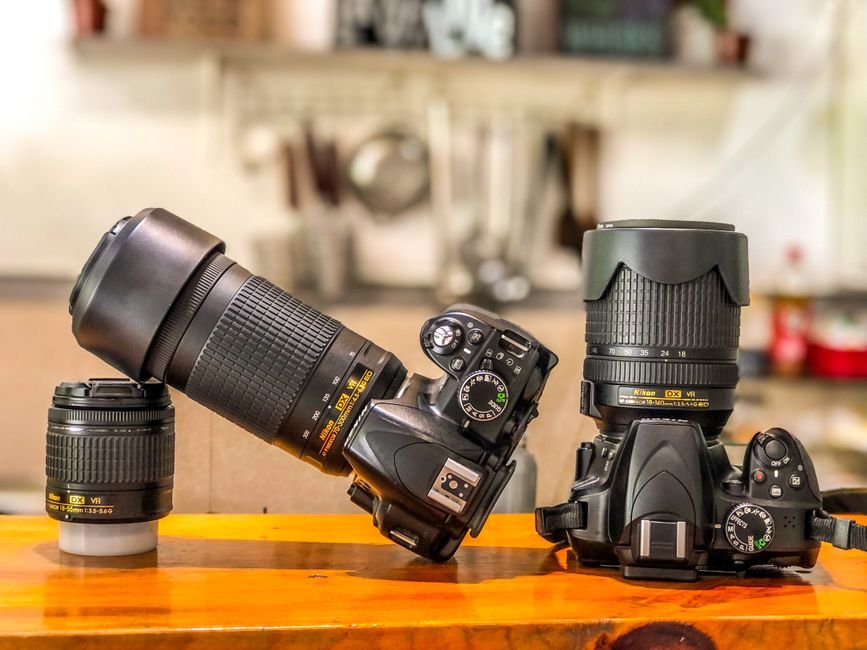
- What to Look For: Look for models that offer good ergonomics, a user-friendly interface, and a decent kit lens to get you started. Consider brands like Canon (e.g., EOS Rebel series) and Nikon (e.g., D3000/D5000 series).
- Value Proposition: Excellent entry point to DSLR photography, offering manual controls and superior image quality compared to point-and-shoot cameras.
2. Mid-Range/Enthusiast DSLRs ($600 – $1200): Stepping Up Your Game
This tier bridges the gap between entry-level and professional, offering enhanced performance and features for photographers who are serious about their craft.
- Typical Price Range: $600 – $1200 (body only or with a more versatile kit lens).
- Key Features:
- Improved APS-C sensors with higher resolution (20-26MP) and better low-light performance.
- More advanced autofocus systems with more focus points and better tracking.
- Faster burst shooting speeds for action photography.
- Enhanced video features, often including 4K at lower frame rates.
- Better build quality, sometimes with limited weather sealing.
- More customization options and a wider range of shooting modes.
- What to Look For: Prioritize models with a more robust autofocus system, higher burst rates, and improved image processing for cleaner images in challenging conditions. Canon’s EOS 80D/90D or Nikon’s D7000/D7500 series are good examples.
- Value Proposition: Offers a significant upgrade in performance and image quality, making them suitable for a wider range of photography genres, including sports, wildlife, and more demanding travel photography.
3. Semi-Professional/Advanced Enthusiast DSLRs ($1200 – $2500): Serious Performance
These DSLRs are designed for photographers who demand more from their equipment, often bridging the gap to professional workflows.
- Typical Price Range: $1200 – $2500 (body only).
- Key Features:
- Larger and more advanced APS-C sensors or entry-level full-frame sensors.
- Highly sophisticated autofocus systems with excellent tracking and low-light sensitivity.
- Professional-grade build quality with extensive weather sealing.
- Faster burst shooting speeds and larger buffer sizes.
- Advanced video capabilities, including higher frame rates and better codec options.
- Dual card slots for backup or overflow.
- Superior ergonomics and control layouts.
- What to Look For: Focus on the autofocus system, build quality, and low-light performance. Canon’s EOS 5D Mark IV (often found in this range used) or Nikon’s D750/D810 (similarly, used) are benchmarks. Newer APS-C models like Canon’s EOS R7 or Nikon’s Z fc (mirrorless, but relevant) offer similar performance in a smaller package.
- Value Proposition: Provides professional-level performance for serious hobbyists and those venturing into semi-professional work, offering excellent image quality and reliability.
4. Professional DSLRs ($2500+): The Pinnacle of Imaging
These are the workhorses of professional photographers, built to withstand the rigors of demanding assignments and deliver uncompromising image quality.
- Typical Price Range: $2500 – $5000+ (body only).
- Key Features:
- Full-frame sensors with exceptional dynamic range and low-light performance.
- Industry-leading autofocus systems with unparalleled speed, accuracy, and coverage.
- Robust, weather-sealed magnesium alloy bodies built for extreme durability.
- Very high burst shooting speeds and deep buffers.
- Top-tier video recording features, including high bitrates and professional codecs.
- Advanced connectivity and customizability.
- Often feature top LCD panels for quick setting adjustments.
- What to Look For: Consider your specific photographic needs. Sports photographers will prioritize AF speed, landscape photographers dynamic range, and portrait photographers shallow depth of field capabilities. Canon’s EOS-1D X series or Nikon’s D6 are prime examples.
- Value Proposition: Uncompromised image quality, speed, and durability for professionals who rely on their gear for their livelihood.
The Used DSLR Market: Smart Savings
The used market is an excellent avenue for acquiring a higher-tier DSLR at a significantly reduced price.
- Benefits: Substantial cost savings, access to older professional models, and the opportunity to experiment with different camera bodies without breaking the bank.
- Considerations:
- Shutter Count: This indicates the number of times the shutter has been fired, a key indicator of wear. Aim for lower counts.
- Cosmetic Condition: Minor scuffs are usually acceptable, but avoid cameras with significant dents or damage.
- Functionality: Test all buttons, dials, the screen, and the autofocus system.
- Included Accessories: Check if the original box, charger, battery, and any included lenses are present.
- Reputable Sellers: Purchase from trusted retailers or individuals with good feedback.
- Where to Look: Reputable camera stores with used sections (e.g., B&H Photo, Adorama), online marketplaces (e.g., eBay, KEH Camera), and dedicated used camera websites.
Key Features to Prioritize Based on Your Needs:
- For Beginners: Ease of use, good kit lens, Wi-Fi connectivity.
- For Travel: Compact size, good battery life, weather sealing.
- For Portraits: Full-frame sensor (ideal), good low-light performance, shallow depth of field capabilities.
- For Sports/Action: Fast autofocus, high burst shooting speed, large buffer.
- For Videography: 4K recording, high frame rates, good audio inputs, Log profiles.
The Rise of Mirrorless and the DSLR Landscape Today
It’s important to acknowledge the growing dominance of mirrorless cameras. While DSL