
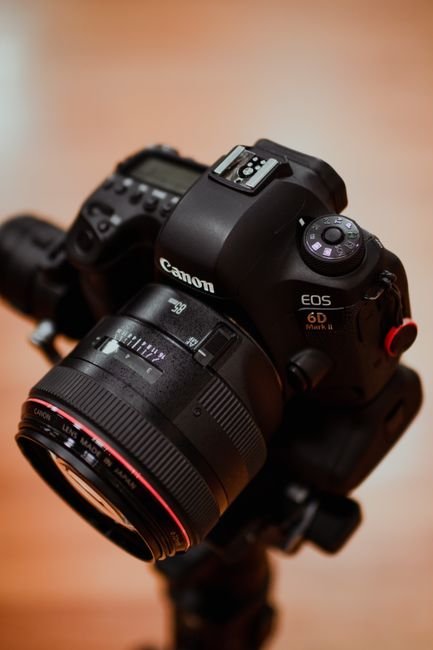
DSLR Camera Buying Guide: Your Ultimate Guide to Choosing the Perfect Model
Navigating the world of DSLR cameras can feel like venturing into a labyrinth, with myriad options, technical jargon, and varying price points. Whether you’re a budding photographer looking to elevate your craft, a seasoned enthusiast seeking an upgrade, or an individual wanting to capture life’s moments with unparalleled clarity, this comprehensive guide will demystify the process and empower you to make an informed decision. We’ll delve into the core components of a DSLR, explore essential features, and dissect the key considerations that will lead you to your perfect photographic companion.
Understanding the DSLR Ecosystem: Pixels, Sensors, and Lenses
At the heart of every DSLR lies its sensor, the digital equivalent of film, responsible for capturing light and translating it into an image. Sensor size is a crucial factor influencing image quality, particularly in low light. The two primary sensor sizes you’ll encounter are:
-
APS-C: This is the most common sensor size found in entry-level and mid-range DSLRs. APS-C sensors offer a good balance of image quality, performance, and cost. They are smaller than full-frame sensors, which can lead to a “crop factor,” effectively multiplying the focal length of your lenses. For instance, a 50mm lens on an APS-C camera will behave like a 75mm or 80mm lens (depending on the specific crop factor). This can be advantageous for telephoto photography, allowing you to achieve greater reach.
-
Full-Frame: These sensors are the same size as a 35mm film frame, offering superior image quality, dynamic range, and low-light performance. Full-frame DSLRs are generally more expensive and larger, but they provide a wider field of view with equivalent focal lengths and are preferred by professional photographers and serious enthusiasts for their artistic control and exceptional detail.
The megapixel count is often touted as a primary indicator of image quality, but it’s only one piece of the puzzle. While more megapixels can mean larger prints and more cropping flexibility, image quality is also heavily influenced by sensor size, image processor, and lens quality. For most everyday and even professional use, cameras with 20-30 megapixels offer an excellent balance.
The lens is arguably as important as the camera body itself. DSLRs utilize interchangeable lenses, allowing you to tailor your optical setup to specific shooting situations. Key lens types include:
-
Kit Lenses: These are typically bundled with entry-level DSLRs and offer a versatile zoom range (e.g., 18-55mm). They are a great starting point for beginners but often lack the sharpness and low-light capabilities of prime or higher-end zoom lenses.
-
Prime Lenses: These lenses have a fixed focal length (e.g., 50mm f/1.8). They are often sharper, have wider maximum apertures for excellent low-light performance and beautiful bokeh (background blur), and encourage more deliberate composition.
-
Zoom Lenses: These offer a variable focal length, allowing you to adjust your framing without physically moving. They are incredibly versatile but can be heavier, more expensive, and may have smaller maximum apertures compared to primes.
Essential Features to Consider
Beyond the sensor and lens mount, several other features significantly impact your DSLR experience:
-
Autofocus System: A robust autofocus system is critical for capturing sharp images, especially of moving subjects. Look for the number of autofocus points and their types (cross-type points are generally more sensitive). Advanced features like face detection and subject tracking can be invaluable.
-
ISO Sensitivity: The ISO setting determines how sensitive the sensor is to light. Higher ISO values allow you to shoot in darker conditions but can introduce digital noise (grain). A camera with a good native ISO range and effective noise reduction will produce cleaner images at higher sensitivities.
-
Shutter Speed: This controls the duration the sensor is exposed to light. Faster shutter speeds freeze motion, while slower speeds can create motion blur for artistic effect. A wide range of shutter speeds is essential for creative control.
-
Burst Shooting (Continuous Shooting): This feature allows the camera to capture multiple images in rapid succession. It’s crucial for sports photography, wildlife, and capturing fleeting moments. Look for the frames-per-second (fps) rate.
-
Video Capabilities: Many modern DSLRs excel at video recording. Consider the resolution (1080p, 4K), frame rates, and autofocus performance during video recording. Features like manual control over video settings and microphone inputs are important for videographers.
-
Viewfinder: DSLRs typically have an optical viewfinder (OVF) that provides a direct, lag-free view through the lens. Some also offer an electronic viewfinder (EVF), which displays a digital image and can show exposure previews and other information. The quality and coverage of the OVF are important for composition.
-
LCD Screen: A vari-angle or tilting LCD screen offers flexibility for shooting at awkward angles. Touchscreen functionality can also enhance usability.
-
Connectivity: Wi-Fi and Bluetooth capabilities allow for easy transfer of images to smartphones and remote camera control.
-
Build Quality and Ergonomics: A camera that feels comfortable in your hands and has well-placed controls will enhance your shooting experience. Weather sealing is a valuable feature for photographers who shoot in challenging conditions.
Categorizing DSLRs: Finding Your Fit
DSLRs can be broadly categorized based on their target audience and feature set:
-
Entry-Level DSLRs: These cameras are designed for beginners and offer a user-friendly experience with automatic modes and helpful guides. They typically feature APS-C sensors, kit lenses, and essential functionalities. They are an excellent starting point for learning photography and exploring different genres.
-
Mid-Range/Enthusiast DSLRs: Stepping up from entry-level, these cameras offer more advanced features, better build quality, and enhanced performance. They often boast more sophisticated autofocus systems, wider ISO ranges, and more robust video capabilities. These are ideal for photographers looking to grow their skills and experiment with more creative techniques.
-
Professional/Full-Frame DSLRs: These are the workhorses of the industry, offering the highest image quality, exceptional low-light performance, and professional-grade build and features. They utilize full-frame sensors and are built for demanding shooting environments and uncompromising image fidelity.
Key Considerations Before You Buy
-
Your Budget: DSLRs range from a few hundred dollars to several thousand. Determine a realistic budget that includes the camera body, at least one lens, and any necessary accessories like memory cards and a bag.
-
Your Photography Goals: What do you primarily want to photograph?
- Portraits: Look for cameras with good bokeh capabilities and lenses with wide apertures.
- Sports/Wildlife: Prioritize fast autofocus, high burst rates, and telephoto lens options.
- Landscapes: Consider high megapixel counts for detail and a wide dynamic range.
- Travel: Weight, size, and versatility of lenses are key.
- Everyday/Family: Ease of use and good all-around performance are important.
-
Brand Ecosystem: While most major brands offer excellent DSLRs, consider their lens selection and accessory availability. Canon and Nikon are the dominant players, each with a vast array of lenses and a strong community.
-
Handling and Ergonomics: If possible, visit a camera store and hold different models. How do the buttons feel? Is the grip comfortable? This subjective aspect can significantly impact your long-term satisfaction.
-
Future-Proofing: While it’s impossible to predict the future, consider cameras that offer room for growth. Can you easily upgrade lenses or add accessories as your skills and needs evolve?
By carefully considering these factors and understanding the core components and features of DSLR cameras, you’ll be well-equipped to embark on your journey to find the perfect model that will capture your world with stunning clarity and artistic expression.