The relentless sun beats down, and the air hangs thick and heavy. When the mercury rises, the desire for instant relief is palpable. While air conditioning offers powerful cooling, it can be energy-intensive and expensive. For a more immediate, efficient, and often more pleasant way to combat heat, a high-speed ceiling fan is an indispensable ally. But not all high-speed fans are created equal. Selecting the right one involves understanding key features and how they translate to superior cooling performance. This in-depth guide will equip you with the knowledge to make an informed decision, ensuring your chosen fan delivers that sought-after rapid cool-down.
Understanding the Science of Air Movement: How High-Speed Fans Work
The effectiveness of any ceiling fan, especially a high-speed model, hinges on its ability to create and maintain airflow. Unlike air conditioners that actively lower the ambient temperature, ceiling fans work on the principle of wind chill. By circulating air, they create a sensation of coolness on your skin as the moving air accelerates the evaporation of perspiration. This evaporative process is what makes you feel cooler. High-speed fans achieve this by generating a greater volume of air movement (measured in Cubic Feet per Minute or CFM) and at a higher velocity. The key is to push a significant amount of air downwards and outwards, creating a refreshing breeze that permeates the room.
Key Specifications to Decode: Your Fan Selection Blueprint
Navigating the world of high-speed ceiling fans can seem daunting with a plethora of technical jargon. However, focusing on a few critical specifications will illuminate your path to the perfect cooling solution.
- Motor Power and Type: The Heart of the Fan: The motor is the engine driving your fan’s performance. For high-speed operation, a robust motor is paramount. Look for fans with powerful AC (Alternating Current) motors, often rated in wattage. While AC motors are common, DC (Direct Current) motors are gaining popularity due to their energy efficiency and quieter operation, even at high speeds. DC motors typically use significantly less energy and offer more speed settings, allowing for finer control over airflow. The motor’s construction also matters; look for durable materials that can withstand continuous high-speed operation without overheating.
- Blade Design and Aerodynamics: Sculpting the Breeze: The shape, size, and angle of the fan blades play a crucial role in its efficiency.
- Blade Pitch (Angle): This refers to the angle at which the blades are set relative to the horizontal plane. A steeper blade pitch (typically between 12 to 16 degrees) allows the fan to move more air with each rotation, contributing to higher CFM. High-speed fans often feature more aggressive blade pitches to maximize air displacement.
- Blade Material: Common materials include metal (aluminum or steel), wood, and plastic composites. Metal blades, particularly aluminum, are often preferred for high-speed fans due to their durability and ability to maintain their shape under stress. Wood blades can be aesthetically pleasing but might be less suitable for consistently high speeds due to potential warping. Composite materials offer a good balance of durability and weight.
- Blade Span (Diameter): The diameter of the fan, measured from the tip of one blade to the tip of the opposite blade, determines the area of the room it can effectively cool. A larger room requires a larger fan. For high-speed operation, a larger span can help distribute the increased airflow more effectively across a wider area. Standard sizes range from 42 inches to 72 inches and beyond.
- Airflow (CFM): The Ultimate Measure of Cooling Power: Cubic Feet per Minute (CFM) is the most critical metric for assessing a fan’s cooling capability. It represents the volume of air the fan can move in one minute. For high-speed fans, you’ll want to aim for the highest CFM rating possible within your budget and room size. A good rule of thumb is to look for fans with CFM ratings of 5,000 or higher for effective cooling in medium to large rooms. Higher CFM generally translates to a more noticeable and rapid cool-down effect.
- Speed Settings: Precision Control: High-speed fans should offer multiple speed settings. While the “high” setting is crucial for rapid cooling, having lower speeds allows for more nuanced temperature management and energy conservation when full blast isn’t necessary. DC motor fans often boast an impressive number of speed options, sometimes up to six or more, providing exceptional flexibility.
- Noise Level: A Serene Environment: High-speed operation can sometimes be synonymous with noise. However, advancements in motor technology and blade design have led to significantly quieter high-speed fans. Look for fans that advertise low decibel (dB) ratings. While some ambient hum is expected, excessively loud operation can be disruptive. Reading user reviews can provide valuable insights into the actual noise levels experienced in real-world conditions.
- Energy Efficiency: Smart Cooling: High-speed fans, particularly those with DC motors, can be surprisingly energy-efficient. The Energy Star certification is a good indicator of a fan’s energy-saving performance. While high CFM is desirable, it shouldn’t come at the expense of exorbitant energy consumption. Compare the wattage of AC motors and the typical energy usage of DC motors to make an informed choice.
Matching the Fan to Your Space: Room Size and Ceiling Height Considerations
The effectiveness of any ceiling fan is directly tied to the space it’s intended to cool.
- Room Size:
- Small Rooms (up to 100 sq ft): A fan with a 30-42 inch blade span is usually sufficient. For high-speed cooling, prioritize CFM over sheer size.
- Medium Rooms (100-200 sq ft): A 44-52 inch blade span is ideal. Look for CFM ratings of 4,000-5,000+.
- Large Rooms (200-400 sq ft): A 52-60 inch blade span is recommended. For rapid cooling in these spaces, aim for CFM ratings of 5,000-7,000+.
- Great Rooms (over 400 sq ft): Consider multiple fans or a very large diameter fan (60 inches or more). In these expansive areas, high CFM is absolutely critical for effective air circulation.
- Ceiling Height: The distance between the fan blades and the floor is crucial for optimal airflow.
- Standard Ceilings (8-9 feet): Most standard mount ceiling fans will work well. Ensure the blades are at least 7 feet from the floor to avoid safety hazards and maximize air circulation.
- Low Ceilings (under 8 feet): Flush-mount or hugger-style fans are designed for these situations. They mount directly to the ceiling, minimizing the drop and ensuring adequate clearance. However, they may offer slightly less airflow compared to down-rod mounted fans.
- High Ceilings (over 9 feet): Use a longer down-rod to bring the fan down to an effective height for air circulation. The general rule is to add 1 foot of down-rod for every foot of ceiling height above 9 feet. This ensures the fan can effectively reach occupants with its cooling breeze.
Beyond the Basics: Additional Features for Enhanced Cooling and Convenience
While core specifications are paramount, several additional features can elevate your high-speed ceiling fan experience.
- Reversible Motor Functionality (Winter Mode): While primarily for cooling, many high-speed fans also offer a reversible motor function. In winter, this setting can be used to gently push warm air that rises to the ceiling back down into the room, contributing to a more comfortable environment and potentially reducing heating costs. This is achieved by running the fan in the opposite direction, usually at a slower speed.
- Remote Control and Smart Features: Modern high-speed fans often come equipped with remote controls, allowing you to adjust speed, direction, and even lighting (if applicable) from across the room. Smart fans integrate with home automation systems (like Alexa, Google Assistant, or Apple HomeKit), enabling voice control and scheduling, adding a layer of convenience and energy management.
- Integrated Lighting: Many ceiling fans feature integrated LED lighting. While this is a convenience feature, ensure the light output is sufficient for your needs and that it doesn’t detract from the fan’s primary cooling function. Some models allow you to control the light independently of the fan.
- Durability and Warranty: A high-speed fan is an investment. Look for manufacturers that offer substantial warranties on their motors, as this is the most critical component. Materials and build quality are also indicators of longevity. Reading reviews about a fan’s long-term performance can be invaluable.
Installation and Maintenance: Ensuring Peak Performance
Proper installation is crucial for both safety and optimal fan performance. If you are not comfortable with electrical wiring, it is highly recommended to hire a qualified electrician. Ensure the fan is securely mounted to a junction box rated for ceiling fan support. Regular maintenance, such as dusting the blades and checking for loose screws, will ensure your high-speed fan continues to deliver efficient and quiet cooling for years to come.
Choosing the Right High-Speed Ceiling Fan: A Strategic Approach
Selecting a high-speed ceiling fan is not merely about picking the fastest option. It’s a strategic decision that involves understanding your specific needs, the characteristics of your space, and the technical specifications that dictate performance. By prioritizing robust motors, efficient blade.
Colorbot Stella BLDC Ceiling Fans 1200mm | BEE 5 Star Rated Power Saver | AeroQuiet+ Technology | 370 RPM | Remote Control (Boost, Timer, LED, Reverse Mode) | 4 Years Warranty (Cocoa Brown)
₹2,499.00 (as of October 10, 2026 19:06 GMT +05:30 - More infoProduct prices and availability are accurate as of the date/time indicated and are subject to change. Any price and availability information displayed on [relevant Amazon Site(s), as applicable] at the time of purchase will apply to the purchase of this product.)
LUKER JVLuker USA Classic Swift 1200mm BLDC Ceiling Fan | IR Remote | BEE 5 Star Rated | Power Saver upto 65% | High Air Delivery | LED | 370 RPM |Reverse Mode, 3 Years Warranty, Black
₹2,199.00 (as of October 10, 2026 19:06 GMT +05:30 - More infoProduct prices and availability are accurate as of the date/time indicated and are subject to change. Any price and availability information displayed on [relevant Amazon Site(s), as applicable] at the time of purchase will apply to the purchase of this product.)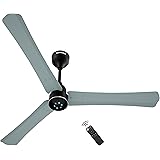
atomberg Renesa Halo Smart Alexa Enabled 1200mm BLDC Ceiling Fan with Remote | BEE 5 star | High Air Delivery | Low noise | LED Speed Indicator | Sleek Design | | 3 Year Warranty |Misty Teal
₹3,989.00 (as of October 10, 2026 19:06 GMT +05:30 - More infoProduct prices and availability are accurate as of the date/time indicated and are subject to change. Any price and availability information displayed on [relevant Amazon Site(s), as applicable] at the time of purchase will apply to the purchase of this product.)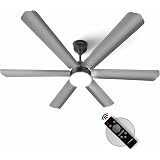
Longway Luminair 1200 mm BLDC Ceiling Fan with Remote Control & LED Light|BEE 5 Star Rated Energy Efficient|Ultra High Speed 6 Blade Anti-Dust Decorative Ceiling Fan|5 Years Warranty (Gray, Pack of 1)
₹3,499.00 (as of October 10, 2026 19:06 GMT +05:30 - More infoProduct prices and availability are accurate as of the date/time indicated and are subject to change. Any price and availability information displayed on [relevant Amazon Site(s), as applicable] at the time of purchase will apply to the purchase of this product.)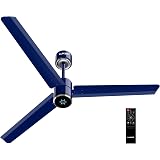
LUKER JVLuker USA Aerozen Prime 1200mm BLDC Ceiling Fan | IR Remote | BEE 5 Star | Power Saver upto 65% | High Air Delivery | U-LED Speed Indicator | Reverse Mode, 3 Years Warranty, Silver Blue Chrome
₹3,349.00 (as of October 10, 2026 19:06 GMT +05:30 - More infoProduct prices and availability are accurate as of the date/time indicated and are subject to change. Any price and availability information displayed on [relevant Amazon Site(s), as applicable] at the time of purchase will apply to the purchase of this product.)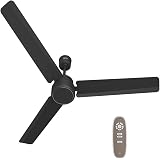
Havells REO BLDC 1200MM 5 Star Rated Ceiling Fan| Air Flow: 220 CMM| Speed: 350 RPM|Watt: 33W| Reverse Rotation Mode| Timer Setting| 2 Year Door Step Warranty By Manufacturer (Unnovate, Matte Black)
₹2,499.00 (as of October 10, 2026 19:06 GMT +05:30 - More infoProduct prices and availability are accurate as of the date/time indicated and are subject to change. Any price and availability information displayed on [relevant Amazon Site(s), as applicable] at the time of purchase will apply to the purchase of this product.)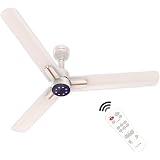
Polycab Wizzy Neo LED 1200mm BLDC Ceiling Fan with remote |BEE 5 Star Rated, Higher Air Delivery|LED Indicator,Reverse,Sleep and Breeze Mode |3 Years Warranty【Beige Rosegold】
₹2,899.00 (as of October 10, 2026 19:06 GMT +05:30 - More infoProduct prices and availability are accurate as of the date/time indicated and are subject to change. Any price and availability information displayed on [relevant Amazon Site(s), as applicable] at the time of purchase will apply to the purchase of this product.)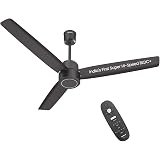
Havells EPIC STORM India's No. 1 Super Hi Speed BLDC+ Ceiling Fan|400 RPM|AC Mode|7 Speeds| Save Rs 1900 per year, 65% Less Electricity Consumption|32W Motor|3 Years Warranty (Smoke Brown)
₹3,590.00 (as of October 10, 2026 19:06 GMT +05:30 - More infoProduct prices and availability are accurate as of the date/time indicated and are subject to change. Any price and availability information displayed on [relevant Amazon Site(s), as applicable] at the time of purchase will apply to the purchase of this product.)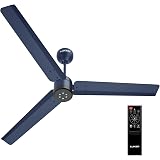
LUKER JVLuker USA Aerozen Plus 1200mm BLDC Ceiling Fan | IR Remote | BEE 5 Star | Power Saver upto 65% | High Air Delivery | LED Speed Indicator | 370 RPM |Reverse Mode, 3 Years Warranty, Ocean Blue
₹2,849.00 (as of October 10, 2026 19:06 GMT +05:30 - More infoProduct prices and availability are accurate as of the date/time indicated and are subject to change. Any price and availability information displayed on [relevant Amazon Site(s), as applicable] at the time of purchase will apply to the purchase of this product.)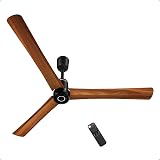
atomberg Renesa Elite Smart 1400mm BLDC Ceiling Fan with IoT & Remote Control | 5 star Rated | High Air Delivery with Moonbeam LED Light | Newly Launched | 5 Year Warranty (Golden Oakwood)
₹5,499.00 (as of October 10, 2026 19:06 GMT +05:30 - More infoProduct prices and availability are accurate as of the date/time indicated and are subject to change. Any price and availability information displayed on [relevant Amazon Site(s), as applicable] at the time of purchase will apply to the purchase of this product.)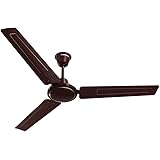
Crompton Surebreeze Sea Sapphira 1200 mm Ceiling Fan for Home | 2026 Model | BEE Star Rated | Energy Efficient | Superior Air Delivery | High Speed | 2 Year Brand Warranty | Lustre Brown
₹1,399.00 (as of October 10, 2026 19:06 GMT +05:30 - More infoProduct prices and availability are accurate as of the date/time indicated and are subject to change. Any price and availability information displayed on [relevant Amazon Site(s), as applicable] at the time of purchase will apply to the purchase of this product.)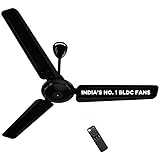
atomberg Ameza Remote Controlled 1200mm BLDC Ceiling Fan | BEE 5 Star | High Air Flow | Low Noise | Power Saving | Timeless Design with 2 Year Warranty | Gloss Black
₹2,469.00 (as of October 10, 2026 19:06 GMT +05:30 - More infoProduct prices and availability are accurate as of the date/time indicated and are subject to change. Any price and availability information displayed on [relevant Amazon Site(s), as applicable] at the time of purchase will apply to the purchase of this product.)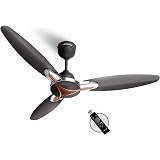
Longway Zephyr 1200 mm BLDC Ceiling Fan with Remote Control | BEE 5 Star Rated Energy Efficient | Ultra High Speed 3 Blade Anti-Dust Decorative Ceiling Fan | 3 Years Warranty (Smoked Brown, Pack of 1)
₹2,099.00 (as of October 10, 2026 19:06 GMT +05:30 - More infoProduct prices and availability are accurate as of the date/time indicated and are subject to change. Any price and availability information displayed on [relevant Amazon Site(s), as applicable] at the time of purchase will apply to the purchase of this product.)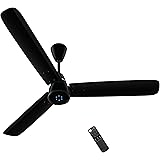
atomberg Renesa Epoque 1200mm BLDC Ceiling Fan with Remote | Advance Air+ Technology | BEE 5 star Rated | Low Noise | Sleek Design | 2 Year Warranty | Gloss Black
₹3,399.00 (as of October 10, 2026 19:06 GMT +05:30 - More infoProduct prices and availability are accurate as of the date/time indicated and are subject to change. Any price and availability information displayed on [relevant Amazon Site(s), as applicable] at the time of purchase will apply to the purchase of this product.)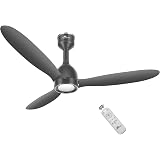
RR Signature COMFYGLOW 1250mm BLDC Underlight Ceiling Fan with 100% Pure Copper Motor - 35W | 350 RPM High Speed | Remote Control & LED Light | 3 Light Modes | 3 Year Warranty - Venetian Grey
₹3,814.00 (as of October 10, 2026 19:06 GMT +05:30 - More infoProduct prices and availability are accurate as of the date/time indicated and are subject to change. Any price and availability information displayed on [relevant Amazon Site(s), as applicable] at the time of purchase will apply to the purchase of this product.)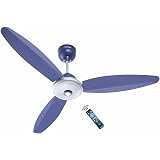
ACTIVA Gracia 1200mm BLDC Ceiling Fan with LED Light, 28W Energy Saving Motor, BEE 5 Star Rated, 3 Wider Blades, Remote Control, Silent Operation, 5 Year Warranty, Sparkle Blue
₹1,899.00 (as of October 10, 2026 19:06 GMT +05:30 - More infoProduct prices and availability are accurate as of the date/time indicated and are subject to change. Any price and availability information displayed on [relevant Amazon Site(s), as applicable] at the time of purchase will apply to the purchase of this product.)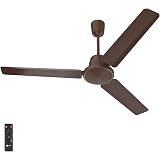
Orient Electric Apex Swift 1200mm BLDC Ceiling Fan with Remote | BEE 5 Star Rated | High Speed, Energy Saving Motor | 210 CMM Air Delivery | Inverter Compatible | 3 Year Warranty by Orient |Clay Brown
Now retrieving the price.
(as of October 10, 2026 19:06 GMT +05:30 - More infoProduct prices and availability are accurate as of the date/time indicated and are subject to change. Any price and availability information displayed on [relevant Amazon Site(s), as applicable] at the time of purchase will apply to the purchase of this product.)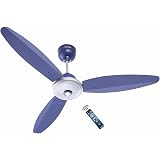
ACTIVA Gracia 1200mm Ceiling Fan with LED Light | 5 Star Energy Saving BLDC Motor | Remote Control, Reversible Mode & Timer | 3 Blade High Speed Ceiling Fan | 4 Year Warranty | Sparkle Blue
₹1,898.00 (as of October 10, 2026 19:06 GMT +05:30 - More infoProduct prices and availability are accurate as of the date/time indicated and are subject to change. Any price and availability information displayed on [relevant Amazon Site(s), as applicable] at the time of purchase will apply to the purchase of this product.)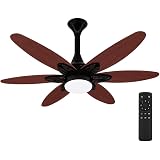
XUGA Velor F11P 1200mm Premium BLDC Ceiling Fan with Remote Control | Energy Saving Silent Copper Motor | 340 CMM High Air Delivery, 5 Years Warranty (Oakwood Finish)
₹4,179.00 (as of October 10, 2026 19:06 GMT +05:30 - More infoProduct prices and availability are accurate as of the date/time indicated and are subject to change. Any price and availability information displayed on [relevant Amazon Site(s), as applicable] at the time of purchase will apply to the purchase of this product.)