Selecting the ideal refrigerator is a cornerstone of a functional and efficient kitchen. Beyond simply keeping food cold, a modern refrigerator is a sophisticated appliance that impacts energy consumption, food preservation, organization, and even the aesthetic of your culinary space. Navigating the vast array of options can feel overwhelming, but with a strategic approach, you can find the perfect fit for your household’s needs. This comprehensive guide will equip you with the knowledge to make an informed decision, ensuring your investment serves you well for years to come.
Understanding Refrigerator Types: A Foundation for Choice
The first step in your refrigerator journey involves understanding the primary configurations available. Each type offers distinct advantages in terms of space utilization, accessibility, and aesthetic appeal.
-
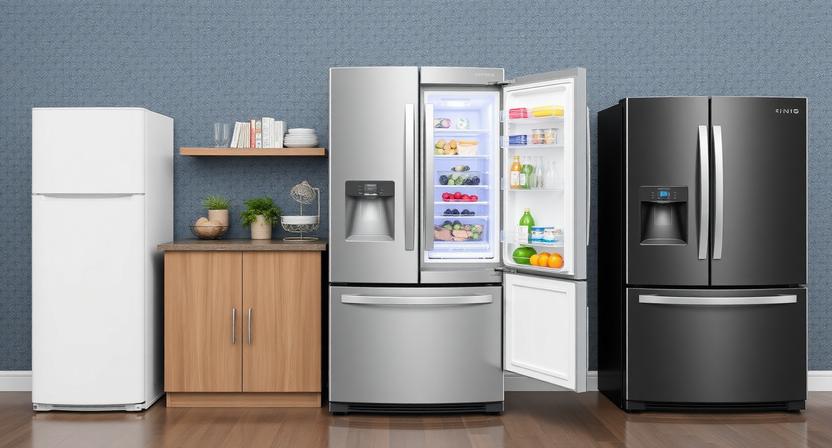
Top-Freezer Refrigerators: The classic and often most budget-friendly option, top-freezer models place the freezer compartment above the refrigerator. This design is familiar and generally offers good capacity for both sections. They are a reliable choice for those prioritizing simplicity and cost-effectiveness. Their straightforward design often translates to fewer complex features and thus, potentially fewer points of failure.
-
Bottom-Freezer Refrigerators: Reversing the top-freezer layout, these models feature the freezer at the bottom and the refrigerator on top. This arrangement is favored by many for its ergonomic benefits, as the most frequently accessed refrigerator section is at eye level. This reduces bending and reaching, making it more convenient for daily use. Many bottom-freezer models also offer a pull-out freezer drawer, providing easy access to frozen goods.
-
Side-by-Side Refrigerators: Characterized by vertical compartments for both the refrigerator and freezer, side-by-side models offer excellent accessibility to both sections. The narrow doors require less clearance, making them suitable for tighter kitchen layouts. They often come equipped with external ice and water dispensers, adding significant convenience. The vertical split allows for organized storage within each compartment, making it easy to find items.
-
French Door Refrigerators: Arguably the most popular configuration in recent years, French door refrigerators boast two narrow refrigerator doors that open from the center, revealing a wide refrigerator compartment. Below this, a pull-out freezer drawer offers ample frozen storage. This design combines the ergonomic advantages of bottom-freezers with the expansive refrigerator space of a traditional fridge. The wide refrigerator interior is perfect for accommodating large platters and bulky items.
-
Counter-Depth Refrigerators: This category refers to the depth of the refrigerator, not its configuration. Counter-depth models are designed to sit flush with your cabinetry, creating a more integrated and streamlined look. While they may offer slightly less internal capacity than their standard-depth counterparts, the aesthetic improvement is often a significant draw for homeowners seeking a high-end kitchen appearance.
-
Built-In Refrigerators: For the ultimate in seamless integration and luxury, built-in refrigerators are designed to be fully integrated into cabinetry, often with custom panels to match your kitchen’s design. These are premium appliances offering superior performance and a bespoke look, but come with a higher price tag.
Key Features to Consider: Beyond Basic Cooling
Once you’ve identified the ideal configuration, delve into the specific features that will enhance your refrigerator’s functionality and your daily life.
-
Capacity (Cubic Feet): This is a critical metric. A general rule of thumb suggests 4-6 cubic feet of refrigerator space per adult occupant. However, consider your household’s eating habits, whether you frequently entertain, and if you buy in bulk. Measure your existing refrigerator’s internal dimensions and your most frequently used large items (e.g., pizza boxes, large serving dishes) to gauge what will fit comfortably.
-
Energy Efficiency (Energy Star Rating): Refrigerators are significant energy consumers. Look for the Energy Star certification, which indicates the appliance meets strict energy efficiency guidelines set by the U.S. Environmental Protection Agency. An Energy Star-rated refrigerator can significantly reduce your electricity bills and environmental impact over its lifespan. Pay attention to the estimated annual energy consumption (kWh/year) listed on the EnergyGuide label.
-
Cooling Technology: Modern refrigerators employ various cooling systems to maintain optimal temperatures and humidity levels.
- Single Evaporator Systems: Traditional systems use one evaporator for both the refrigerator and freezer. This can sometimes lead to odor transfer between compartments and less precise temperature control.
- Dual Evaporator Systems: These systems utilize separate evaporators for the refrigerator and freezer. This prevents odor transfer, allows for independent temperature and humidity control in each section, and generally leads to better food preservation. This is a highly recommended feature for superior performance.
- Multi-Airflow Systems: These systems distribute cool air more evenly throughout the refrigerator, eliminating “hot spots” and ensuring consistent temperatures for all your food.
-
Temperature and Humidity Controls: Look for refrigerators with independent temperature controls for both the refrigerator and freezer sections. Advanced models offer digital displays and precise settings. Adjustable humidity-crisper drawers are essential for keeping fruits and vegetables fresh for longer periods. Some models feature specialized drawers for meats, deli items, or even wine.
-
Ice Makers and Water Dispensers:
- Internal vs. External Ice Makers: Internal ice makers are concealed within the freezer, while external ice makers are integrated into the freezer door. External dispensers offer convenience but can reduce freezer space and may require more frequent maintenance.
- Filtered Water Dispensers: Many refrigerators offer filtered water and ice dispensers. Ensure the filter is easily accessible for replacement and consider the cost and availability of replacement filters. Some advanced dispensers offer features like measured fill or crushed ice.
-
Shelving and Drawer Configuration: Flexible and adjustable shelving is paramount for maximizing storage space and accommodating items of various sizes. Look for spill-proof shelves, slide-out shelves for easy access, and well-designed crisper drawers. Consider the number and type of door bins for storing condiments, beverages, and smaller items.
-
Noise Level: Refrigerators can be a constant source of background noise. Check the decibel (dB) rating if available, or read reviews to gauge the noise level. Inverter compressors are often quieter and more energy-efficient.
-
Smart Features: The advent of smart refrigerators brings added convenience and functionality. These appliances can connect to your home Wi-Fi and offer features like:
- Internal Cameras: View the contents of your refrigerator remotely via a smartphone app, helping you avoid duplicate purchases.
- Touchscreen Displays: Control temperature, create shopping lists, leave notes for family members, and even browse recipes.
- Integration with Smart Home Ecosystems: Control your refrigerator with voice commands through platforms like Amazon Alexa or Google Assistant.
- Diagnostics and Alerts: Receive notifications for potential issues or when a door is left open.
-
Finish and Aesthetics: The exterior finish of your refrigerator can significantly impact your kitchen’s overall look. Common options include:
- Stainless Steel: A popular choice for its durability and modern appearance. Fingerprint-resistant finishes are a valuable upgrade.
- Black Stainless Steel: Offers a sleek, sophisticated look that is less prone to showing smudges than traditional stainless steel.
- White/Black: Classic, budget-friendly, and easy to clean.
- Custom Panel Ready: Allows you to match your refrigerator to your cabinetry for a truly integrated look.
Measuring Your Space: A Crucial Step
Before you fall in love with a particular model, precise measurements are non-negotiable.
- Width: Measure the opening where the refrigerator will be placed. Ensure you have a few inches of clearance on each side for proper ventilation, as recommended by the manufacturer.
- Height: Measure the height of the opening, again accounting for any overhead cabinets or moldings.
- Depth: Measure the depth of the opening. Consider both the refrigerator’s physical depth and the required clearance for the doors to open fully and for ventilation at the back. Counter-depth models require specific considerations for door swing and how far they will protrude into your kitchen space.
- Door Swing Clearance: Crucially, ensure there’s enough space for the refrigerator doors to open completely without obstruction from walls, cabinets, or other appliances. Measure the path the door will swing.
Budgeting for Your Investment
Refrigerator prices vary widely based on type, size, features, and brand.
- Entry-Level: Top-freezer models typically fall into the lower price range.
- Mid-Range: Bottom-freezer and standard side-by-side models offer a good balance of features and price.
- High-End: French door, counter-depth, and built-in refrigerators, especially those with advanced smart features, represent the higher end of the market.
Don’t forget to factor in the cost of delivery, installation, and potential extended warranties. Consider the long-term cost of energy consumption when comparing models.
Brands and Reliability: Research and Reviews
Reputable brands often offer better build quality, advanced features, and more reliable performance. Research brands known for their refrigerators, such as LG, Samsung, Whirlpool, GE, Bosch, and KitchenAid. Read customer reviews from multiple sources to get a well-rounded perspective on reliability, performance, and customer service. Pay attention to reviews that discuss longevity and repair history.
Installation and Maintenance: Ensuring Longevity
Proper installation is crucial for optimal performance and longevity. Ensure your chosen retailer offers professional installation, or if doing it yourself, follow the manufacturer’s instructions meticulously.
Samsung 236 L, 3 Star, Convertible, Digital Inverter Frost Free Double Door Refrigerator (RT40H28U3FHL, Black DOI, 2026 Model)
₹27,990.00 (as of October 10, 2026 12:26 GMT +05:30 - More infoProduct prices and availability are accurate as of the date/time indicated and are subject to change. Any price and availability information displayed on [relevant Amazon Site(s), as applicable] at the time of purchase will apply to the purchase of this product.)
Samsung 653 L, 3 Star, Frost Free, Double Door, Convertible 5-in-1 Digital Inverter, Side By Side AI Enabled Smart Refrigerator with WiFi (RS76CG8003S9HL, Silver, Refined Inox)
₹79,990.00 (as of October 10, 2026 12:26 GMT +05:30 - More infoProduct prices and availability are accurate as of the date/time indicated and are subject to change. Any price and availability information displayed on [relevant Amazon Site(s), as applicable] at the time of purchase will apply to the purchase of this product.)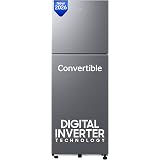
Samsung 256 L, 3 Star, Convertible, Digital Inverter Frost Free Double Door Refrigerator (RT40H30U3THL, Silver, Refined Inox, 2026 Model)
₹31,990.00 (as of October 10, 2026 12:26 GMT +05:30 - More infoProduct prices and availability are accurate as of the date/time indicated and are subject to change. Any price and availability information displayed on [relevant Amazon Site(s), as applicable] at the time of purchase will apply to the purchase of this product.)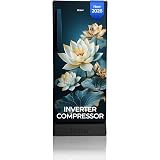
Haier 190 L 5 Star Direct Cool Inverter Single Door Refrigerator with Fast Ice Making, Easy Clean Back, Large Vegetable Box (HED-205TGCBA-N, Green Camellia, Base Stand Drawer, 2026 Model)
₹17,490.00 (as of October 10, 2026 12:26 GMT +05:30 - More infoProduct prices and availability are accurate as of the date/time indicated and are subject to change. Any price and availability information displayed on [relevant Amazon Site(s), as applicable] at the time of purchase will apply to the purchase of this product.)
Haier 190 L 4 Star Direct Cool Single Door Refrigerator with Fast Ice Making, Easy Clean Back, Large Vegetable Box (HED-204TMIBA-N, Marine Ivy, Base Stand Drawer, 2026 Model)
₹16,690.00 (as of October 10, 2026 12:26 GMT +05:30 - More infoProduct prices and availability are accurate as of the date/time indicated and are subject to change. Any price and availability information displayed on [relevant Amazon Site(s), as applicable] at the time of purchase will apply to the purchase of this product.)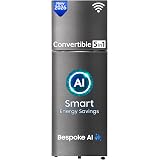
Samsung 330 L, 3 Star, Convertible 5-in-1, Digital Inverter, Frost Free Double Door, WiFi Bespoke AI Refrigerator (RT34HG5A23BXHL, Luxe Black, 2026 Model)
₹42,990.00 (as of October 10, 2026 12:26 GMT +05:30 - More infoProduct prices and availability are accurate as of the date/time indicated and are subject to change. Any price and availability information displayed on [relevant Amazon Site(s), as applicable] at the time of purchase will apply to the purchase of this product.)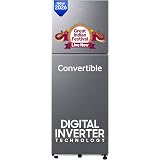
Samsung 236 L, 3 Star, Convertible, Digital Inverter Frost Free Double Door Refrigerator (RT40H28U3THL, Silver, Refined Inox, 2026 Model)
₹27,490.00 (as of October 10, 2026 12:26 GMT +05:30 - More infoProduct prices and availability are accurate as of the date/time indicated and are subject to change. Any price and availability information displayed on [relevant Amazon Site(s), as applicable] at the time of purchase will apply to the purchase of this product.)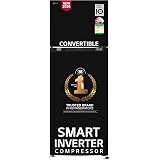
LG 276 L, 2 Star, Smart Inverter, Smart & Dairy Mode, Frost-Free Double Door Convertible Refrigerator (GLT2826XWOB, Onyx Black, Multi Air Flow & Convertible Space for More Storage, 2026 Model)
₹30,990.00 (as of October 10, 2026 12:26 GMT +05:30 - More infoProduct prices and availability are accurate as of the date/time indicated and are subject to change. Any price and availability information displayed on [relevant Amazon Site(s), as applicable] at the time of purchase will apply to the purchase of this product.)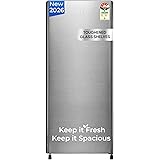
Haier 190 L 4 Star Direct Cool Single Door Refrigerator with Fast Ice Making, Easy Clean Back, Large Vegetable Box (HED-204TDSA-N, Dazzle Steel, 2026 Model)
₹15,290.00 (as of October 10, 2026 12:26 GMT +05:30 - More infoProduct prices and availability are accurate as of the date/time indicated and are subject to change. Any price and availability information displayed on [relevant Amazon Site(s), as applicable] at the time of purchase will apply to the purchase of this product.)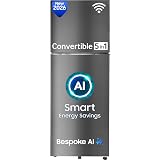
Samsung 350 L, 3 Star, Convertible 5-in-1, Digital Inverter, Frost Free Double Door, WiFi Bespoke AI Refrigerator (RT38HG5A23S8HL, Silver, Elegant Inox, 2026 Model)
₹44,990.00 (as of October 10, 2026 12:26 GMT +05:30 - More infoProduct prices and availability are accurate as of the date/time indicated and are subject to change. Any price and availability information displayed on [relevant Amazon Site(s), as applicable] at the time of purchase will apply to the purchase of this product.)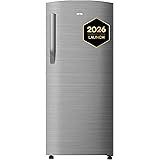
IFB 197L 5 Star Advanced Inverter Direct-Cool Single Door Refrigerator with 30 Hrs Cooling Retention, XL Bottle Bin, Big Vegetable Box & 4 Year Super Warranty (2026, IFBDC-223EYBSE, Brush Grey)
₹17,490.00 (as of October 10, 2026 12:26 GMT +05:30 - More infoProduct prices and availability are accurate as of the date/time indicated and are subject to change. Any price and availability information displayed on [relevant Amazon Site(s), as applicable] at the time of purchase will apply to the purchase of this product.)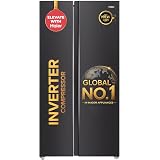
Haier 540 L 3 Star Frost Free Inverter Side by Side Refrigerator (HRS-615LB, Luxe Black, 360° Magic Cooling for Uniform Freshness, Dual Fresh Drawers for freshness, Deo Fresh Technology, 2026 Model)
₹57,990.00 (as of October 10, 2026 12:26 GMT +05:30 - More infoProduct prices and availability are accurate as of the date/time indicated and are subject to change. Any price and availability information displayed on [relevant Amazon Site(s), as applicable] at the time of purchase will apply to the purchase of this product.)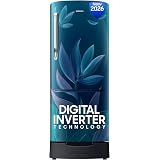
Samsung 183 L, 4 Star, Digital Inverter, Direct-Cool Single Door Refrigerator (RR20H28249U/NL, Paradise Bloom Blue, Base Stand Drawer, Single Touch Defrost, 2026 Model)
₹16,790.00 (as of October 10, 2026 12:26 GMT +05:30 - More infoProduct prices and availability are accurate as of the date/time indicated and are subject to change. Any price and availability information displayed on [relevant Amazon Site(s), as applicable] at the time of purchase will apply to the purchase of this product.)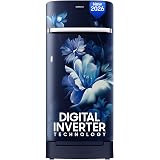
Samsung 189 L, 5 Star, Digital Inverter, Direct-Cool Single Door Refrigerator (RR21H2H25UZ/HL, Midnight Blossom Blue, Base Stand Drawer, Single Touch Defrost, 2026 Model)
₹17,990.00 (as of October 10, 2026 12:26 GMT +05:30 - More infoProduct prices and availability are accurate as of the date/time indicated and are subject to change. Any price and availability information displayed on [relevant Amazon Site(s), as applicable] at the time of purchase will apply to the purchase of this product.)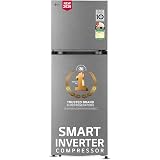
LG 251 L, 2 Star, Frost-Free Smart Inverter Double Door Convertible Refrigerator (GLT2526XWDS, Dazzle Steel, Multi Air Flow Cooling, Smart & Dairy Mode, Convertible Space for More Storage, 2026 Model)
₹27,990.00 (as of October 10, 2026 12:26 GMT +05:30 - More infoProduct prices and availability are accurate as of the date/time indicated and are subject to change. Any price and availability information displayed on [relevant Amazon Site(s), as applicable] at the time of purchase will apply to the purchase of this product.)
IFB Smart Choice 241L 3Star 10 in 1 Convertible,Advanced Inverter Frost-Free Double Door Refrigerator with 30 Hrs Cooling Retention,Freezer LED &4 Year Super Warranty (2026,IFBFF-291CYOSETM,Onyx Grey)
₹28,490.00 (as of October 10, 2026 12:26 GMT +05:30 - More infoProduct prices and availability are accurate as of the date/time indicated and are subject to change. Any price and availability information displayed on [relevant Amazon Site(s), as applicable] at the time of purchase will apply to the purchase of this product.)
Samsung 350 L, 3 Star, Convertible 5-in-1, Digital Inverter, Frost Free Double Door, WiFi Bespoke AI Refrigerator (RT38HG5A23BXHL, Luxe Black, 2026 Model)
₹45,490.00 (as of October 10, 2026 12:26 GMT +05:30 - More infoProduct prices and availability are accurate as of the date/time indicated and are subject to change. Any price and availability information displayed on [relevant Amazon Site(s), as applicable] at the time of purchase will apply to the purchase of this product.)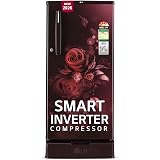
LG 185 L, 4 Star, Smart Inverter, Direct Cool Single Door Refrigerator (GLD1945ZOSE, Scarlet Euphoria, Base stand with Drawer)
₹16,890.00 (as of October 10, 2026 12:26 GMT +05:30 - More infoProduct prices and availability are accurate as of the date/time indicated and are subject to change. Any price and availability information displayed on [relevant Amazon Site(s), as applicable] at the time of purchase will apply to the purchase of this product.)
Samsung 330 L, 3 Star, Convertible 5-in-1, Digital Inverter, Frost Free Double Door, WiFi Bespoke AI Refrigerator (RT34HG5A23S8HL, Silver, Elegant Inox, 2026 Model)
₹41,990.00 (as of October 10, 2026 12:26 GMT +05:30 - More infoProduct prices and availability are accurate as of the date/time indicated and are subject to change. Any price and availability information displayed on [relevant Amazon Site(s), as applicable] at the time of purchase will apply to the purchase of this product.)