
Conquer the Elements: Choosing the Right 4K Waterproof Action Camera
The thrill of adventure demands gear that can keep pace. For capturing breathtaking vistas, exhilarating stunts, and unforgettable moments in challenging environments, a 4K waterproof action camera is no longer a luxury, but a necessity. These compact powerhouses offer stunning video resolution, rugged durability, and the freedom to document your exploits without fear of the elements. But with a dizzying array of options, how do you navigate the market and choose the perfect companion for your next expedition? This guide will equip you with the knowledge to conquer the elements and select the ideal 4K waterproof action camera.
Understanding the Core Pillars: Resolution, Waterproofing, and Durability
At the heart of any action camera are three fundamental considerations: 4K Resolution, Waterproofing capabilities, and overall Durability.
4K Resolution: The Pinnacle of Detail
The “4K” in 4K action camera refers to its ability to record video at a resolution of 3840 x 2160 pixels. This is four times the detail of Full HD (1080p), resulting in incredibly sharp, vibrant, and immersive footage. When you’re scaling a mountain, diving into the ocean, or shredding down a ski slope, every subtle texture, every fleeting expression, and every expansive landscape will be captured with astonishing clarity.
- Frame Rates Matter: Beyond the resolution, the frame rate is crucial for smooth motion. For action-packed scenes, higher frame rates like 60fps or even 120fps at 4K (though less common) are essential for slow-motion capabilities and preventing choppiness. Even at 1080p, 120fps or 240fps can offer dramatic slow-motion effects. Consider the types of action you’ll be filming. Fast-paced sports will benefit from higher frame rates.
- Bitrate and Codecs: Higher bitrates and efficient codecs (like H.265/HEVC) allow cameras to pack more information into the video file, leading to better image quality with less compression. This is particularly important for post-production editing and color grading.
- Sensor Size and Image Processor: While often not explicitly advertised, the size of the image sensor and the power of the processor significantly impact low-light performance, dynamic range, and overall image quality. Larger sensors generally perform better in challenging lighting conditions.
Waterproofing: Your Aquatic Ally
The allure of underwater exploration, whitewater rafting, or simply capturing a rainy day adventure hinges on the camera’s ability to withstand water ingress. Action cameras approach waterproofing in two primary ways:
- Built-in Waterproofing: Many modern action cameras boast impressive built-in waterproofing, allowing them to be submerged to significant depths (often 10-33 meters or 33-108 feet) without any additional housing. This offers a sleek, unencumbered experience.
- Waterproof Housings: For deeper dives or extreme environments, a dedicated waterproof housing is often required. These robust cases provide an extra layer of protection and can extend the camera’s submersible depth significantly, sometimes to 60 meters (200 feet) or more. Ensure the housing is compatible with your chosen camera model.
Key Waterproofing Considerations:
- Depth Rating: Always check the stated depth rating and adhere to it strictly. Exceeding the limit can lead to irreparable damage.
- Seals and Latches: Inspect the seals and latches of any included housing for wear and tear. A compromised seal is the most common cause of water damage.
- Touchscreen Functionality Underwater: Some cameras’ touchscreens may not function reliably underwater. Physical buttons become essential in these scenarios.
Durability: Built to Withstand the Grind
Action cameras are designed for the rough and tumble of adventure. Beyond waterproofing, they need to be robust enough to handle drops, impacts, and extreme temperatures.
- Shock Resistance: Most action cameras are designed to be shock-resistant, but the degree of this resistance can vary. Look for specifications related to drop heights or military-grade durability (MIL-STD-810G).
- Temperature Tolerance: If your adventures take you to extreme climates, consider cameras with a wider operating temperature range.
- Lens Protection: The lens is the most vulnerable part of the camera. Many cameras feature scratch-resistant lenses, and a good quality screen protector or a protective lens cap can offer additional peace of mind.
Beyond the Basics: Essential Features for Enhanced Performance
Once you’ve grasped the fundamental pillars, delve into the features that will elevate your filming experience.
Image Stabilization: Smooth Operator
Capturing steady footage while you’re on the move is paramount. Electronic Image Stabilization (EIS) and Optical Image Stabilization (OIS) are the two primary technologies.
- EIS: This digital method analyzes footage and digitally crops and shifts the image to counteract shake. It’s effective but can sometimes lead to a slight loss of field of view or image quality.
- OIS: This mechanical system physically moves the lens or sensor to compensate for movement. It generally offers superior stabilization with less impact on image quality but is less common in smaller action cameras.
- Gimbal Integration: For the absolute smoothest footage, consider if your camera integrates well with external gimbals.
Battery Life: Powering Your Adventures
Action camera batteries are notoriously power-hungry, especially when recording in 4K.
- Battery Capacity: Look for specifications in mAh (milliampere-hours) to gauge the battery’s capacity.
- Removable Batteries: Removable batteries are a game-changer, allowing you to swap in a fresh one on the go. This is crucial for long days of filming.
- External Power Options: Some cameras support external USB power banks for extended recording sessions.
- Power-Saving Modes: Familiarize yourself with any power-saving features the camera offers.
Connectivity and Control: Seamless Integration
Modern action cameras offer a range of connectivity options for easy operation and content management.
- Wi-Fi and Bluetooth: These allow you to connect your camera to your smartphone or tablet via a dedicated app. This enables remote control, live preview, quick file transfers, and even live streaming.
- GPS: Built-in GPS can tag your footage with location data, which is invaluable for creating travelogues or analyzing your routes.
- Voice Control: Some cameras offer hands-free operation through voice commands, a lifesaver when your hands are occupied.
- External Microphone Input: For superior audio quality, especially in noisy environments, an external microphone input is a highly sought-after feature.
User Interface and Ergonomics: Intuitive Operation
You’ll be interacting with your camera in challenging conditions, so an intuitive user interface and comfortable ergonomics are essential.
- Screen Size and Brightness: A clear, bright touchscreen is vital for framing shots and navigating menus, especially in direct sunlight.
- Button Layout: Easy-to-access physical buttons are a lifesaver when wearing gloves or dealing with wet hands.
- Menu Navigation: A logical and straightforward menu system will save you time and frustration.
Specialized Features: Tailoring to Your Needs
Depending on your specific activities, certain specialized features can make a significant difference.
- Superview/Wide-Angle Lens: Most action cameras boast an ultra-wide field of view, capturing a vast amount of the scene. “Superview” modes often offer an even wider, slightly distorted perspective.
- Time-Lapse and Slow-Motion: These creative modes allow you to condense long periods into short clips or highlight fleeting moments.
- Night Mode/Low-Light Performance: If you plan to film in dimly lit environments, look for cameras with advanced low-light capabilities and features like night vision.
- HDR (High Dynamic Range): HDR helps capture detail in both the bright highlights and dark shadows of a scene, resulting in a more balanced and natural-looking image.
- Color Profiles and LUT Support: For advanced users, the ability to record in flat color profiles or support for Look-Up Tables (LUTs) provides greater flexibility in post-production color grading.
- Built-in Editing Features: Some cameras offer basic in-camera editing capabilities, allowing you to trim clips or create quick montages.
The Leading Contenders: Popular Brands and Models
While specific models change rapidly, understanding the major players in the action camera market is beneficial.
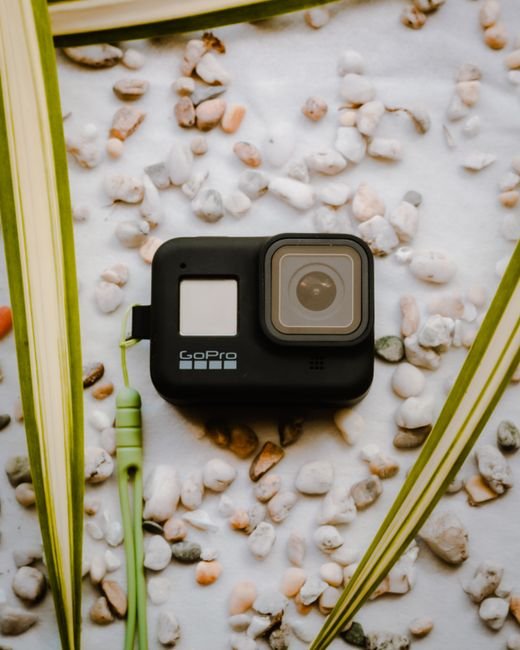
- GoPro: The undisputed king of action cameras, GoPro consistently pushes the boundaries with innovative features, exceptional image quality, and a vast ecosystem of accessories. Their Hero series is the benchmark for performance.
- DJI: Known for its drones, DJI has entered the action camera market with its Osmo Action line, offering impressive stabilization, robust build quality, and competitive pricing.
- Insta360: This brand excels in 360-degree cameras, offering unique perspectives and immersive content creation. They also offer traditional action cameras with innovative features.
- Akaso/Apeman/Campark: These brands often provide more budget-friendly alternatives, offering decent 4K capabilities and waterproofing at a lower price point. However, image quality and advanced features may be compromised.
Making the Final Decision: A Checklist
To simplify your choice, consider these questions:
- What is your primary activity? (e