
High-Speed Ceiling Fans vs. Standard Models: A Deep Dive into Airflow and Efficiency
The humble ceiling fan, once a simple oscillating appliance, has evolved into a sophisticated tool for climate control and energy efficiency. In today’s market, consumers face a key decision: opting for a standard ceiling fan or investing in a high-speed model. This choice hinges on a nuanced understanding of airflow dynamics, energy consumption, and intended use. While both aim to circulate air, their mechanisms and outcomes differ significantly, impacting comfort, electricity bills, and overall room ambiance.
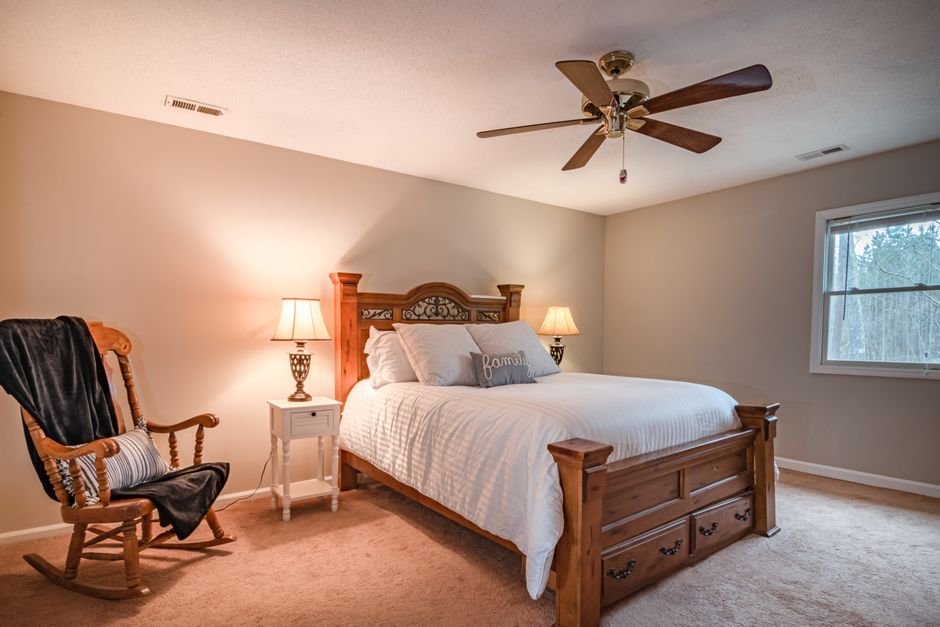
Standard ceiling fans, the ubiquitous presence in many homes, typically operate at lower revolutions per minute (RPM). Their blade design and motor power are optimized for a gentle, consistent airflow. This creates a pleasant, indirect cooling effect, ideal for general air circulation in living rooms, bedrooms, and dining areas. The primary benefit of standard models lies in their affordability and simplicity. They are generally less expensive to purchase and require minimal maintenance. Their lower RPM also translates to quieter operation, making them a preferred choice for bedrooms where noise can be a significant disruption to sleep. The air movement generated by standard fans is sufficient to create a noticeable breeze, which, through evaporative cooling on the skin, provides a sensation of reduced temperature. However, for rooms with high ceilings, large open spaces, or in regions experiencing extreme heat, a standard fan might struggle to deliver adequate airflow for optimal comfort. The limited air displacement means that the cooling effect is localized and less pronounced.
High-speed ceiling fans, on the other hand, are engineered for a more powerful and rapid air circulation. They achieve this through a combination of factors: higher RPM motors, more aerodynamic blade designs, and often, larger blade spans. These fans are designed to move a significantly greater volume of air per minute, measured in cubic feet per minute (CFM). This increased airflow can create a more pronounced cooling effect, akin to a stronger natural breeze. The primary advantage of high-speed fans is their superior cooling capability, especially in larger or hotter environments. They can effectively cool down rooms much faster and provide a more substantial and widespread cooling sensation. This makes them an excellent choice for spaces where comfort is paramount, such as home gyms, workshops, kitchens, or living areas prone to high temperatures. Furthermore, some high-speed models are designed with specific blade pitch and motor efficiency in mind, potentially offering better energy efficiency per unit of airflow compared to older, less advanced standard models. This is because a more powerful motor, when designed for efficiency, can move more air with less wasted energy.
The energy consumption of ceiling fans is a critical consideration. While both types of fans consume considerably less electricity than air conditioning units, there are differences. Standard fans, due to their lower RPM and less powerful motors, generally consume less energy. Their operating costs are typically lower on a per-hour basis. However, the efficacy of their cooling might necessitate longer operating times to achieve the desired comfort level, potentially offsetting some of the energy savings. High-speed fans, with their more powerful motors, inherently consume more electricity when operating at their maximum speed. The difference in wattage can be noticeable, especially if the fan is run continuously. Nevertheless, the enhanced cooling power of high-speed models can lead to a reduction in air conditioning usage. By effectively lowering the perceived temperature through air movement, users may be able to set their thermostats a few degrees higher, leading to significant overall energy savings. The key lies in matching the fan’s capability to the room’s needs. Over-speccing a small room with a high-speed fan might lead to unnecessary energy expenditure and an overly strong breeze. Conversely, underserving a large, hot space with a standard fan will result in inadequate cooling and potential reliance on less efficient cooling methods.
Blade design plays a pivotal role in the performance of both fan types. Standard fans often feature wider, more traditional blade shapes with a moderate pitch. This design prioritizes smooth, quiet airflow. High-speed fans, however, frequently utilize narrower, more aerodynamically sculpted blades. These blades are often designed with a steeper pitch, allowing them to cut through the air more effectively and generate greater thrust. The materials used in blade construction also influence performance. While traditional wood or composite blades are common in standard fans, high-speed models may incorporate lighter, more rigid materials like metal or reinforced plastics to withstand higher rotational speeds and optimize airflow. The number of blades also factors in. While four or five blades are typical for standard fans, some high-speed models might feature three blades designed for maximum air displacement. The balance and alignment of the blades are paramount for both types, ensuring smooth operation and preventing wobble, which can be exacerbated at higher speeds.
Installation considerations also differ. Standard fans are generally straightforward to install, often requiring basic electrical knowledge and mounting to a standard ceiling junction box. High-speed fans, particularly those designed for commercial or industrial applications, might require more robust mounting hardware and potentially stronger ceiling support due to their increased weight and the forces generated by their high-speed rotation. Electrical wiring might also be more complex for high-speed models, especially if they incorporate advanced features like variable speed controls or smart home integration.
Noise levels are a significant differentiator. Standard fans are lauded for their quiet operation, making them ideal for bedrooms, nurseries, and quiet living spaces. The lower RPM and gentler air movement contribute to minimal noise. High-speed fans, by their very nature, tend to be louder, especially when operating at their highest settings. The increased motor speed and the forceful displacement of air generate a more audible hum or whir. While some manufacturers are developing quieter high-speed models, it’s generally a trade-off between powerful airflow and serene silence. For applications where noise is a critical concern, such as a home library or a meditation room, a standard fan might be the more appropriate choice, even if it means sacrificing some cooling intensity.
The aesthetic appeal of ceiling fans has also evolved. While standard fans offer a wide range of styles, from traditional to contemporary, high-speed models are increasingly incorporating sleek, modern designs. Many high-speed fans feature minimalist aesthetics with metallic finishes or integrated LED lighting, making them a statement piece as well as a functional appliance. The focus on aerodynamic efficiency in high-speed fan design often translates into a more industrial or performance-oriented look.
Ultimately, the choice between a high-speed ceiling fan and a standard model boils down to a careful assessment of individual needs and environmental factors. For average-sized rooms in temperate climates where gentle air circulation is sufficient, a standard fan offers an economical and quiet solution. For larger spaces, hotter climates, or areas where more vigorous air movement is desired for enhanced cooling and potential air conditioning reduction, a high-speed fan provides superior performance. Understanding the interplay of RPM, CFM, blade design, and energy consumption empowers consumers to make an informed decision that optimizes comfort, efficiency, and value.