
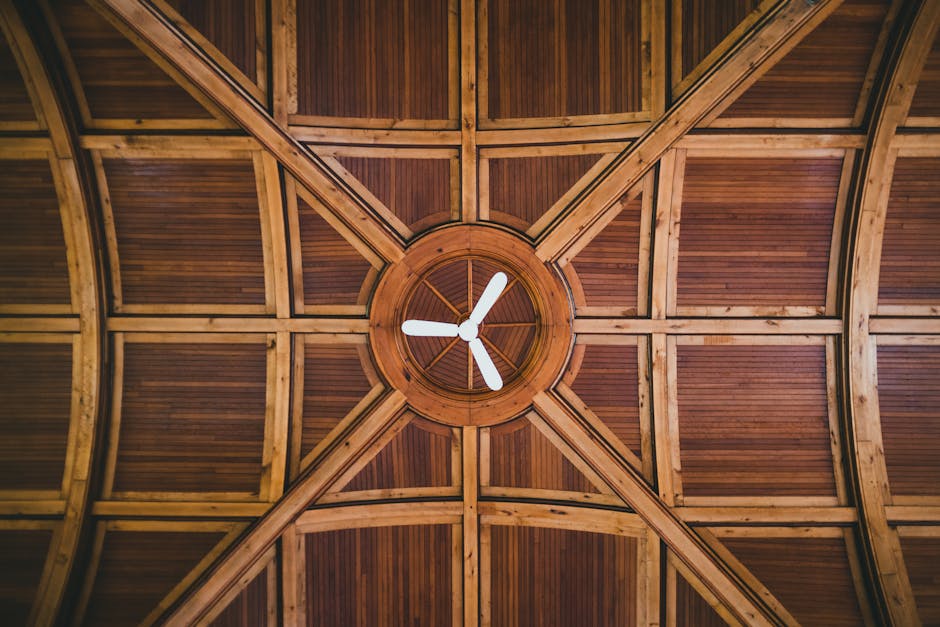
Elevating Your Comfort: A Deep Dive into Choosing the Right High-Speed Ceiling Fan
The quest for optimal room comfort often leads us to consider various cooling solutions, and a high-speed ceiling fan stands as a powerful, energy-efficient, and stylish contender. Beyond simply circulating air, these modern marvels offer enhanced cooling capabilities, contributing significantly to a pleasant indoor environment. However, navigating the vast array of options can be daunting. This comprehensive guide will equip you with the knowledge to select the perfect high-speed ceiling fan, transforming your living space into an oasis of cool tranquility.
Understanding High-Speed Ceiling Fans: More Than Just Air Movement
Traditional ceiling fans are designed for gentle air circulation. High-speed ceiling fans, on the other hand, are engineered for more robust airflow, often featuring powerful motors and optimized blade designs to deliver a noticeable cooling effect. This increased airflow can significantly impact perceived temperature, making a room feel several degrees cooler without relying solely on energy-intensive air conditioning. They are particularly beneficial in larger rooms, areas with high ceilings, or in warmer climates where sustained airflow is paramount.
Key Factors to Consider When Selecting Your High-Speed Ceiling Fan:
1. Room Size and Ceiling Height: The Foundation of Your Choice
This is the most critical starting point. An undersized fan will struggle to provide adequate airflow, while an oversized fan can create an uncomfortable, almost gale-force wind.
-
Room Diameter: Measure the widest point of your room.
- Small Rooms (up to 100 sq ft): Fans with a blade span of 30-44 inches are generally suitable.
- Medium Rooms (100-225 sq ft): Aim for fans with a 44-52 inch blade span.
- Large Rooms (225-400 sq ft): A blade span of 52-60 inches is recommended.
- Great Rooms/Open Plan Areas (over 400 sq ft): Consider multiple fans or fans with a 60+ inch blade span. For very large spaces, a specialized industrial-style high-speed fan might be necessary.
-
Ceiling Height: This impacts the fan’s placement and the type of downrod required.
- Standard Ceilings (8-9 ft): A flush-mount or a short downrod (3-6 inches) is typically appropriate. Ensure the blades are at least 7 feet from the floor for safety and optimal airflow.
- High Ceilings (10 ft+): Longer downrods are essential to bring the fan down to the optimal height for effective air circulation. For every foot above 9 feet, add approximately 1 foot of downrod length. For example, a 12-foot ceiling might require a 3-4 foot downrod. Ensure the blades remain at least 7 feet from the floor.
2. Motor Power and Type: The Heartbeat of Your Fan
The motor is what drives the fan’s performance. High-speed fans necessitate robust motors.
- DC (Direct Current) Motors: These are the gold standard for modern, energy-efficient, and quiet operation. They consume significantly less energy than AC motors, often up to 70% less. DC motors also offer a wider range of speed settings, including a very low, quiet speed and exceptionally high speeds. They are generally quieter and produce less heat.
- AC (Alternating Current) Motors: While older technology, AC motors are still prevalent and can be powerful. They are typically more affordable upfront but are less energy-efficient and can be noisier, especially at higher speeds. For high-speed performance, ensure the AC motor is well-built and rated for continuous operation.
3. Airflow (CFM) and Energy Efficiency: Quantifying Performance
- CFM (Cubic Feet per Minute): This is the most important metric for measuring a fan’s airflow. Higher CFM indicates more air movement. For high-speed fans, look for CFM ratings of 5,000 or higher for medium to large rooms. Some powerful models can exceed 10,000 CFM.
- Energy Star Certification: This indicates the fan meets strict energy efficiency guidelines set by the EPA. Energy Star certified fans offer significant savings on electricity bills and are better for the environment. For high-speed fans, this certification is a strong indicator of efficient motor technology.
4. Blade Design and Material: The Aerodynamics of Cooling
The shape, pitch, and material of the blades significantly influence airflow and noise levels.
- Blade Pitch: This refers to the angle of the blades relative to the motor. A steeper pitch (typically 12-15 degrees) can move more air, contributing to higher CFM. High-speed fans often feature a more aggressive blade pitch.
- Blade Material:
- Wood/Plywood: Offers a classic aesthetic and can be very quiet. However, it can be susceptible to warping in humid environments.
- Metal (Aluminum, Steel): Durable and can be designed for high-speed performance. However, metal blades can sometimes produce a humming noise at higher speeds.
- ABS Plastic/Composite: Lightweight, durable, and resistant to moisture. Excellent for high-speed operation as they can be precisely shaped for optimal aerodynamics and quiet performance.
- Blade Count: While often a stylistic choice, fans with 3, 4, or 5 blades can all achieve high speeds. The motor’s power and blade design are more critical than the blade count for achieving high CFM.
5. Fan Speed Settings and Controls: Tailoring Your Comfort
High-speed fans should offer a range of speed options to cater to different needs and preferences.
- Multiple Speed Settings: Look for fans with at least 3-4 speed settings, including a powerful “high” setting and a quieter, lower setting for more relaxed airflow. DC motor fans often offer 5-7 speeds.
- Remote Control: Essential for convenience, allowing you to adjust speed, light (if applicable), and direction without leaving your seat.
- Wall Control: A good alternative or complement to a remote, especially if you prefer a permanent fixture.
- Smart Home Integration: Many modern high-speed fans offer Wi-Fi connectivity, allowing control via smartphone apps and integration with smart home ecosystems like Alexa or Google Assistant. This offers unparalleled convenience and customization.
6. Lighting Options: Ambiance and Functionality
Many high-speed ceiling fans come with integrated LED lighting.
- Integrated LED: Modern and energy-efficient. Look for dimmable options and adjustable color temperatures (warm white to cool white) to create the desired ambiance.
- Separate Light Fixture: Some fans are designed to accommodate separate light kits, offering greater flexibility in style and brightness.
- No Light: If lighting is not a priority or you have separate lighting in the room, a fan without a light can offer a cleaner aesthetic and potentially a lower price point.
7. Style and Aesthetics: Complementing Your Decor
High-speed ceiling fans are no longer purely functional; they are design elements.
- Modern/Contemporary: Sleek designs, minimalist profiles, often with metallic finishes or simple lines.
- Industrial: Robust construction, exposed hardware, often larger blade spans.
- Traditional: Classic designs, often with wood finishes and ornate details.
- Transitional: A blend of modern and traditional elements, offering versatility.
- Blade Finishes: Brushed nickel, oil-rubbed bronze, matte black, white, and various wood tones are common.
- Housing Finishes: Match or complement your blade finishes and overall room decor.
8. Noise Level: A Crucial Consideration for Comfort
High-speed operation can sometimes translate to increased noise.
- DC Motors: Generally the quietest option, even at higher speeds.
- Blade Balance and Quality: Well-balanced and precisely manufactured blades contribute to quieter operation.
- Motor Quality: A high-quality motor will operate more smoothly and quietly.
- Reviews: Always check user reviews for feedback on noise levels at different speeds.
9. Installation and Maintenance: Ensuring Longevity
- Professional Installation: For high ceilings or complex wiring, professional installation is recommended to ensure safety and proper functionality.
- DIY Installation: If you are comfortable with basic electrical work, most fans come with detailed instructions. Ensure you have the correct tools and a sturdy mounting bracket.
- Cleaning: Regular dusting of blades and housing will maintain performance and aesthetics.
10. Budget: Investing in Your Comfort
High-speed ceiling fans vary widely in price.
- Entry-Level: AC motor fans with basic features.
- Mid-Range: DC motor fans with good CFM, remote control, and decent styling.
- High-End: Premium DC motor fans with advanced features, smart home integration, superior build quality, and designer aesthetics.
Where to Install Your High-Speed Ceiling Fan for Maximum Impact:
- Living Rooms and Family Rooms: These are central gathering spaces where consistent comfort is key.
- Bedrooms: For a more peaceful sleep, a quiet DC motor fan with adjustable speeds is ideal.
- Kitchens: Can help dissipate heat from cooking and improve air circulation.
- Home Offices: Maintaining a cool and comfortable workspace can boost productivity