
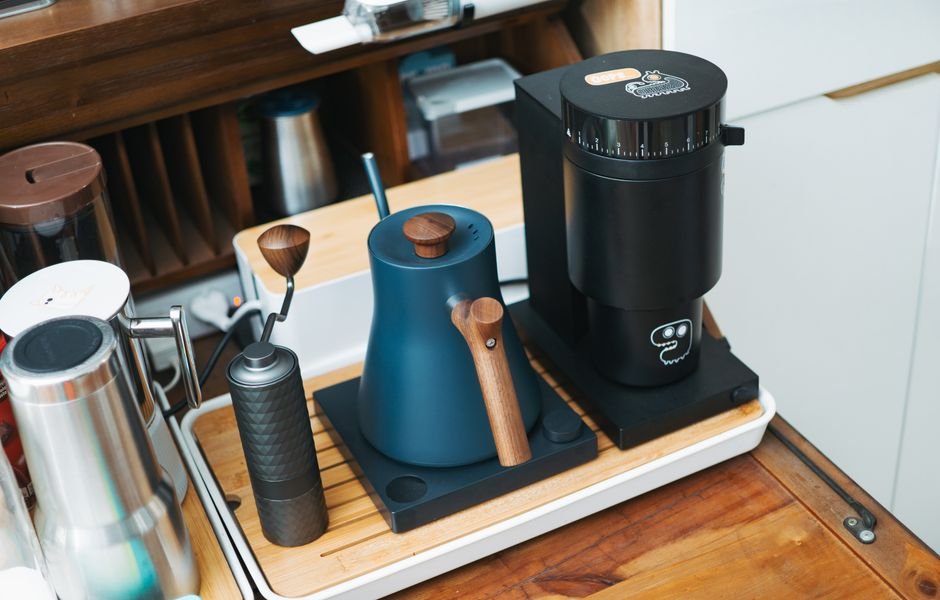
Cold Brew Revolution: Unleashing the Electric Kettle Advantage for Perfect Cold Coffee
The allure of cold brew coffee is undeniable. Its smooth, low-acid profile, rich flavor, and refreshing chill have cemented its place as a beloved beverage. Traditionally, achieving this perfection involved patience, often an overnight steep. However, a surprising hero has emerged in the modern kitchen: the electric kettle. Far from its sole purpose of boiling water, the electric kettle, when harnessed intelligently, offers a revolutionary advantage for creating exceptional cold brew, transforming a time-intensive process into a quick, convenient, and consistently delicious experience. This isn’t about hot brewing; it’s about leveraging precise temperature control and rapid heating to unlock the full potential of cold brew coffee.
Understanding the Cold Brew Science: Why Temperature Matters
Cold brew coffee’s distinct character stems from its brewing method. Unlike hot coffee, which relies on hot water to rapidly extract flavor compounds, cold brew utilizes time and cooler temperatures. This slow extraction process minimizes the release of bitter acids and oils, resulting in a smoother, sweeter, and less acidic beverage. However, the “cold” in cold brew is often misunderstood. While the steeping process is done at room temperature or in the refrigerator, the initial interaction of water with coffee grounds plays a crucial role.
The key lies in understanding that even at cooler temperatures, the rate of extraction is significantly influenced by water temperature. While boiling water is detrimental to cold brew, slightly warmed water can act as a catalyst, accelerating the extraction process without introducing the harshness of true hot brewing. This is where the electric kettle’s precision becomes invaluable.
The Electric Kettle: More Than Just a Boiler
Modern electric kettles are sophisticated kitchen appliances. Beyond their basic function, they offer features that are game-changers for cold brew enthusiasts:
- Precise Temperature Control: Many electric kettles allow you to select specific water temperatures, often in increments of 5-10 degrees Fahrenheit. This is paramount for cold brew. Instead of guessing or relying on ambient room temperature, you can consistently achieve the ideal water temperature for optimal extraction.
- Rapid Heating: Electric kettles heat water far more efficiently than stovetop kettles. This means you can quickly reach your desired temperature, significantly reducing the overall brewing time.
- Keep Warm Function: Some models retain the water at your chosen temperature for extended periods, allowing for a more controlled and consistent steeping environment.
- Ease of Use and Safety: Electric kettles are designed for user-friendliness and safety, minimizing the risk of spills or burns compared to stovetop methods.
The “Warm Water” Cold Brew Method: A Paradigm Shift
The traditional cold brew method involves steeping coarse coffee grounds in cold or room-temperature water for 12-24 hours. While effective, it’s a commitment. The electric kettle advantage lies in the “warm water” cold brew method, a technique that leverages precise temperature control to achieve a comparable, if not superior, result in a fraction of the time.
The Process Unveiled:
- Coffee Selection and Grind: As with any coffee, the quality of your beans and the grind size are foundational. Opt for high-quality, freshly roasted coffee beans. For cold brew, a coarse grind is essential to prevent over-extraction and bitterness. The grind should resemble coarse sea salt or breadcrumbs.
- Ratio is Key: A common starting point for cold brew is a 1:8 coffee-to-water ratio (by weight). For instance, 100 grams of coffee to 800 grams of water. Adjust this to your personal preference.
- The Electric Kettle’s Role: Precise Warming: This is where the magic happens. Instead of using straight cold water, you’ll use your electric kettle to heat water to a specific, slightly elevated temperature. The ideal range for this “warm water” cold brew method is typically between 150°F and 175°F (65°C and 80°C).
- Why this range? At these temperatures, water becomes a more effective solvent than cold water, allowing for a faster and more efficient extraction of desirable flavor compounds. Crucially, these temperatures are too low to extract the bitter acids and tannins that hot water (above 200°F/93°C) would pull out. It’s a delicate balance that unlocks sweetness and body without introducing bitterness.
- Blooming the Coffee: Once your water reaches the target temperature, pour a small amount (just enough to saturate the grounds) over the coffee. This is called “blooming.” Allow it to sit for 30-60 seconds. You’ll notice the grounds expand and release carbon dioxide – a sign of freshness. This step prepares the grounds for more even extraction.
- The Steep: After blooming, pour the remaining warmed water over the grounds. Ensure all grounds are fully saturated.
- Steeping Time: This is where the electric kettle’s advantage shines. Instead of 12-24 hours, a warm water cold brew can be ready in 2 to 4 hours. The precise temperature of the water accelerates the extraction process. For an even more controlled steep, you can place the brewing vessel in a slightly warmer environment, like a sunny windowsill or a gently warmed (but not hot) oven.
- Filtration: Once steeped, it’s time to separate the coffee concentrate from the grounds. Various methods work:
- French Press: Pour the steeped coffee through a French press, pressing the plunger slowly.
- Fine Mesh Strainer with Cheesecloth: Line a fine-mesh strainer with a few layers of cheesecloth and pour the coffee through.
- Dedicated Cold Brew Makers: Many cold brew makers have built-in filtration systems.
- Dilution and Enjoyment: The resulting liquid is a coffee concentrate. Dilute it with water, milk, or your preferred creamer to your desired strength. Serve over ice for the ultimate cold brew experience.
Optimizing Your Electric Kettle Cold Brew Setup:
- Brewing Vessel: A large glass jar, a French press, or a dedicated cold brew maker are excellent choices. Ensure it’s large enough to accommodate your coffee grounds and water.
- Filter Quality: Invest in good quality filters. Paper filters can remove more sediment, while metal filters allow more oils to pass through, resulting in a richer mouthfeel.
- Experimentation: The beauty of this method is its adaptability. Play with different coffee beans, grind sizes, water temperatures within the recommended range, and steeping times to discover your perfect cold brew.
The Electric Kettle Advantage: A Deeper Dive into Benefits
The electric kettle method offers a compelling set of advantages over traditional cold brew:
- Speed and Convenience: This is the most significant benefit. Transforming a day-long process into a few hours allows for spontaneous cold brew enjoyment. Craving a refreshing cold brew in the afternoon? The electric kettle makes it achievable.
- Consistency: Human error is a significant factor in brewing. Ambient room temperatures fluctuate, and it’s difficult to maintain a consistent temperature without specialized equipment. The electric kettle’s precise temperature control eliminates this variable, leading to consistently delicious results batch after batch.
- Reduced Bitterness and Acidity: By employing a controlled, slightly elevated temperature, the warm water method selectively extracts the desirable flavor compounds while minimizing the extraction of bitter acids. This results in a noticeably smoother and more palatable cold brew, even for those sensitive to acidity.
- Enhanced Flavor Extraction: The warmer water acts as a more efficient solvent, allowing for a more complete extraction of the coffee’s nuanced flavors. You’ll likely notice a richer, more complex taste profile compared to a purely cold-steeped brew.
- Space and Energy Efficiency: No need for large pitchers taking up refrigerator space for hours. The brewing process is contained and can often be done at room temperature. Electric kettles are also energy-efficient for their task.
- Accessibility: Electric kettles are becoming increasingly common in kitchens worldwide, making this advanced cold brew technique accessible to a broader audience.
Troubleshooting and Fine-Tuning Your Warm Water Cold Brew:
- Too Weak? Increase the coffee-to-water ratio or slightly extend the steeping time.
- Too Strong? Dilute more with water or milk.
- Still a bit bitter? Slightly lower the water temperature or ensure your grind is coarse enough.
- Not enough flavor? Ensure your coffee is fresh and consider a slightly higher water temperature or longer steep.
Beyond the Basics: Advanced Techniques with Your Electric Kettle
Once you’ve mastered the basic warm water cold brew, you can explore further:
- Pre-heating Your Brewing Vessel: For ultimate temperature stability, pre-warm your brewing vessel with some of the heated water before adding coffee and the remaining water.
- Controlled Environment Steeping: Place your brewing vessel in a warm, stable environment to maintain the optimal steeping temperature. This could be a slightly warmed oven (turned off but still radiating residual heat), a warming drawer, or even a sunny spot.
- Multiple Temperature Stages: For the truly adventurous, experiment with steeping at different controlled temperatures for specific durations, mimicking a more nuanced extraction process.
The electric kettle, often overlooked as a simple hot water dispenser, is a powerful tool for the modern coffee enthusiast. Its precision, speed, and ease of use empower you to create exceptional cold brew coffee with unparalleled consistency and efficiency. By understanding