
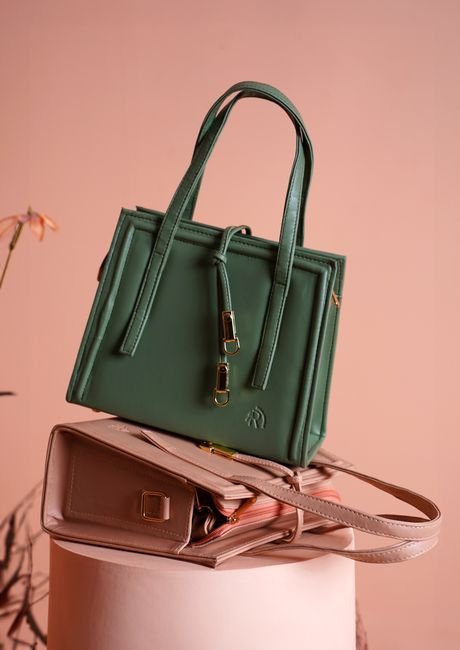
Handbag Care 101: Keep Your Prized Possessions Pristine
Your handbag is more than just an accessory; it’s a constant companion, a repository for your essentials, and a statement of your personal style. Whether it’s a timeless leather tote, a chic crossbody, or a delicate evening clutch, protecting your investment and ensuring its longevity requires diligent care. This comprehensive guide delves into the nuances of handbag maintenance, equipping you with the knowledge to keep your prized possessions looking pristine for years to come.
Understanding Your Handbag’s Material: The Foundation of Care
The first and most crucial step in handbag care is identifying the material. Different leathers, fabrics, and synthetic materials demand distinct treatment.
-
Leather: This is the most common and often most luxurious material. Leather types vary significantly, each with unique properties:
- Full-Grain & Top-Grain Leather: The most durable and premium, these leathers retain their natural grain. They are susceptible to scratches and water damage but develop a beautiful patina over time.
- Suede & Nubuck: These are buffed leathers with a soft, velvety nap. They are highly prone to staining and water spots and require specialized brushes and protective sprays.
- Patent Leather: Coated with a high-gloss finish, patent leather is relatively water-resistant but can crack or peel if exposed to extreme heat or prolonged bending.
- Exotic Leathers (e.g., snakeskin, crocodile): These require specialized cleaning and conditioning to prevent drying and cracking. Always consult manufacturer guidelines.
-
Fabric: Common fabrics include canvas, nylon, and cotton.
- Canvas & Cotton: Generally durable and washable, but prone to staining and fading.
- Nylon: Water-resistant and easy to clean, but can snag.
-
Synthetic Materials (e.g., faux leather, vegan leather): These are often more forgiving and easier to clean than genuine leather, but can be less durable and may peel or crack over time, especially with exposure to heat.
Daily Habits for Everyday Protection
Proactive daily habits are the first line of defense against wear and tear.
- The “Empty and Wipe” Ritual: At the end of each day, make it a habit to empty your handbag. This not only helps you stay organized but also allows you to quickly wipe down the interior with a soft, dry cloth. This removes loose debris, crumbs, and any potential spills before they set.
- Strategic Placement: Avoid placing your handbag on the floor, especially in public restrooms or high-traffic areas. Opt for a hook, a chair back, or a handbag holder to prevent scuffs and contamination.
- Beware of Color Transfer: Be mindful of dark-wash denim or brightly colored clothing. The dyes from these items can transfer onto lighter-colored handbags, creating permanent stains. Consider using a fabric protector spray on your clothing if this is a concern.
- Handle with Care: Avoid overstuffing your handbag. This can strain the seams, distort the shape, and damage the straps. Distribute weight evenly.
Deep Cleaning and Conditioning: Revitalizing Your Investment
Regular deep cleaning and conditioning are essential for maintaining the beauty and integrity of your handbag.
-
Leather Cleaning:
- Surface Cleaning: For everyday dirt and grime on smooth leather, use a slightly damp, soft microfiber cloth. For tougher spots, a specialized leather cleaner is recommended. Always test any cleaner on an inconspicuous area first.
- Conditioning: Leather is skin and needs moisture to stay supple. Use a high-quality leather conditioner specifically designed for handbags. Apply a small amount to a clean cloth and rub gently in a circular motion. Allow it to absorb for the time recommended by the product, then buff off any excess. Aim to condition leather bags every 3-6 months, or more often in dry climates.
- Suede and Nubuck: These materials require a specialized suede brush. Gently brush in one direction to remove dirt and restore the nap. For stains, use a suede eraser. Never use water or conventional leather cleaners on suede or nubuck. A suede protector spray is highly recommended for these materials.
-
Fabric Cleaning:
- Spot Cleaning: For most fabric bags, spot cleaning is the best approach. Use a mild detergent mixed with water and a clean cloth. Dab the stained area gently, working from the outside in.
- Washing: Some canvas or cotton bags can be machine washed. Check the care label. If washing, use a gentle cycle with cold water and mild detergent. Place the bag in a mesh laundry bag to protect hardware and straps. Always air dry. Never put fabric bags in a dryer, as heat can cause shrinkage or damage.
-
Hardware Care: Metal hardware can tarnish or scratch. Gently polish metal components with a soft, dry cloth. For stubborn tarnish, a specialized metal polish can be used, but be extremely careful not to get any on the bag material.
Storage Solutions: Protecting Your Bags When Not in Use
Proper storage is paramount to preventing damage and maintaining the shape of your handbags.
- Stuffing for Shape: When storing your handbag, stuff it with acid-free tissue paper, bubble wrap, or old t-shirts. This helps maintain its original shape and prevents creases. Avoid using newspaper, as the ink can transfer.
- Dust Bags are Essential: Always store your handbags in their original dust bags or in soft, breathable cotton pillowcases. This protects them from dust, sunlight, and scratches.
- Vertical Storage: For larger totes and shoulder bags, store them upright on shelves. Avoid hanging them for extended periods, as this can stretch the straps and distort the bag’s structure.
- Consider Bag Shapers: For structured bags, consider using bag shapers, which are specifically designed to maintain their form.
- Climate Control: Store your handbags in a cool, dry place away from direct sunlight and extreme temperatures. Humidity can lead to mold or mildew, while heat can dry out and crack leather.
Dealing with Stains and Spills: Swift Action is Key
Accidents happen, but prompt and appropriate action can often save your handbag from permanent damage.
- Liquid Spills: Blot immediately with a clean, absorbent cloth. Do not rub, as this can spread the stain. For water spots on leather, allow the bag to air dry naturally away from heat. For more stubborn liquid stains, consult a professional.
- Grease Stains: For fresh grease stains on leather, sprinkle the area with cornstarch or talcum powder. Allow it to sit for several hours or overnight to absorb the oil, then gently brush it away. Repeat if necessary.
- Ink Stains: Ink stains are notoriously difficult. For light ink marks on smooth leather, try a leather ink remover stick. For severe ink stains, professional cleaning is often the only option.
- Makeup Smudges: For minor makeup smudges on leather, a gentle leather cleaner can often do the trick. For fabric bags, spot clean with a mild detergent.
Professional Care: When to Seek Expert Help
While at-home care is effective for routine maintenance, some issues require professional attention.
- Deep-Set Stains: Stubborn stains that don’t respond to home remedies.
- Water Damage: Extensive water damage that has caused discoloration or stiffness.
- Repairs: Ripped seams, broken zippers, or damaged hardware.
- Restoration: For vintage or highly valuable bags that have lost their luster.
Look for reputable handbag cleaning and repair services that specialize in your bag’s material. Always inquire about their experience and the products they use. Investing in professional care for significant issues can be more cost-effective than replacing a beloved handbag.
By implementing these detailed care strategies, you can ensure your cherished handbags remain a stylish and functional extension of your personal brand for years to come, preserving their beauty and value.