
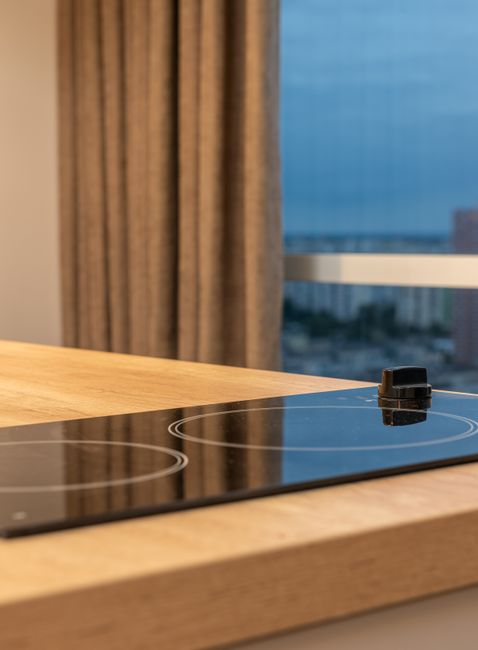
Mastering the Gleam: Your Ultimate Guide to Cleaning Induction Cooktops
Induction cooktops have revolutionized modern kitchens, offering precise temperature control, rapid heating, and an undeniably sleek aesthetic. Their smooth, glass-ceramic surface, while visually stunning, demands a specific approach to cleaning to maintain its pristine condition and optimal performance. Unlike traditional stovetops, induction surfaces are less prone to baked-on grease and grime due to the way heat is generated directly within the cookware. However, this doesn’t mean they are maintenance-free. Spills, splatters, and even minor residues can quickly dull the shine if not addressed promptly and correctly. This comprehensive guide will equip you with the knowledge and techniques to keep your induction cooktop looking brand new, ensuring longevity and a superior cooking experience.
Understanding the Induction Surface: A Delicate Balance
The smooth, glass-ceramic surface of an induction cooktop is its defining feature. This material is designed to withstand high temperatures and rapid thermal changes, but it is not impervious to scratches or harsh abrasives. Understanding its composition is key to effective cleaning. The surface is typically made of a material like vitroceramic or tempered glass, which is durable but can be susceptible to damage from aggressive scrubbing or the wrong cleaning agents. The underlying induction coils generate magnetic fields that heat the cookware directly, meaning the cooktop surface itself only gets hot from residual heat transferred from the pots and pans, or from spills that burn onto it. This is a significant advantage over radiant or gas cooktops, as it reduces the amount of baked-on food.
Daily Maintenance: The First Line of Defense
The most effective way to keep your induction cooktop clean is through consistent daily maintenance. This proactive approach prevents minor spills from becoming stubborn stains.
- Wipe Down After Each Use: Once the cooktop has cooled sufficiently, use a soft, damp microfiber cloth to wipe away any recent splatters or residue. Microfiber is excellent at trapping dirt and preventing scratches.
- Address Spills Immediately: The golden rule of induction cooktop cleaning is to tackle spills as soon as they happen, once the surface has cooled enough to touch safely. Sugary spills, in particular, can caramelize and become very difficult to remove if left to cool and harden.
- Avoid Abrasive Materials: Never use steel wool, abrasive sponges, scouring pads, or harsh chemical cleaners. These will inevitably scratch and dull the glass surface, permanently marring its appearance.
- Dry Thoroughly: After wiping with a damp cloth, dry the surface with a clean, dry microfiber cloth. This prevents water spots and streaks, leaving a polished finish.
Deep Cleaning: Tackling Stubborn Stains and Residue
Even with diligent daily cleaning, you may encounter more stubborn marks. Here’s how to tackle them effectively and safely.
1. The Power of Vinegar and Water:
For everyday grease and light residue, a simple solution of white vinegar and water is incredibly effective.
- Preparation: Mix equal parts white vinegar and water in a spray bottle.
- Application: Lightly spray the cooled cooktop surface.
- Soaking (if needed): For slightly tougher spots, allow the solution to sit for a few minutes to loosen the grime.
- Wiping: Wipe the surface with a soft, damp microfiber cloth.
- Rinsing and Drying: Rinse the cloth and wipe the surface again to remove any vinegar residue, then dry thoroughly with a clean microfiber cloth.
2. Specialized Induction Cooktop Cleaners:
There are many commercially available cleaning creams and liquids specifically formulated for glass-ceramic cooktops, including induction surfaces. These are generally a safe and effective option for deeper cleaning.
- Choosing the Right Product: Look for products labeled “for glass-ceramic cooktops” or “induction cooktop cleaner.” Avoid all-purpose cleaners that might contain harsh chemicals.
- Application: Apply a small amount of the cleaner directly to the cooled cooktop surface.
- Gentle Scrubbing: Use a clean, soft cloth or a non-abrasive sponge to gently rub the cleaner into the stained areas. Work in small, circular motions.
- Buffing: Once the stains are removed, use a clean, dry microfiber cloth to buff the surface to a shine.
3. The Baking Soda Paste Method (for tougher stains):
Baking soda is a mild abrasive that can be very effective for removing dried-on food and stubborn spots without scratching.
- Create a Paste: Mix baking soda with a small amount of water to create a thick paste.
- Application: Apply the paste directly to the cooled, stained areas of the cooktop.
- Soaking: Let the paste sit for 10-15 minutes to allow it to break down the residue. For very tough stains, you can cover the paste with a damp cloth or paper towel to keep it moist.
- Gentle Removal: Use a soft, damp microfiber cloth to gently scrub away the paste and the loosened grime. Avoid aggressive rubbing.
- Rinsing and Drying: Wipe the surface thoroughly with a clean, damp cloth to remove all baking soda residue, then dry with a clean microfiber cloth.
4. The Razor Blade Scraper (Use with Extreme Caution):
For burnt-on food or very stubborn, hardened spills, a razor blade scraper designed for glass-ceramic cooktops can be a last resort. This method requires extreme caution and practice.
- Tool: Use only a flat razor blade scraper specifically designed for glass-ceramic surfaces. These often have a handle for better control.
- Angle: Hold the scraper at a very low angle (almost parallel to the surface).
- Gentle Pressure: Apply very light, consistent pressure. Never dig the blade into the glass.
- Direction: Scrape in one direction, carefully lifting away the hardened residue.
- Follow Up: After using the scraper, clean the area thoroughly with a specialized cooktop cleaner or vinegar solution to remove any remaining residue and polish the surface.
Important Precautions When Using a Razor Blade Scraper:
- Cool Surface Only: Ensure the cooktop is completely cool.
- Lubrication: It can be helpful to apply a small amount of cooktop cleaner or soapy water to lubricate the surface before scraping.
- Avoid Edges: Be extra careful around the edges of the cooktop.
- Never Use on Damaged Surfaces: Do not use a scraper on a cooktop that already has chips or cracks.
Dealing with Specific Stains:
- Sugary Spills: These are notoriously difficult once hardened. Act quickly! If it cools, the baking soda paste or a specialized cleaner is your best bet.
- Metal Marks (from cookware): Sometimes, the base of pots and pans can leave faint gray or metallic streaks. These can usually be removed with a standard cooktop cleaner and a microfiber cloth.
- Grease Splatters: Daily wiping with a damp cloth or a vinegar solution is usually sufficient. For tougher grease, a specialized cleaner or baking soda paste will work.
Preventing Scratches and Damage:
Prevention is always better than cure. Adhering to these practices will significantly reduce the risk of damaging your induction cooktop.
- Lift, Don’t Drag Cookware: Always lift your pots and pans off the cooktop; never slide or drag them. The abrasive bottoms of cookware can easily scratch the glass.
- Clean Cookware Bottoms: Ensure the bottoms of your pots and pans are clean and free of debris before placing them on the cooktop. Grit or food particles can act like sandpaper.
- Use Appropriate Cookware: Induction cooktops require cookware with magnetic bases. Ensure your cookware is flat and smooth on the bottom. Avoid cookware with rough or uneven bases.
- Avoid Overfilling Pots: Overfilling pots can lead to spills that can boil over and burn onto the surface.
- Be Mindful of Utensils: Avoid dropping heavy utensils on the cooktop.
- Don’t Place Hot Lids Directly: Avoid placing hot lids directly onto the cool glass surface, as the sudden temperature change could potentially cause damage.
Maintaining the Gleam: Polishing and Finishing Touches
Once your induction cooktop is clean, a final polish can restore its showroom shine.
- Microfiber Magic: A clean, dry microfiber cloth is your best friend for buffing. Gently buff the entire surface in circular motions until you achieve a streak-free shine.
- Cooktop Polish: For an extra layer of protection and shine, you can use a dedicated glass-ceramic cooktop polish after cleaning. Apply a small amount and buff as directed by the product.
Troubleshooting Common Issues:
- Streaks: Usually caused by using too much cleaner, not rinsing properly, or using a dirty cloth. Ensure thorough rinsing and drying with a clean microfiber cloth.
- Dullness: Often a result of mineral deposits from hard water or residue from harsh cleaners. A vinegar solution or specialized cleaner can help remove these.
- Scratches: Unfortunately, deep scratches are permanent. This highlights the importance of prevention. Minor scuffs might be less noticeable after cleaning and polishing.
By incorporating these daily habits and deep cleaning techniques, you can ensure your induction cooktop remains a beautiful and functional centerpiece in your kitchen for years to come. The key lies in gentle, consistent care and the use of appropriate cleaning agents and tools.