
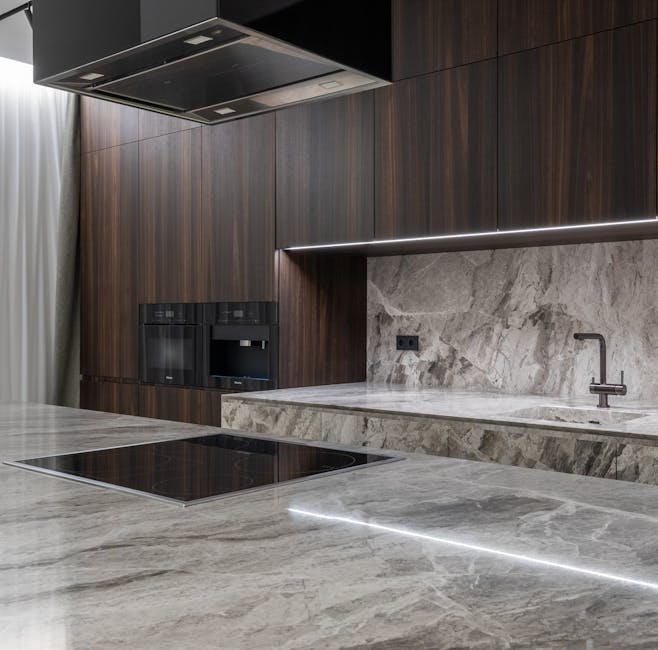
Induction Cooktop Benefits: Why You Need One
The kitchen is the heart of the home, and the cooktop is its beating pulse. For generations, gas and electric coil cooktops have dominated, but a new technology is rapidly transforming the culinary landscape: induction. Offering unparalleled efficiency, precision, and safety, induction cooktops are no longer a niche luxury but a smart, practical choice for any modern kitchen. If you’re considering an upgrade or building a new one, understanding the compelling benefits of induction is crucial. This deep dive explores why an induction cooktop is a game-changer for home cooks, from seasoned chefs to everyday meal preppers.
One of the most significant advantages of induction cooking is its superior energy efficiency. Unlike traditional electric cooktops that heat a resistive element which then transfers heat to the cookware, induction works by using an electromagnetic field. A coil beneath the ceramic surface generates a magnetic field. When compatible cookware (ferromagnetic material like cast iron or stainless steel) is placed on the surface, this magnetic field induces an electric current directly within the base of the pan. This current generates heat in the cookware itself, not on the cooktop. Consequently, a far greater percentage of the energy is transferred directly to your food, minimizing wasted heat. Studies consistently show induction cooktops are up to 85-90% efficient, compared to 70-75% for electric coil and 40% for gas. This translates to faster cooking times and noticeably lower energy bills. For environmentally conscious consumers, this reduced energy consumption makes induction a greener choice, aligning with a desire for sustainable living.
Beyond efficiency, unmatched speed and responsiveness are hallmarks of induction. Because the heat is generated directly in the pan, the cooking surface heats up almost instantaneously, and more importantly, it cools down just as quickly when you adjust the heat setting or remove the pan. This level of control is a revelation for cooks accustomed to the lag of traditional electric or the gradual dissipation of heat from gas burners. Imagine searing a steak; induction can reach searing temperatures in seconds, providing that perfect crust without overcooking the interior. Need to simmer a delicate sauce? A slight turn of the dial, and the heat drops immediately, preventing scorching. This responsiveness is akin to high-end gas ranges but without the inherent inefficiencies or gas hookup requirements. For those who value precision and want to execute complex recipes flawlessly, induction’s rapid response is invaluable.
The precision temperature control offered by induction cooking is another major draw. Most induction cooktops offer a wide range of heat settings, often numbered from 1 to 10 or even higher, representing precise power levels. This granular control allows for incredibly nuanced cooking. You can achieve a gentle simmer that barely bubbles, a medium heat for sautéing, or a rapid boil with ease and consistency. This eliminates the guesswork often associated with gas flame adjustments or the slow ramp-up and cool-down of electric elements. Recipes that demand exact temperatures, such as tempering chocolate, making custards, or poaching delicate fish, become significantly easier and more reliable to execute on an induction surface. This precision fosters confidence in the kitchen, empowering home cooks to experiment with more challenging techniques.
Safety is paramount in any kitchen, and induction cooktops excel in this area. Because the cooktop surface itself doesn’t generate heat directly, it remains significantly cooler than traditional electric or gas surfaces during and after cooking. While the pan will heat up, the surrounding ceramic glass is only heated by residual heat from the pan. This drastically reduces the risk of accidental burns, making induction an ideal choice for families with children or pets, or for anyone who has ever accidentally touched a hot burner. Furthermore, most induction cooktops feature automatic shut-off functions. If no cookware is detected, or if cookware is removed from the surface, the heating element automatically switches off, preventing potential fires or wasted energy. This built-in safety net provides peace of mind, allowing you to focus on your cooking without constant worry.
The ease of cleaning associated with induction cooktops is a significant practical benefit that shouldn’t be underestimated. The smooth, flat ceramic glass surface is incredibly easy to wipe clean. Unlike gas grates or electric coil elements that accumulate grease, spills, and food debris, any spills on an induction cooktop will not bake onto the surface because the surface itself doesn’t get excessively hot. A simple swipe with a damp cloth or a non-abrasive cleaner is usually all that’s needed to restore its pristine appearance. This means less time spent scrubbing and more time enjoying your culinary creations and your company. The seamless design also contributes to a sleek, modern aesthetic in the kitchen.
Modern aesthetics and design are also a strong selling point for induction cooktops. Their minimalist, flat glass surfaces integrate seamlessly into countertops, creating a clean, uncluttered look. Many models offer touch controls that disappear when not in use, further enhancing their sleek appearance. This modern design complements a wide range of kitchen styles, from contemporary to minimalist. Beyond aesthetics, the flat surface also offers a versatile workspace when not in use, providing extra counter space for food preparation.
Durability and longevity are often underestimated benefits of induction cooktops. While the initial investment might be higher than a basic electric or gas model, the robust construction of most induction cooktops, particularly the ceramic glass surface, is designed for years of reliable service. The absence of exposed heating elements or complex gas burners means fewer parts to break down. The electromagnetic technology is inherently robust, leading to fewer maintenance issues over the lifespan of the appliance. When considering the total cost of ownership, factoring in energy savings and reduced maintenance, induction often proves to be a more economical choice in the long run.
The improved indoor air quality is a subtle but important benefit of induction cooking. Unlike gas cooktops, which release combustion byproducts like nitrogen dioxide and carbon monoxide into the air, induction cooking produces no fumes. This is particularly beneficial for individuals with respiratory sensitivities or those living in homes without robust ventilation systems. By eliminating these harmful emissions, induction contributes to a healthier indoor environment for everyone in the household.
Finally, the versatility and compatibility of induction cooking are expanding rapidly. While early induction cooktops required specific magnetic cookware, the market now offers a wide array of compatible pots and pans made from various materials, including cast iron, enameled cast iron, and many types of stainless steel. Furthermore, many modern induction cooktops offer advanced features like bridge elements that combine two burners into one larger zone for griddle use, or specialized settings for specific cooking tasks. This technological advancement ensures that induction is not just a functional choice but also an adaptable one, capable of meeting the evolving needs of home cooks.