
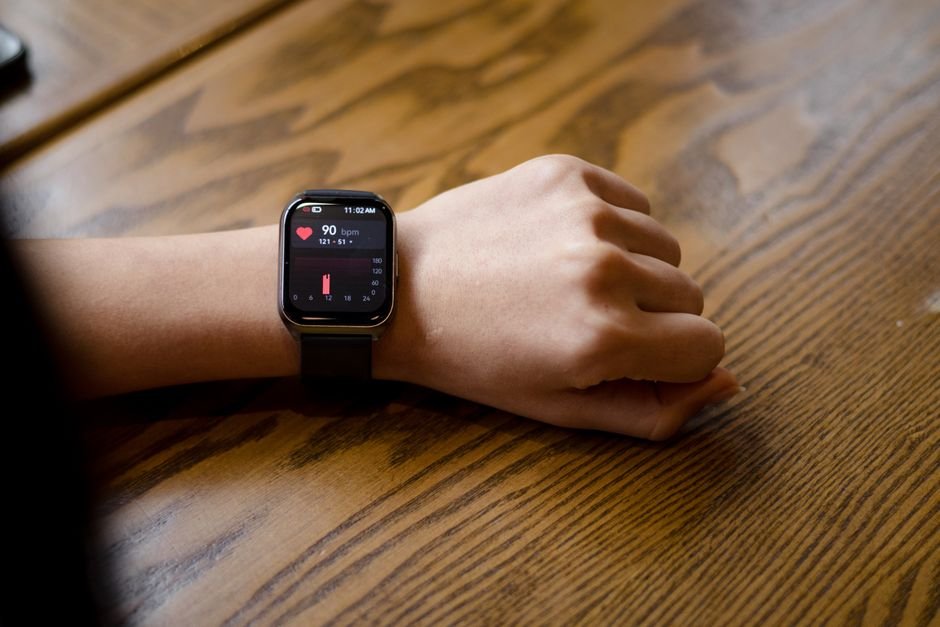
Decoding the Digital Pulse: Essential Features for Your Perfect Health Tracker
The modern health tracker is no longer a mere pedometer. It’s a sophisticated wearable companion, meticulously designed to offer deep insights into your well-being. Navigating the vast landscape of options can be overwhelming, but understanding the core features and their implications is key to selecting a device that truly aligns with your health goals. This guide delves into the essential functionalities to consider, empowering you to make an informed decision and unlock the full potential of your personal health data.
Beyond Step Counting: Core Activity Tracking Metrics
At its most fundamental level, a health tracker monitors your physical activity. While step counting remains a foundational metric, advanced devices offer a richer tapestry of data. Look for trackers that accurately measure:
- Steps Taken: This is the most basic yet crucial indicator of daily movement. Accuracy can vary, so read reviews focusing on real-world step-counting performance.
- Distance Covered: Often calculated based on steps and stride length, this metric provides a clearer picture of your overall movement.
- Calories Burned: This is an estimate, influenced by your basal metabolic rate (BMR), activity intensity, and duration. More sophisticated trackers use heart rate data for a more accurate calorie burn calculation.
- Active Minutes/Zone Minutes: This feature quantifies the time you spend engaging in moderate to vigorous physical activity, often correlating with specific heart rate zones. This is a far more meaningful metric than simply total activity time.
- Floors Climbed: Utilizing an altimeter, this feature tracks your ascent, particularly useful for those who live in multi-story buildings or engage in activities like hiking.
The Heart of the Matter: Advanced Heart Rate Monitoring
Heart rate is a vital sign that reveals much about your cardiovascular health, fitness levels, and stress. Modern trackers employ optical heart rate sensors, and the quality of their implementation is paramount. Key features to scrutinize include:
- Continuous Heart Rate Monitoring: This provides a constant stream of data, allowing you to track your heart rate throughout the day, during workouts, and even during sleep. This is essential for understanding resting heart rate, heart rate variability, and identifying potential anomalies.
- Heart Rate Zones: The ability to track your heart rate in different zones (e.g., fat burn, cardio, peak) is invaluable for optimizing your workouts and ensuring you’re training effectively for specific goals.
- Resting Heart Rate: This metric, typically measured during sleep or periods of inactivity, is a strong indicator of cardiovascular fitness. A lower resting heart rate generally signifies a healthier heart.
- Heart Rate Variability (HRV): HRV measures the variation in time between heartbeats. A higher HRV is often associated with better stress resilience and recovery. This advanced metric is becoming increasingly prevalent in high-end trackers.
- Irregular Heart Rhythm Notifications: Some advanced trackers can detect potential signs of atrial fibrillation (AFib) by monitoring for unusually slow, fast, or irregular heart rhythms. This feature can be a lifesaver, prompting you to seek medical attention.
Unlocking the Mysteries of Sleep: Comprehensive Sleep Tracking
Sleep is as crucial as exercise for overall health and recovery. A good health tracker should provide detailed insights into your sleep patterns. Look for:
- Sleep Stages: Trackers that differentiate between light sleep, deep sleep, and REM sleep offer a granular understanding of your sleep architecture. Deep sleep is vital for physical restoration, while REM sleep is crucial for cognitive function and memory consolidation.
- Sleep Duration: The total time spent asleep is a basic yet important metric.
- Sleep Quality Score: Many trackers provide an overall sleep quality score, often a composite of duration, time in different stages, and disturbances.
- Wake-Ups/Restlessness: Identifying periods of wakefulness or excessive movement during the night can highlight potential sleep disruptions.
- Sleep Schedule Consistency: Some apps can help you monitor and improve the regularity of your sleep schedule, which is vital for circadian rhythm regulation.
Beyond the Basics: Specialized Health Metrics
As technology advances, health trackers are incorporating a wider array of specialized metrics to provide a more holistic view of your well-being:
- Blood Oxygen Saturation (SpO2): This metric measures the percentage of oxygen in your blood. Fluctuations can indicate respiratory issues or changes in altitude. It’s particularly relevant for athletes, individuals with sleep apnea, or those living at high altitudes.
- Stress Tracking: Utilizing heart rate variability and other physiological signals, trackers can estimate your stress levels throughout the day, helping you identify triggers and implement stress-management techniques.
- Body Temperature Sensing: Some newer trackers can monitor skin temperature, which can be an indicator of illness, ovulation cycles, or even changes in your environment.
- ECG (Electrocardiogram): High-end devices may offer on-demand ECG readings, similar to those performed in a doctor’s office, to detect signs of AFib. This is a powerful diagnostic tool.
- Skin Conductance: This sensor measures changes in the electrical conductivity of your skin, which can be influenced by sweat and emotional arousal, offering another layer of stress and emotional state insight.
Navigating Your Data: App Ecosystem and Connectivity
The true power of a health tracker lies in its accompanying app. A well-designed app is intuitive, informative, and provides actionable insights. Consider:
- User Interface and Experience: Is the app easy to navigate? Is the data presented clearly and understandably?
- Data Visualization: Does the app offer compelling graphs, charts, and trends to help you visualize your progress?
- Personalized Insights and Recommendations: Does the app offer tailored advice based on your data, such as workout suggestions or sleep improvement tips?
- Third-Party App Integration: Can your tracker sync with other health and fitness apps you use (e.g., MyFitnessPal, Strava)? This creates a unified health dashboard.
- Connectivity Options: Bluetooth is standard, but consider Wi-Fi for faster data syncing or cellular capabilities for standalone functionality.
- Data Privacy and Security: Understand how your data is collected, stored, and used. Look for reputable brands with clear privacy policies.
Durability and Design: A Tracker for Your Lifestyle
Beyond the technology, the physical attributes of a health tracker are crucial for daily wear and specific activities.
- Water Resistance: Essential for swimmers, those who sweat profusely, or simply for everyday protection against splashes. Look for specific ATM ratings (e.g., 5 ATM means it can withstand pressure equivalent to 50 meters of water).
- Build Quality and Materials: Consider the durability of the casing and band, especially if you lead an active lifestyle. Materials like silicone, TPU, and metal alloys offer varying levels of comfort and resilience.
- Screen Type and Brightness: A bright, easy-to-read screen is vital, especially in direct sunlight. AMOLED displays offer vibrant colors and deep blacks, while transflective displays are excellent for outdoor visibility.
- Battery Life: This is a significant factor. Depending on your usage, you might prioritize a tracker that lasts a few days or one that can go for weeks on a single charge. Consider how often you’re willing to charge.
- Comfort and Fit: The tracker should be comfortable to wear 24/7, including during sleep. Adjustable bands and ergonomic designs are key.
- Aesthetics and Customization: For many, the tracker is also a fashion accessory. Consider the available styles, colors, and interchangeable band options.
Advanced Functionality: Smart Features and GPS
Modern health trackers often blur the lines with smartwatches, offering additional conveniences.
- Built-in GPS: Essential for accurate tracking of outdoor activities like running, cycling, and hiking without needing to carry your phone. This significantly improves distance and pace accuracy.
- Notifications: Receive calls, texts, and app alerts directly on your wrist.
- Music Control: Manage your music playback from your tracker.
- Contactless Payments (NFC): Some trackers allow for quick and easy payments on the go.
- Voice Assistant Integration: Control smart home devices or get quick answers to questions.
- Fall Detection: Advanced safety features that can automatically alert emergency contacts in case of a fall.
By meticulously evaluating these features against your personal health aspirations, fitness routines, and lifestyle, you can confidently choose a health tracker that not only monitors your activity but actively empowers you to live a healthier, more informed life.