Description: Master the cold with the right winter glove. This in-depth guide covers insulation, materials, styles, and essential features for every Indian climate, from Himalayan treks to city commutes.
❄️ Introduction: Beyond the Chill – Why a Quality Winter Glove Matters
For the Indian reader, the term ‘winter’ encapsulates a vast range of conditions—from the bone-chilling sub-zero temperatures of Ladakh and Himachal Pradesh to the moderate, yet crisp, cold of Delhi, Mumbai, or Kolkata. Regardless of the severity, protecting your hands from the cold is critical not just for comfort, but for safety and functionality.
Hands, with their high surface area-to-volume ratio, lose heat rapidly. This is why they feel the cold first. When exposed, blood vessels constrict (vasoconstriction) to conserve core heat, leading to numb fingers, reduced dexterity, and in extreme cases, serious conditions like frostbite. A quality winter glove is your first line of defense, a meticulously engineered piece of gear that traps heat, blocks wind, and manages moisture.
This comprehensive, expert-driven guide is crafted specifically for the diverse needs of the Indian consumer. We will delve deep into the science, materials, and styles, ensuring you make an informed, high-value decision whether you are planning a Himalayan trek, riding a motorcycle, or simply navigating a cold urban morning.
🔬 Section 1: The Science of Warmth – Understanding Winter Glove Insulation
The effectiveness of any winter glove lies fundamentally in its ability to manage three things: insulation (trapping heat), wind resistance, and moisture management. Understanding these components is the first step toward smart selection.
Decoding Insulation: The Heart of a Warm Winter Glove
Insulation is the material that creates tiny air pockets to trap the heat naturally generated by your body. The thicker the layer of trapped air, the warmer the glove.
- Down Fill (Goose/Duck):
- Pros: Exceptional warmth-to-weight ratio; highly compressible. Ideal for high-altitude trekking where every gram counts.
- Cons: Loses virtually all insulating power when wet. Not ideal for wet, rainy, or humid climates common in many parts of India. Requires careful maintenance.
- Synthetic Fill (e.g., Thinsulate, Primaloft):
- Pros: The industry standard. Retains significant warmth even when damp. Dries faster and is usually hypoallergenic. Thinsulate insulation is measured in grams (e.g., 40g, 100g, 200g). Higher grams mean more warmth.
- Cons: Heavier and less compressible than down for the same warmth level.
- Actionable Insight: For general, reliable winter use in cities or moderate mountain trips (e.g., Manali, Sikkim), a glove with 100g to 150g of synthetic insulation is often the perfect balance of warmth and dexterity.
The Shell and Liner: Wind, Water, and Wicking
Insulation alone is not enough; the outer shell and inner liner play vital roles.
- Outer Shell (The Barrier):
- Must be windproof (e.g., Gore-Tex, proprietary branded wind stoppers) to prevent convection heat loss.
- Should be waterproof/water-resistant (DWR coating, or a membrane like Gore-Tex/future-proof fabrics) to stop rain or snowmelt from reaching the insulation.
- Real-World Example: A pair of fleece gloves is warm, but without a windproof shell, a brisk Delhi morning bike ride will feel significantly colder due to the wind chill factor.
- Inner Liner (The Wicker):
- Materials like fleece or brushed polyester line the inside, offering instant comfort and, more importantly, wicking away moisture (sweat) from your skin.
- Why Wicking Matters: Wet skin loses heat 25 times faster than dry skin. If sweat is trapped inside, the glove will feel cold very quickly, creating a vicious cycle of dampness and cold.
🧤 Section 2: Styles and Categories – Handpicking the Right Winter Glove for the Indian Climate
The perfect winter glove depends entirely on the activity and the ambient temperature. One style cannot fit all needs. We break down the three primary types.
Type 1: Gloves (The Dexterity Specialist)
- Description: Five separate finger slots, offering the highest level of dexterity for handling objects like cameras, zippers, or mobile phones.
- Best For: Everyday urban use, driving/riding where gear control is essential, photography, and tasks requiring fine motor skills.
- Temperature Range: Mild to Moderate Cold (e.g., 5°C to 15°C). For colder temperatures, they require high-density insulation, which can make them bulky.
- Key Feature to Look For: Touchscreen Compatibility on the index finger and thumb, an absolute necessity for the smartphone-dependent Indian consumer.
Type 2: Mittens (The Ultimate Warmer)
- Description: All four fingers share a single compartment, and the thumb is separate.
- Best For: Extreme cold, high-altitude trekking (e.g., Chadar Trek, Everest Base Camp), and deep snow.
- Temperature Range: Severe Cold (e.g., -5°C to -30°C).
- Why They Work: By keeping fingers together, they share warmth, creating a much larger thermal mass. Mittens are significantly warmer than gloves with the same amount of insulation.
- The Trade-off: Zero dexterity. Handling anything small becomes a challenge, often requiring you to remove the mitten completely.
Type 3: Convertibles / 3-in-1 (The Versatile Hero)
- Description: Combines a glove or fingerless glove with an outer mitten shell that can be flipped back. Alternatively, a 3-in-1 system includes a removable inner glove and an outer waterproof shell.
- Best For: Variable weather conditions and activities that switch between high activity (running) and low activity (sitting) or frequent short tasks.
- Temperature Range: Highly versatile, adapting from moderate to severe cold.
- 3-in-1 System Advantage: The inner liner glove can be worn on its own for mild activity, and the outer shell added for cold, wet weather. This layering system is highly efficient for moisture management and temperature regulation.
| Activity/Environment | Temperature Range (Approx.) | Recommended Style | Key Material/Feature |
| Urban Commute/Driving | 5°C to 15°C | Glove (Lightweight) | Touchscreen compatibility, Leather palm |
| Motorcycle Riding | 0°C to 10°C | Gauntlet Glove | Waterproof membrane, Extra padding/protection |
| High-Altitude Trekking | -10°C to -30°C | Mitten or 3-in-1 System | Down/High-gram Synthetic, Waterproof Shell |
| Snow Sports (Skiing) | -5°C to -15°C | Gauntlet Glove/Mitten | Waterproof/Breathable membrane, Reinforced palm |
🏍️ Section 3: Specialized Winter Glove Needs for the Indian Consumer
The unique demands of the Indian lifestyle—specifically long-distance motorcycle touring and trekking in the Himalayas—necessitate a deeper look into specialized glove features.
Motorcycle Winter Gloves: Safety Meets Warmth
Riding in the Indian winter, especially across the plains or mountains, means facing fierce wind chill and potential rain.
- Gauntlet Style Cuff: This is essential. The cuff must be long enough to go over your jacket sleeve, preventing cold air and rain from drafting up your arm. Must have an adjustable strap for a secure fit.
- Hard Knuckle Protection: Unlike casual gloves, riding gloves must incorporate impact protection (usually carbon fibre or dense plastic) over the knuckles. Safety is paramount.
- Visor Wiper: A small, soft rubber patch on the index finger is highly useful for wiping rain or fog condensation off the helmet visor while riding.
- Heated Gloves (For Extreme Riders): While expensive, battery-operated heated gloves offer targeted warmth for riders undertaking long, high-altitude tours (e.g., Leh-Ladakh, Spiti Valley). They provide an unparalleled level of thermal assurance.
Trekking Gloves: Durability and Water Management
Hiking at high altitudes means fluctuating temperatures and the critical need to manage both external wetness (snow) and internal wetness (sweat).
- Reinforced Palm: Look for durable leather or synthetic patches on the palm and fingers. You need to be able to grip trekking poles or scramble over rocks without tearing the glove material.
- Nose Wipe Patch: A patch of soft, absorbent fleece or material on the back of the thumb/index finger is a simple, but indispensable feature for wiping a cold nose on the trail.
- Leash/Wrist Loops: These small loops keep your gloves attached to your wrist when you take them off for a quick task, preventing them from being dropped and lost in the snow—a potentially dangerous error in extreme cold.
📏 Section 4: Fit, Features, and Longevity – Making the Final Decision
Even the most expensive, highly-rated winter glove will fail if the fit is incorrect or if essential features are overlooked.
The Non-Negotiable Importance of Fit
A glove that is too tight restricts blood flow, negating the effect of the insulation and making your hands colder. A glove that is too loose allows cold air to enter and warm air to escape.
- The Pinch Test: You should be able to pinch a small bit of material at the tip of each finger when wearing the glove. This ensures there is a small pocket of air for insulation without being overly baggy.
- Cuff Comfort: Ensure the wrist closure (Velcro strap or drawstring) is secure but does not cut off circulation. This is especially important for gauntlet-style gloves.
Essential Winter Glove Features to Scrutinize
- Waterproofing Membrane: Check for branded membranes (Gore-Tex, Omni-Tech, etc.). These offer the best balance of being waterproof (blocking rain/snow) and breathable (allowing sweat vapour out).
- Grip Material: The palm should have an anti-slip material, typically leather or synthetic leather, to ensure you can securely hold a steering wheel, handlebars, or trekking pole.
- Glove Clip: A small clip to hook the pair together when not in use. A simple feature that prevents loss—a surprisingly common issue, especially on the trail.
- Heating Pocket: Some gloves have a small zipper pocket on the back of the hand where you can insert a chemical heat pack for an immediate, intense boost of warmth.
Maintenance and Longevity for Your Winter Glove
High-quality gloves are an investment and must be cared for properly, especially in the variable Indian climate.
- Never Use Direct Heat: Never dry a wet glove on a radiator, near a bonfire, or in a microwave. Extreme heat damages the waterproof membrane and breaks down the adhesive holding the insulation fibers, drastically reducing their warmth.
- Wash Sparingly: Wash only when necessary, using a mild, technical cleaner (like Nikwax or similar DWR-safe detergents) and air dry.
- Re-apply DWR: The Durable Water Repellent (DWR) coating on the outer shell wears off over time. You can purchase DWR spray or wash-in products to re-waterproof the shell periodically.
🌟 Conclusion: Empowering Your Hands Against the Cold
The choice of the right winter glove is a nuanced decision, far beyond simply picking a thick material. It involves a strategic selection based on your activity, the actual temperature you will face, and the critical need for moisture management and dexterity.
For the Indian reader, from the urban explorer needing touchscreen compatibility and style, to the high-altitude adventurer demanding maximum thermal protection, the market offers a glove engineered for every need. By prioritizing synthetic insulation for reliability, a windproof and waterproof shell for protection, and the right style for your intended use, you can ensure your hands remain warm, functional, and protected throughout the cold season.
Don’t let cold hands ruin your winter experience; invest wisely in the gear that keeps you moving forward.
✍️ Compelling Call to Action
Ready to conquer the cold with confidence? Now that you know the difference between down, synthetic, and the necessity of a waterproof membrane, click here to explore our curated selection of top-rated, climate-specific winter gloves built for the challenging and beautiful Indian landscape!
ATULUX Waterproof Thermal Men's Gloves for Winter & Sports with Adjustable Wrist Strap and Anti-Skid Design | Casual Wear Gloves
₹279.00 (as of September 25, 2026 18:14 GMT +05:30 - More infoProduct prices and availability are accurate as of the date/time indicated and are subject to change. Any price and availability information displayed on [relevant Amazon Site(s), as applicable] at the time of purchase will apply to the purchase of this product.)
KRUHIMO Winter Gloves for Men Women, Warm Fleece Lined Waterproof Windproof Touchscreen Gloves, Anti-Slip Gloves for Bike Riding, Cycling, Skiing & Outdoor Sports
₹499.00 (as of September 25, 2026 18:14 GMT +05:30 - More infoProduct prices and availability are accurate as of the date/time indicated and are subject to change. Any price and availability information displayed on [relevant Amazon Site(s), as applicable] at the time of purchase will apply to the purchase of this product.)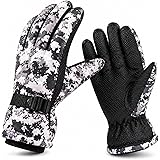
AutokraftZ Winter Woolen Hand Gloves for Men & Women | Thermal Warm for Cold Weather Bike Riding Outdoor wear Travel | Sports Use | Soft Comfortable | Stylish Winter Gloves Unisex
₹159.00 (as of September 25, 2026 18:14 GMT +05:30 - More infoProduct prices and availability are accurate as of the date/time indicated and are subject to change. Any price and availability information displayed on [relevant Amazon Site(s), as applicable] at the time of purchase will apply to the purchase of this product.)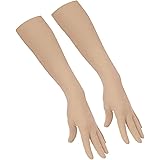
Kuber Industries Men's & Women's Cotton Full Hand Summer Gloves for Protection from Sun Burn/Heat/Pollution (Pack of 1 Pair, Cream) - CTSTC46480 | Stylish and Protective Summer Handwea
₹275.00 (as of September 25, 2026 18:14 GMT +05:30 - More infoProduct prices and availability are accurate as of the date/time indicated and are subject to change. Any price and availability information displayed on [relevant Amazon Site(s), as applicable] at the time of purchase will apply to the purchase of this product.)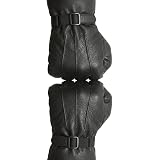
RESWIFT®Genuine Leather Gloves for Men | Premium Winter Driving Gloves | Soft Warm Touchscreen Leather Gloves for Bike Riding, Car Driving, Motorcycle, Travel, Office, Outdoor & Daily Use G4
₹399.00 (as of September 25, 2026 18:14 GMT +05:30 - More infoProduct prices and availability are accurate as of the date/time indicated and are subject to change. Any price and availability information displayed on [relevant Amazon Site(s), as applicable] at the time of purchase will apply to the purchase of this product.)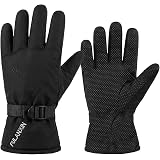
Windproof and Waterproof Winter Hand Gloves for Men and Women | Waterproof Outer Shell, Thermal Fur Lining, Anti-Slip Palm Grip, Touchscreen Fingertips, Adjustable Wrist Strap
₹399.00 (as of September 25, 2026 18:14 GMT +05:30 - More infoProduct prices and availability are accurate as of the date/time indicated and are subject to change. Any price and availability information displayed on [relevant Amazon Site(s), as applicable] at the time of purchase will apply to the purchase of this product.)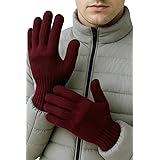
Weavers Villa Unisex Winter Woollen Gloves for Men and Women, Free Size
₹179.00 (as of September 25, 2026 18:14 GMT +05:30 - More infoProduct prices and availability are accurate as of the date/time indicated and are subject to change. Any price and availability information displayed on [relevant Amazon Site(s), as applicable] at the time of purchase will apply to the purchase of this product.)
Boldfit Winter Gloves for Men Ski Hand Gloves for Winter Unisex Touch Screen Finger Winters Glove for Women Water Resistant for Winters Snow Ski Glove Riding for Men Cold Season dastana for Men Women
₹699.00 (as of September 25, 2026 18:14 GMT +05:30 - More infoProduct prices and availability are accurate as of the date/time indicated and are subject to change. Any price and availability information displayed on [relevant Amazon Site(s), as applicable] at the time of purchase will apply to the purchase of this product.)
HISXT® Genuine Leather Gloves for Men | Premium Winter Driving Gloves | Soft Warm Touchscreen Leather Gloves for Bike Riding, Car Driving, Motorcycle, Travel, Office, Outdoor & Daily Use G7
₹399.00 (as of September 25, 2026 18:14 GMT +05:30 - More infoProduct prices and availability are accurate as of the date/time indicated and are subject to change. Any price and availability information displayed on [relevant Amazon Site(s), as applicable] at the time of purchase will apply to the purchase of this product.)
Boldfit Winter Gloves for Men & Women with Touchscreen Finger Bike Winters Hand Gloves for Women and Mens Thermal Wear Unisex Winter Warm Glove for Womens Winters Wear Unisex Hands Glove for Driving
₹349.00 (as of September 25, 2026 18:14 GMT +05:30 - More infoProduct prices and availability are accurate as of the date/time indicated and are subject to change. Any price and availability information displayed on [relevant Amazon Site(s), as applicable] at the time of purchase will apply to the purchase of this product.)
Kuber Industries Unisex Cotton Full Hand Gloves|Sunlight Protection|Soft & Cofortable Glove "1 Pair" (Black)
₹340.00 (as of September 25, 2026 18:14 GMT +05:30 - More infoProduct prices and availability are accurate as of the date/time indicated and are subject to change. Any price and availability information displayed on [relevant Amazon Site(s), as applicable] at the time of purchase will apply to the purchase of this product.)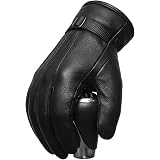
HISXT® Genuine Leather Gloves for Men | Premium Winter Driving Gloves | Soft Warm Touchscreen Leather Gloves for Bike Riding, Car Driving, Motorcycle, Travel, Office, Outdoor & Daily Use G5
₹399.00 (as of September 25, 2026 18:14 GMT +05:30 - More infoProduct prices and availability are accurate as of the date/time indicated and are subject to change. Any price and availability information displayed on [relevant Amazon Site(s), as applicable] at the time of purchase will apply to the purchase of this product.)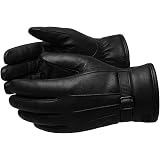
PURESPUN®Genuine Leather Gloves for Men | Premium Winter Driving Gloves | Soft Warm Touchscreen Leather Gloves for Bike Riding, Car Driving, Motorcycle, Travel, Office, Outdoor & Daily Use G1
₹399.00 (as of September 25, 2026 18:14 GMT +05:30 - More infoProduct prices and availability are accurate as of the date/time indicated and are subject to change. Any price and availability information displayed on [relevant Amazon Site(s), as applicable] at the time of purchase will apply to the purchase of this product.)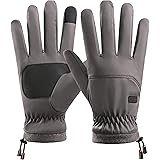
Tomorrow Fashion Winter Gloves for Men and Women, Touchscreen Winter Gloves, Thermal Gloves, Anti-Slip Palm Design for Outdoor Grip, Hiking Gloves Winter, Cold Weather Gloves
₹471.00 (as of September 25, 2026 18:14 GMT +05:30 - More infoProduct prices and availability are accurate as of the date/time indicated and are subject to change. Any price and availability information displayed on [relevant Amazon Site(s), as applicable] at the time of purchase will apply to the purchase of this product.)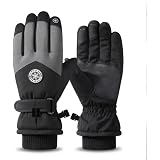
P SEVEN Winter Touchscreen Snow Gloves Warm Thermal Gloves for Men & Women | Thermal Windproof Cold Weather Mittens with Adjustable Wrist Strap for Men and Women
₹499.00 (as of September 25, 2026 18:14 GMT +05:30 - More infoProduct prices and availability are accurate as of the date/time indicated and are subject to change. Any price and availability information displayed on [relevant Amazon Site(s), as applicable] at the time of purchase will apply to the purchase of this product.)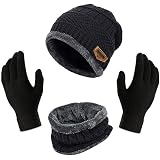
FirstFit Winter 3-in-1 Set – Premium Knitted Unisex Beanie Hat, Fleece-Lined Thermal Scarf & Insulated Gloves – Cozy, Stylish, Cold Weather Gear for Men & Women, Ideal for Travel, Work
₹298.00 (as of September 25, 2026 18:14 GMT +05:30 - More infoProduct prices and availability are accurate as of the date/time indicated and are subject to change. Any price and availability information displayed on [relevant Amazon Site(s), as applicable] at the time of purchase will apply to the purchase of this product.)
PURESPUN® Genuine Leather Gloves for Men | Premium Winter Driving Gloves | Soft Warm Touchscreen Leather Hand Gloves for Bike Riding, Car Driving, Motorcycle, Travel, Office, Outdoor & Daily Use P18
₹399.00 (as of September 25, 2026 18:14 GMT +05:30 - More infoProduct prices and availability are accurate as of the date/time indicated and are subject to change. Any price and availability information displayed on [relevant Amazon Site(s), as applicable] at the time of purchase will apply to the purchase of this product.)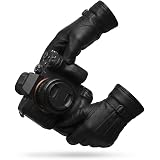
PURESPUN® Genuine Leather Gloves for Men | Premium Winter Driving Gloves | Soft Warm Touchscreen Leather Hand Gloves for Bike Riding, Car Driving, Motorcycle, Travel, Office, Outdoor & Daily Use P21
₹399.00 (as of September 25, 2026 18:14 GMT +05:30 - More infoProduct prices and availability are accurate as of the date/time indicated and are subject to change. Any price and availability information displayed on [relevant Amazon Site(s), as applicable] at the time of purchase will apply to the purchase of this product.)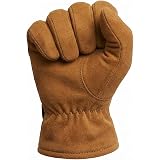
PURE SPUN® Suede Leather Winter Gloves for Men, Genuine Soft Suede Leather Glove with Warm Fleece Lining, Touchscreen Compatible Cold Weather Globe, Winter Driving Gloves for Men, Outdoor Gloves A-2
₹399.00 (as of September 25, 2026 18:14 GMT +05:30 - More infoProduct prices and availability are accurate as of the date/time indicated and are subject to change. Any price and availability information displayed on [relevant Amazon Site(s), as applicable] at the time of purchase will apply to the purchase of this product.)