
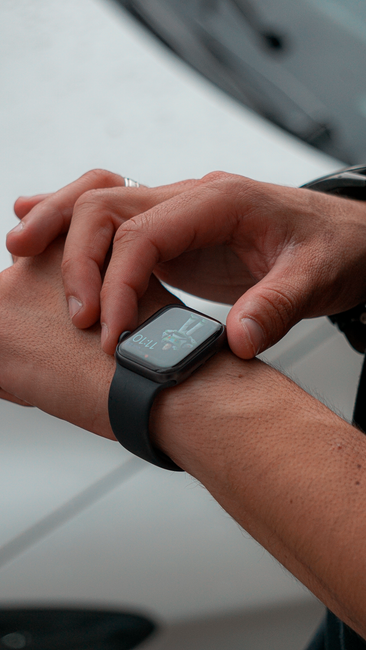
Beyond Steps: Fitness Bands That Track Your Sleep
For years, fitness trackers were synonymous with step counts. The humble pedometer, evolved into sleek wristbands, primarily focused on quantifying our daily movement. However, the landscape of wearable technology has dramatically shifted. Today’s advanced fitness bands offer a far more holistic view of our well-being, with sleep tracking emerging as a paramount feature. Beyond simply counting steps, these devices are now indispensable tools for understanding and improving our nightly rest, revealing crucial insights into our health and recovery.
The science behind sleep tracking in fitness bands is surprisingly sophisticated. Most devices utilize accelerometers and gyroscopes to detect movement during sleep. Subtle shifts in position, tossing and turning, and periods of immobility are analyzed to infer different sleep stages. More advanced bands incorporate optical heart rate sensors. By monitoring heart rate variability (HRV) and resting heart rate during sleep, these devices can provide a more nuanced understanding of sleep quality. Lower heart rate and higher HRV often correlate with deeper, more restorative sleep. Some premium models are even beginning to integrate blood oxygen saturation (SpO2) monitoring, which can detect potential disruptions like sleep apnea.
The primary benefit of sleep tracking lies in its ability to illuminate patterns that were previously invisible. We often feel we’ve slept well, only to discover through data that our sleep was fragmented or lacked sufficient deep sleep. Fitness bands categorize sleep into distinct stages: light sleep, deep sleep, and REM (Rapid Eye Movement) sleep. Light sleep, the transition phase, is crucial for memory consolidation. Deep sleep is vital for physical restoration and growth. REM sleep is where most dreaming occurs and plays a significant role in cognitive function, learning, and emotional regulation. By tracking the duration and percentage of time spent in each stage, users gain a tangible understanding of their sleep architecture.
This granular data empowers users to identify factors influencing their sleep. Are late-night caffeine consumption, evening exercise, or excessive screen time impacting your REM cycles? Does a particularly stressful day lead to more time in light sleep and less in deep sleep? The insights provided by fitness bands can be eye-opening, prompting users to make informed lifestyle adjustments. This proactive approach to sleep health can have a cascading effect on overall well-being, improving mood, cognitive performance, energy levels, and even immune function.
The user interface and data presentation are critical for making sleep tracking actionable. Reputable fitness bands present sleep data in intuitive charts and graphs, typically within a companion smartphone app. This allows for easy comparison of sleep quality over days, weeks, and months. Many apps offer personalized recommendations based on the collected data, suggesting optimal bedtime windows, relaxation techniques, or strategies for improving sleep hygiene. Features like “sleep scores” provide a simplified, aggregated measure of sleep quality, making it easier to track progress and identify trends at a glance.
Several leading fitness bands excel in their sleep tracking capabilities. Fitbit, a pioneer in the wearable market, offers robust sleep tracking across its range, with features like “Sleep Score” and detailed breakdowns of sleep stages. Their advanced models also provide insights into sleep disturbances and breathing patterns. Garmin, known for its comprehensive sports and fitness features, integrates sophisticated sleep analysis into its watches, often correlating sleep quality with training readiness and recovery. Apple Watch, with its focus on health and wellness, offers detailed sleep tracking, including time in bed, time asleep, and sleep stages, alongside features like sleep mode to minimize distractions. Samsung’s Galaxy Watch series also provides detailed sleep analysis, often including snoring detection and oxygen saturation monitoring.
Beyond the core tracking, many bands incorporate features designed to actively improve sleep. Gentle, vibrating alarms can wake users during their lightest sleep stage, promoting a less groggy start to the day. Some devices offer guided breathing exercises or meditation sessions that can be used before bed to promote relaxation. The integration of smart home technology is also emerging, with some bands capable of triggering smart lights or thermostats to create an optimal sleep environment.
The accuracy of consumer-grade sleep trackers, while improving, is not on par with clinical polysomnography (PSG), the gold standard for sleep studies. However, for the vast majority of users seeking to understand general sleep patterns and identify potential issues, these devices provide valuable and actionable data. The consistent tracking of trends over time is often more informative than a single night’s data. Users should interpret the data as a guide, not a definitive diagnosis, and consult with healthcare professionals if they have persistent sleep concerns.
The evolution of fitness bands from step counters to comprehensive sleep monitors reflects a broader shift in our understanding of health. We are moving beyond isolated metrics to embrace a more holistic approach, recognizing that adequate sleep is as fundamental to well-being as diet and exercise. By empowering individuals with data about their nightly rest, these devices are not just tracking sleep; they are actively contributing to a culture of proactive health management and improved quality of life. The future of fitness bands undoubtedly lies in further refining sleep analysis, perhaps incorporating more advanced physiological sensors and AI-driven personalized recommendations, making them even more indispensable tools for optimizing human performance and longevity. The journey beyond steps has led us to the restorative power of sleep, and fitness bands are the trusted guides on this crucial path.