
Beyond Steps: Fitness Bands Reimagined for Unlocking Optimal Sleep Health
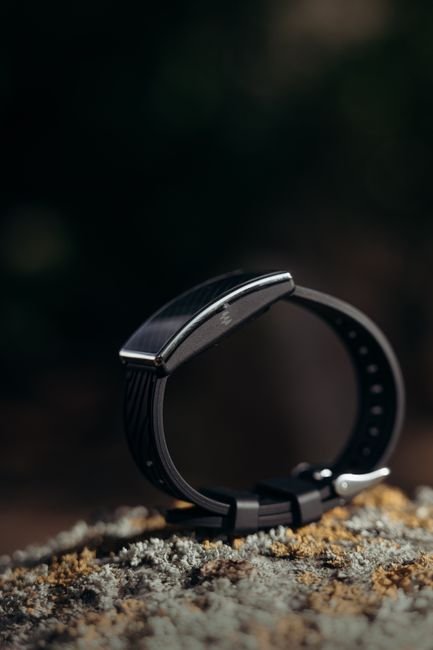
The ubiquitous fitness band, once solely a pedometer on steroids, is undergoing a profound transformation. While step counting remains a core function, a new breed of wearable is shifting its focus, diving deep into the intricate world of sleep health. These next-generation devices are moving beyond mere activity tracking to offer sophisticated insights and actionable guidance, empowering users to not just move more, but sleep better. This evolution is driven by a growing understanding of the critical link between sleep quality and overall well-being, a realization that is reshaping the wearable technology landscape.
The traditional fitness band’s emphasis on step count, while valuable, painted an incomplete picture of a user’s health. We now recognize that a sedentary day followed by a restorative night’s sleep can be more beneficial than a day filled with activity but marred by restless slumber. This paradigm shift has spurred manufacturers to invest heavily in advanced sensor technology and intelligent algorithms specifically designed to monitor and analyze sleep patterns with unprecedented accuracy.
At the forefront of this sleep-centric revolution is the sophisticated tracking of sleep stages. Unlike basic sleep trackers that might only differentiate between awake and asleep, these advanced bands can accurately identify and quantify periods of Light Sleep, Deep Sleep, and REM (Rapid Eye Movement) Sleep. Each stage plays a distinct and vital role in physical and mental restoration. Light sleep, for instance, is crucial for memory consolidation and processing information. Deep sleep is the powerhouse of physical recovery, tissue repair, and growth hormone release. REM sleep, characterized by vivid dreaming, is essential for emotional regulation, learning, and creativity.
To achieve this granular level of sleep stage tracking, fitness bands employ a combination of sensors. Accelerometers and gyroscopes, already standard for step counting, are repurposed to detect subtle movements during sleep, indicating restlessness or transitions between sleep stages. More importantly, the integration of optical heart rate sensors has become a cornerstone. Heart rate variability (HRV), the fluctuation in time between heartbeats, is a powerful indicator of autonomic nervous system activity. During sleep, HRV patterns shift significantly between different sleep stages, allowing advanced algorithms to infer sleep architecture with remarkable precision. Some high-end models even incorporate blood oxygen saturation (SpO2) sensors, which can detect potential disruptions like sleep apnea, a serious condition characterized by intermittent breathing pauses during sleep. Deviations in SpO2 levels can be a red flag, prompting users to seek professional medical advice.
Beyond simply presenting raw data, these fitness bands excel at translating complex sleep metrics into easily digestible insights. Users are no longer bombarded with charts and graphs they don’t understand. Instead, they receive personalized sleep scores, often on a scale of 0-100, which provide a holistic overview of their night’s rest. These scores are typically derived from a combination of sleep duration, time spent in each sleep stage, sleep efficiency (the percentage of time spent asleep while in bed), and any detected disturbances.
Furthermore, the actionable guidance offered by these devices is what truly sets them apart. Many now feature smart alarms designed to wake users during their lightest sleep stage within a designated window. This gentle awakening can significantly reduce grogginess and improve morning alertness, a stark contrast to being jolted awake from deep sleep. Personalized recommendations are also becoming increasingly common. Based on your sleep data, the band might suggest adjusting your bedtime, reducing caffeine intake in the afternoon, or incorporating relaxation techniques before sleep. Some apps even integrate with smart home devices, allowing for automated adjustments to lighting or thermostat settings to create an optimal sleep environment.
The underlying algorithms powering these bands are a testament to advancements in machine learning and data science. By analyzing vast datasets of sleep patterns from millions of users, these algorithms are constantly refined, improving their accuracy and ability to identify individual sleep nuances. This continuous learning process means that the insights provided by your fitness band become more personalized and valuable over time, adapting to your unique physiology and lifestyle.
The focus on sleep health extends beyond just overnight monitoring. Many of these devices also track daytime physiological markers that can influence sleep quality. Stress levels, for example, are often monitored through HRV during the day. High stress can lead to elevated cortisol levels, which can interfere with sleep onset and maintenance. By providing insights into your stress patterns, these bands encourage proactive stress management techniques, which can have a profound positive impact on your sleep. Similarly, tracking activity levels and workout intensity can help users understand how their physical exertion impacts their recovery and sleep. Overtraining or exercising too close to bedtime can disrupt sleep, and these bands can help users identify these patterns.
The integration of these sleep-focused fitness bands into a broader wellness ecosystem is another significant development. Many now sync seamlessly with smartphone applications, offering a centralized hub for all health data. These apps often provide historical trends, allow for goal setting, and offer educational content about sleep hygiene and its importance. Some even connect with other health platforms, enabling a more comprehensive view of your overall health and providing more personalized recommendations.
The market for sleep-focused fitness bands is rapidly expanding, with new features and functionalities emerging regularly. Companies are continually pushing the boundaries, exploring new sensor technologies and AI-driven insights. This competitive landscape is driving innovation, making these devices more accessible and sophisticated than ever before. For individuals struggling with sleep issues, whether it’s difficulty falling asleep, frequent awakenings, or persistent daytime fatigue, these advanced fitness bands offer a powerful and accessible tool for understanding and improving their sleep health. They represent a crucial step forward in our ability to proactively manage our well-being, recognizing that true health is not just about how much we move, but how deeply and restfully we recover.