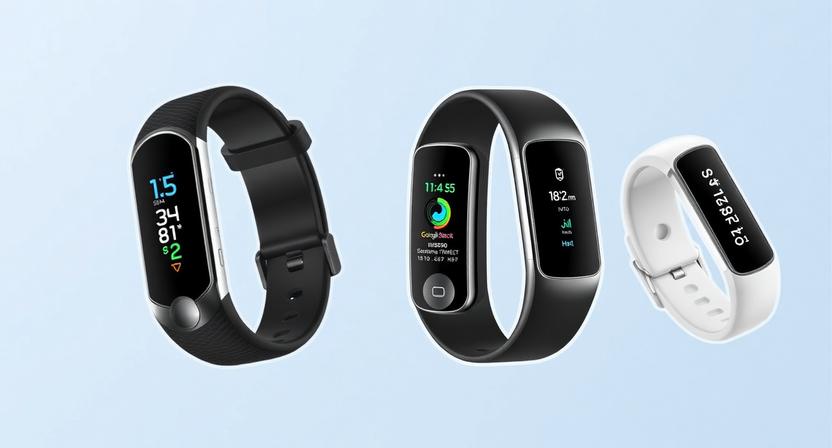
In today’s hyper-connected world, prioritizing sleep is no longer a luxury; it’s a necessity for optimal health and performance. While dedicated sleep trackers exist, many fitness bands now offer robust sleep monitoring capabilities, allowing you to gain valuable insights into your nightly rest alongside your daily activity. This comprehensive guide will delve into the best fitness bands for sleep tracking, equipping you with the knowledge to make an informed purchase that aligns with your health goals.
Understanding Sleep Tracking Metrics: What to Look For
Before diving into specific devices, it’s crucial to understand the key metrics fitness bands typically measure and what they signify:
- Total Sleep Time: The most straightforward metric, indicating the overall duration you were asleep.
- Light Sleep: The initial stage of sleep, characterized by a decrease in heart rate and muscle activity. It’s essential for memory consolidation and physical restoration.
- Deep Sleep: The most restorative stage, crucial for physical recovery, growth hormone release, and immune system function. Lack of deep sleep can lead to fatigue and impaired cognitive function.
- REM Sleep (Rapid Eye Movement): The stage associated with vivid dreaming, crucial for emotional processing, learning, and memory consolidation.
- Sleep Stages Breakdown: The percentage or duration spent in each sleep stage provides a more nuanced view of sleep quality.
- Wakefulness/Awake Time: The periods you were awake during the night. Frequent awakenings can disrupt sleep cycles and reduce overall sleep quality.
- Sleep Score: Many devices provide a composite score representing your overall sleep quality, often taking into account duration, depth, and consistency.
- Heart Rate During Sleep: Monitoring your resting heart rate during sleep can indicate your body’s recovery status. A lower resting heart rate generally signifies better cardiovascular health and fitness.
- Blood Oxygen Saturation (SpO2): Some advanced trackers measure SpO2 levels during sleep. Significant drops can be indicative of sleep apnea or other respiratory issues.
- Breathing Rate: Tracking your breathing patterns can offer further insights into your sleep quality and potential disturbances.
- Sleep Consistency: The regularity of your sleep and wake times is a vital component of healthy sleep hygiene.
Top Fitness Bands for Sleep Tracking: A Deep Dive
The market is flooded with options, but certain fitness bands consistently stand out for their accuracy, insightful data, and user-friendly interfaces when it comes to sleep tracking.
1. Fitbit Charge 6:
Fitbit has long been a leader in wearable technology, and the Charge 6 continues this legacy with impressive sleep tracking capabilities. It offers detailed breakdowns of light, deep, and REM sleep, along with a user-friendly sleep score. The accompanying Fitbit app provides personalized insights and recommendations based on your data. The Charge 6 also boasts SpO2 monitoring and a daily readiness score, which considers your recent activity, sleep, and heart rate variability to help you decide whether to push hard or prioritize recovery. Its long battery life ensures continuous tracking without frequent charging interruptions.
- Key Sleep Features: Detailed sleep stage tracking (light, deep, REM), sleep score, SpO2 monitoring, daily readiness score, guided breathing exercises.
- Pros: Comprehensive sleep insights, intuitive app, excellent battery life, built-in GPS, ECG app.
- Cons: Premium features require a Fitbit Premium subscription.
2. Garmin Vivosmart 5:
Garmin is renowned for its performance-oriented wearables, and the Vivosmart 5 offers a surprisingly robust sleep tracking experience for its price point. It provides essential sleep stage data (light, deep, REM), total sleep time, and periods of movement. The Garmin Connect app visualizes this data effectively and offers insights into sleep patterns. While it may not delve into the same granular detail as some higher-end options, it’s an excellent choice for those seeking reliable sleep tracking without unnecessary complexity. The device also includes Body Battery energy monitoring, which helps you understand how sleep and activity impact your energy levels.
- Key Sleep Features: Sleep stage tracking (light, deep, REM), Body Battery energy monitoring, respiration tracking, stress tracking.
- Pros: Accurate sleep tracking for its price, user-friendly app, long battery life, robust health monitoring features.
- Cons: Lacks SpO2 monitoring and advanced sleep metrics found in premium models.
3. Oura Ring Gen3:
While not strictly a fitness band, the Oura Ring deserves a prominent mention for its exceptional sleep tracking accuracy and comprehensive analysis. This discreet ring uses advanced sensors to monitor heart rate, heart rate variability (HRV), body temperature, and movement, translating this data into highly detailed sleep stage breakdowns, sleep scores, and recovery insights. The Oura app provides a wealth of information, including a readiness score that guides your daily activity based on your body’s recovery. Its focus on sleep and recovery makes it a top choice for athletes and individuals prioritizing deep sleep insights.
- Key Sleep Features: Advanced sleep stage tracking (light, deep, REM), sleep efficiency, sleep latency, HRV, body temperature, readiness score, blood oxygen (SpO2) monitoring.
- Pros: Unparalleled sleep tracking accuracy, highly detailed insights, discreet and comfortable design, excellent recovery metrics.
- Cons: Requires a subscription for full app functionality, higher initial cost.
4. Whoop 4.0:
Whoop is a subscription-based wearable that focuses heavily on recovery, strain, and sleep. The Whoop 4.0 band continuously monitors your physiological data, including sleep stages, heart rate, HRV, and respiratory rate, to provide a detailed “Sleep Performance” score. It emphasizes the impact of sleep on your daily readiness and recovery. The platform offers personalized recommendations for optimizing your sleep and training based on your body’s responses. While it doesn’t have a screen, its primary function is data collection and analysis delivered through its app.
- Key Sleep Features: Detailed sleep stage analysis, sleep efficiency, sleep consistency, respiratory rate, HRV, strain, and recovery scores.
- Pros: Deep dive into recovery and strain, personalized recommendations, focuses on holistic well-being, comfortable and screenless design.
- Cons: Subscription-based model, no on-device display, less focus on traditional fitness metrics like GPS.
5. Amazfit Band 7:
For budget-conscious consumers, the Amazfit Band 7 offers a surprisingly capable sleep tracking experience. It provides basic sleep stage analysis (light, deep, REM), sleep duration, and awake times. The Zepp app presents this data in a clear and understandable format. While it may not match the precision of premium devices, it offers a solid introduction to sleep tracking and provides valuable general insights for those looking to improve their sleep habits without breaking the bank. It also includes SpO2 monitoring, a feature often found on more expensive trackers.
- Key Sleep Features: Sleep stage tracking (light, deep, REM), SpO2 monitoring, stress monitoring, PAI health assessment.
- Pros: Affordable, good value for money, includes SpO2 monitoring, long battery life.
- Cons: Sleep stage accuracy can be less precise than premium options, app features are more basic.
Factors to Consider When Choosing:
- Accuracy: While all trackers aim for accuracy, some are more precise than others. Reviews and independent testing can provide insight into a device’s reliability.
- Comfort: You’ll be wearing the device 24/7, so comfort is paramount, especially for sleep tracking. Consider the material, weight, and strap design.
- App Experience: The accompanying app is where you’ll interpret your data. A well-designed, intuitive app with actionable insights is crucial.
- Additional Features: Do you need GPS, heart rate monitoring, SpO2, ECG, or other health metrics? Consider how sleep tracking fits into your overall health and fitness goals.
- Battery Life: A longer battery life means less frequent charging and uninterrupted sleep tracking.
- Price and Subscription Models: Some devices come with a higher upfront cost but offer all features unlocked, while others have a lower initial price but require a subscription for advanced insights.
Optimizing Your Sleep with Fitness Band Data:
Once you have your chosen fitness band, the real value lies in how you use the data.
- Identify Patterns: Look for trends in your sleep stages, duration, and consistency. Are certain nights consistently worse than others?
- Correlation with Lifestyle: Connect your sleep data with your daily activities. Did a late-night workout impact your deep sleep? Did stress levels affect your REM sleep?
- Experiment with Habits: Use the data to test the impact of changes to your sleep hygiene, such as adjusting your bedtime, reducing screen time before bed, or moderating caffeine intake.
- Set Realistic Goals: Aim for consistent sleep duration and quality rather than obsessing over perfect scores.
- Consult Professionals: If you consistently experience poor sleep or notice concerning trends, consult a healthcare professional or a sleep specialist. Fitness trackers are tools, not diagnostic devices.
By understanding the metrics, exploring the top-tier devices, and actively utilizing the insights provided, you can leverage the power of fitness bands to unlock the secrets of your sleep and embark on a journey towards better rest and overall well-being.
sekyo Flex Screenless Smart Band - Fitness Tracker, Heart Rate & Sleep (Brown)
₹2,999.00 (as of September 29, 2026 13:07 GMT +05:30 - More infoProduct prices and availability are accurate as of the date/time indicated and are subject to change. Any price and availability information displayed on [relevant Amazon Site(s), as applicable] at the time of purchase will apply to the purchase of this product.)
Fitbit Google Air - Screenless Activity Tracker with Fitness, Heart Rate, and Sleep Tracking - Personalized AI-Powered Coaching - Up to 7 Days’ Battery Life - Works with iOS and Android - Obsidian
Now retrieving the price.
(as of September 29, 2026 13:07 GMT +05:30 - More infoProduct prices and availability are accurate as of the date/time indicated and are subject to change. Any price and availability information displayed on [relevant Amazon Site(s), as applicable] at the time of purchase will apply to the purchase of this product.)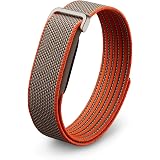
Google Fitbit Air - Screenless Fitness and Health Tracking - Works with Android and iOS - Stephen Curry Special Edition
₹24,499.00 (as of September 29, 2026 13:07 GMT +05:30 - More infoProduct prices and availability are accurate as of the date/time indicated and are subject to change. Any price and availability information displayed on [relevant Amazon Site(s), as applicable] at the time of purchase will apply to the purchase of this product.)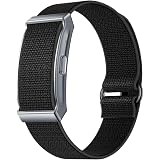
FITIX- GT Pro Smart Fitness Band,24/7 Activity Tracking, Heart Rate Monitoring, HRV Analysis, Stress and Sleep Tracking, 30+ Days Battery Life, Ai-Analysis, Subscription Free App
₹2,699.00 (as of September 29, 2026 13:07 GMT +05:30 - More infoProduct prices and availability are accurate as of the date/time indicated and are subject to change. Any price and availability information displayed on [relevant Amazon Site(s), as applicable] at the time of purchase will apply to the purchase of this product.)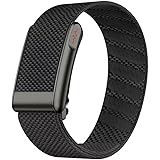
Loop Smart Band Fitness Health Activity Tracker ECG PPG Body Temperature, HRV Analysis, 30+ Exercise Modes, Sleep and Stress Monitor, Subscription Free Screenless Smart Bracelet
₹5,980.00 (as of September 29, 2026 13:07 GMT +05:30 - More infoProduct prices and availability are accurate as of the date/time indicated and are subject to change. Any price and availability information displayed on [relevant Amazon Site(s), as applicable] at the time of purchase will apply to the purchase of this product.)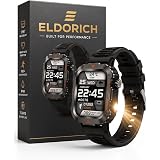
ELDORICH Sporty Smartwatch with Inbuilt Torch, Bluetooth Calling, 1.96" HD Display, Heart Rate & SpO2 Monitor, 100+ Sports Modes, IP68 Waterproof, 7 Days Battery, Fitness Smart Watch for Men & Women
₹799.00 (as of September 29, 2026 13:07 GMT +05:30 - More infoProduct prices and availability are accurate as of the date/time indicated and are subject to change. Any price and availability information displayed on [relevant Amazon Site(s), as applicable] at the time of purchase will apply to the purchase of this product.)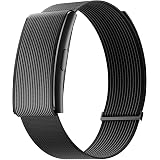
CrossBeats Vector Smart Band with 45 Days Battery Life, 5ATM Waterproof, HRV & SpO2 Tracking, Sleep & Stress Monitoring, 6-Axis Motion Sensor, Strava & Google Health Connect
₹3,999.00 (as of September 29, 2026 13:07 GMT +05:30 - More infoProduct prices and availability are accurate as of the date/time indicated and are subject to change. Any price and availability information displayed on [relevant Amazon Site(s), as applicable] at the time of purchase will apply to the purchase of this product.)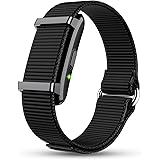
Pebble Qore 2 Smart Band Heart Rate | HRV | Body Temperature Monitoring | Sleep Tracker | 5ATM Water Resistant | Multiple Sports Modes | Premium Metal Body (Cosmic Black)
₹3,299.00 (as of September 29, 2026 13:07 GMT +05:30 - More infoProduct prices and availability are accurate as of the date/time indicated and are subject to change. Any price and availability information displayed on [relevant Amazon Site(s), as applicable] at the time of purchase will apply to the purchase of this product.)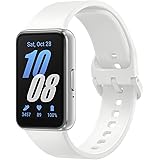
Samsung Galaxy Fit3 Smartwatch Silver (Silver) SM-R390
₹4,200.00 (as of September 29, 2026 13:07 GMT +05:30 - More infoProduct prices and availability are accurate as of the date/time indicated and are subject to change. Any price and availability information displayed on [relevant Amazon Site(s), as applicable] at the time of purchase will apply to the purchase of this product.)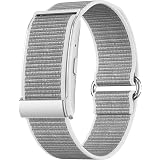
sekyo Smart Flex pro Fitness Band for man, No-Display Fitness Tracker with Heart Rate & Sleep Monitoring, Activity Tracker, Remote Camera Control, Waterproof Wearable (Brown)
Now retrieving the price.
(as of September 29, 2026 13:07 GMT +05:30 - More infoProduct prices and availability are accurate as of the date/time indicated and are subject to change. Any price and availability information displayed on [relevant Amazon Site(s), as applicable] at the time of purchase will apply to the purchase of this product.)
Samsung Galaxy Fit3 (Gray) | 4cm AMOLED Display | 13 Days Battery | 100+ Exercises | Media Control | Track Sleep | Track Your Workout
₹4,899.00 (as of September 29, 2026 13:07 GMT +05:30 - More infoProduct prices and availability are accurate as of the date/time indicated and are subject to change. Any price and availability information displayed on [relevant Amazon Site(s), as applicable] at the time of purchase will apply to the purchase of this product.)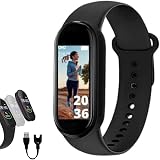
Drumstone 𝟏𝟓-𝐘𝐞𝐚𝐫 𝐖𝐚𝐫𝐫𝐚𝐧𝐭𝐲 M7 Fitness Band with Heart Rate, BP, Sleep Monitor & Step Counter | Waterproof Activity Tracker for Men, Women | Health Watch for Walking, Running, Exercise
₹889.00 (as of September 29, 2026 13:07 GMT +05:30 - More infoProduct prices and availability are accurate as of the date/time indicated and are subject to change. Any price and availability information displayed on [relevant Amazon Site(s), as applicable] at the time of purchase will apply to the purchase of this product.)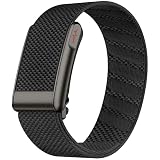
Loop Smart Fitness Band with ECG, Heart Rate & Activity Tracking | Sleep Tracking, Multiple Sports Modes, Subscription Free App, Black, 19.99 cm Strap, No Subscription Needed
Now retrieving the price.
(as of September 29, 2026 13:07 GMT +05:30 - More infoProduct prices and availability are accurate as of the date/time indicated and are subject to change. Any price and availability information displayed on [relevant Amazon Site(s), as applicable] at the time of purchase will apply to the purchase of this product.)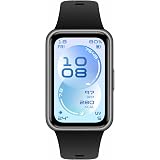
Huawei Band 11 Health & Fitness Tracker, Enhanced Sleep Tracking, All-Day Health Monitoring, Ultra-Slim & Comfort Wear, Compatible with iOS & Android, Smart Watch, Metal (Black)
₹4,599.00 (as of September 29, 2026 13:07 GMT +05:30 - More infoProduct prices and availability are accurate as of the date/time indicated and are subject to change. Any price and availability information displayed on [relevant Amazon Site(s), as applicable] at the time of purchase will apply to the purchase of this product.)
BYDEE Smart Fitness Tracker | Heart Rate, SpO2, Sleep & ECG Monitor | Trusted Fitness Data| 7 Days Battery | Body Temperature | Multi-Sport Tracker for Daily Health & Fitness| Smart Band| (Noir)
₹6,400.00 (as of September 29, 2026 13:07 GMT +05:30 - More infoProduct prices and availability are accurate as of the date/time indicated and are subject to change. Any price and availability information displayed on [relevant Amazon Site(s), as applicable] at the time of purchase will apply to the purchase of this product.)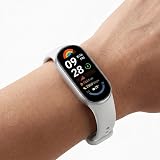
Drumstone TopRated 𝟏𝟓𝐘𝐫 𝐖𝐚𝐫𝐫𝐚𝐧𝐭𝐲 Waterproof Fitness Watch with Heart Rate and Blood Pressure Monitor, Step Counter, Calorie Tracker, Sleep Analysis and Smart Alerts, Smart Watch
₹889.00 (as of September 29, 2026 13:07 GMT +05:30 - More infoProduct prices and availability are accurate as of the date/time indicated and are subject to change. Any price and availability information displayed on [relevant Amazon Site(s), as applicable] at the time of purchase will apply to the purchase of this product.)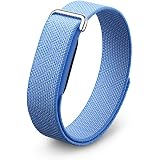
Google Fitbit Air - Screenless Activity Tracker with Fitness, Heart Rate, and Sleep Tracking - Personalized AI-Powered Coaching - Up to 7 Days’ Battery Life - Works with iOS and Android - Lavender
₹15,600.00 (as of September 29, 2026 13:07 GMT +05:30 - More infoProduct prices and availability are accurate as of the date/time indicated and are subject to change. Any price and availability information displayed on [relevant Amazon Site(s), as applicable] at the time of purchase will apply to the purchase of this product.)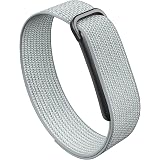
Fit Style Smart Band Fitness Health Activity Tracker HRV Analysis, Sleep and Stress Monitor, Subscription Free Screenless Smart Bracelet (Gray)
₹3,100.00 (as of September 29, 2026 13:07 GMT +05:30 - More infoProduct prices and availability are accurate as of the date/time indicated and are subject to change. Any price and availability information displayed on [relevant Amazon Site(s), as applicable] at the time of purchase will apply to the purchase of this product.)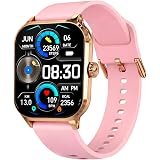
Smart Watch for Men, Women, Boys, Girls, Kids – Full Touch Screen Display, Bluetooth Calling, Rotating Crown, Workout Modes, Wireless Charging Smart Watch (Pink)
Now retrieving the price.
(as of September 29, 2026 13:07 GMT +05:30 - More infoProduct prices and availability are accurate as of the date/time indicated and are subject to change. Any price and availability information displayed on [relevant Amazon Site(s), as applicable] at the time of purchase will apply to the purchase of this product.)