
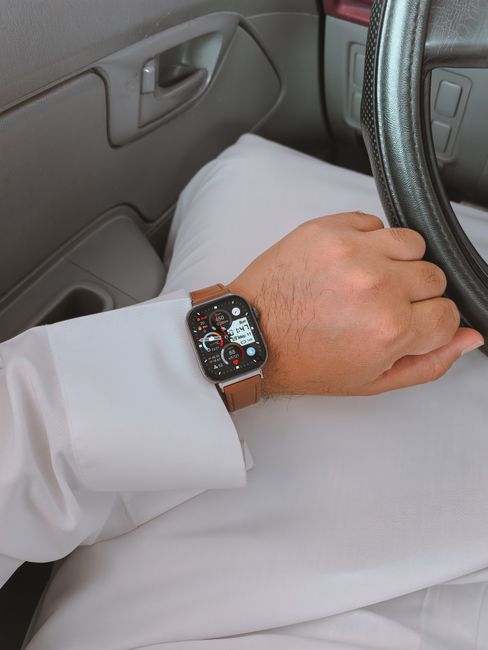
Beyond Fitness: Smart Bands for Stress Management
The relentless pace of modern life often leaves us feeling overwhelmed, a pervasive sense of stress becoming an unwelcome companion. While smart bands have long been synonymous with tracking steps and calories, their capabilities have rapidly evolved. Today, these wearable devices are emerging as powerful allies in the fight against stress, offering sophisticated tools for monitoring, understanding, and actively managing our mental well-being. Beyond mere fitness metrics, smart bands are venturing into the intricate landscape of physiological stress indicators, empowering individuals with data-driven insights to reclaim their calm.
At the forefront of this evolution lies the heart rate variability (HRV) metric. HRV, the variation in time between consecutive heartbeats, is a crucial indicator of the autonomic nervous system’s balance. A higher HRV generally signifies a more adaptable and resilient nervous system, better equipped to handle stressors. Conversely, a lower HRV often points to a state of chronic stress or sympathetic nervous system dominance, commonly known as the “fight or flight” response. Smart bands equipped with advanced optical sensors can accurately measure HRV throughout the day and night. By analyzing these fluctuations, users can identify patterns, pinpoint triggers, and gain a tangible understanding of their body’s stress response. For instance, a sudden dip in HRV during a work meeting might alert an individual to an impending stress spike, allowing them to proactively employ coping mechanisms.
Another key physiological marker leveraged by smart bands is electrodermal activity (EDA), also known as galvanic skin response (GSR). EDA measures the subtle changes in the electrical conductivity of the skin, which are directly influenced by sweat gland activity. When we experience stress, our sympathetic nervous system activates, leading to increased perspiration and a higher skin conductance. Smart bands incorporating EDA sensors can detect these subtle shifts, providing a real-time indication of emotional arousal and stress levels. This data can be invaluable for identifying moments of heightened tension and understanding how different situations or activities impact our physiological state. Some advanced bands even offer guided breathing exercises or mindfulness prompts when elevated EDA levels are detected, offering immediate intervention.
Sleep tracking, a cornerstone of traditional smart band functionality, plays a surprisingly significant role in stress management. Poor sleep quality and insufficient rest are potent accelerators of stress, creating a vicious cycle. Smart bands meticulously monitor sleep stages (light, deep, REM), duration, and disruptions. By correlating sleep data with stress indicators, users can uncover the intricate relationship between their rest and their resilience. For example, consistently poor deep sleep might be a red flag indicating underlying stress that is preventing restorative rest. Armed with this knowledge, individuals can prioritize sleep hygiene, implement relaxation techniques before bed, and work towards improving their sleep quality, thereby enhancing their stress coping abilities.
Beyond passive monitoring, many smart bands are now integrating guided mindfulness and breathing exercises. These on-demand tools offer immediate relief during moments of acute stress. Features like paced breathing exercises, where the band visually guides the user through inhales and exhales, can effectively activate the parasympathetic nervous system, promoting relaxation and reducing heart rate. Similarly, guided meditations, often accessible through companion apps, provide structured sessions to cultivate mindfulness and reduce rumination. The convenience of having these tools accessible on one’s wrist makes them a practical solution for incorporating stress-reducing practices into busy daily routines.
The algorithms and artificial intelligence (AI) embedded within smart band platforms are becoming increasingly sophisticated in their ability to interpret stress-related data. These AI-powered systems can learn individual user patterns, identify personalized stressors, and provide tailored recommendations. Instead of generic advice, users receive insights specific to their physiology and lifestyle. This could manifest as personalized alerts for impending stress peaks, suggestions for optimal times to engage in relaxation techniques, or even insights into how specific dietary choices or exercise routines influence stress levels. The goal is to move beyond raw data to actionable intelligence, empowering users to make informed decisions about their well-being.
Stress scores are a common feature on many smart bands, offering a simplified, consolidated view of an individual’s stress levels over a period. These scores are typically derived from a combination of HRV, heart rate, and sleep data, providing a daily or weekly snapshot of overall stress burden. While not a diagnostic tool, these scores serve as a valuable barometer, allowing users to track their progress and assess the effectiveness of their stress management strategies. A consistent downward trend in stress scores can be a powerful motivator and validation of positive lifestyle changes.
Body battery or energy monitoring features, often found on fitness-focused smart bands, also contribute to stress management. These metrics track the body’s perceived energy reserves, factoring in physical activity, rest, and recovery. When the body battery is depleted, it often signifies a state of physical and mental fatigue, which can exacerbate stress. By understanding their energy levels, users can learn to pace themselves, avoid overexertion, and prioritize rest when needed, thereby preventing burnout and building greater resilience to stress.
The user interface and companion app experience are crucial for the effective utilization of smart band stress management features. Intuitive dashboards, clear data visualizations, and easy access to guided exercises are essential. The app should provide context for the data, explaining what the metrics mean and how they relate to stress. Furthermore, features like journaling prompts within the app can encourage users to reflect on their experiences and identify personal stressors, complementing the physiological data with subjective insights.
The growing integration of smart bands with other digital wellness platforms and apps further enhances their stress management capabilities. Data can be shared with mental health apps, journaling tools, or even with healthcare professionals (with user consent) to provide a more comprehensive picture of well-being. This interconnectedness fosters a holistic approach to health, where physical and mental well-being are treated as integral parts of a single system.
While the technology is advanced, it’s important to remember that smart bands are tools, not cures. They provide data and guidance, but the active implementation of stress management techniques remains the user’s responsibility. However, by demystifying the physiological responses to stress and offering accessible, data-driven insights, smart bands are democratizing stress management, empowering individuals to take proactive control of their mental well-being and move beyond mere fitness to a more balanced and resilient life. The continuous innovation in sensor technology and AI will undoubtedly lead to even more sophisticated and personalized stress management solutions in the years to come.