
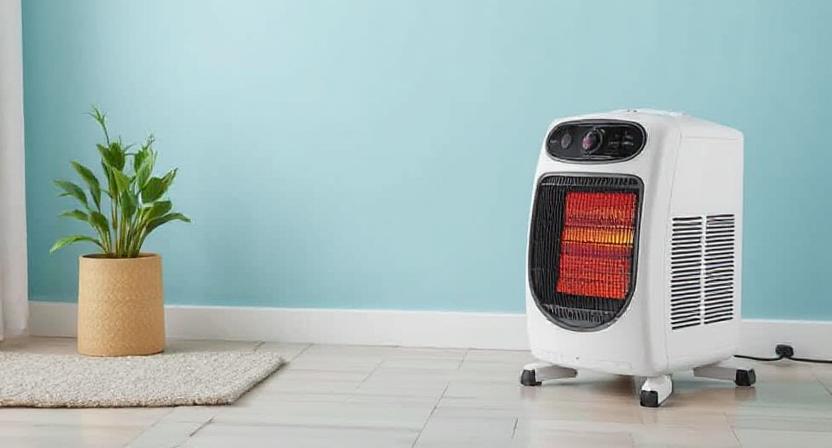
Description: Comprehensive guide for Indian buyers on selecting the best room heater. Covers OFR, Halogen, PTC types, crucial safety features (ISI/BIS), power consumption, and energy-saving tips.
❄️ Introduction: The Growing Need for Smart Winter Solutions in India
Winter in India is a tale of two extremes. While the south experiences pleasant coolness, the northern, central, and eastern regions, especially states like Punjab, Haryana, Delhi-NCR, and the Himalayan belts, face severe, often sub-zero temperatures. With urbanisation and an increasing middle-class income (CAGR projected at over 6.8% according to recent market analysis), the reliance on traditional heating methods like angithis (coal stoves) is rapidly declining in favour of modern, convenient, and safer electric room heaters.
However, the electric room heater market is saturated with options—from low-wattage quartz heaters to powerful oil-filled radiators (OFRs). Choosing the Best Room Heater in India requires balancing three crucial factors: Type (which dictates performance), Safety (which is non-negotiable), and Efficiency (to manage high electricity bills).
This comprehensive, data-backed guide is designed to empower the Indian consumer with expert knowledge, ensuring you make a smart, safe, and comfortable choice for your home this winter.
🔬 Section 1: Decoding the Types of Room Heaters – Performance vs. Purpose
The core of your decision lies in understanding the three primary technologies available in the Indian market. Each excels in different environments and scenarios.
Type 1: Radiant/Infrared Heaters (Quartz & Halogen)
These heaters focus on direct, instant heat, much like the sun’s rays. They heat objects and people directly in front of them, not the air circulating in the room.
- Technology: They use heated elements (Quartz or Halogen tubes) behind a metallic reflector to generate infrared heat.
- Ideal Use: Spot heating (e.g., sitting near a desk, reading in a chair) and small rooms (up to 100 sq. ft.).
- Pros:
- Instant Heat: Warmth is felt almost immediately.
- Low Initial Cost: They are the most budget-friendly option (many models are under ₹2,000).
- Low Wattage Option: Quartz models often run at 400W/800W, making them the lowest power-consuming type.
- Cons:
- Dry Air/Oxygen Consumption: They can consume oxygen and significantly dry out the air, requiring good ventilation.
- Uneven Heating: Only heat the area directly in front. The room air remains cold.
- Light Glare: Halogen models produce a bright orange/red light, which can disturb sleep.
| Model Example | Power Range | Heating Speed | Best For |
| Usha Quartz/Orient Stark | 400W – 800W | Instant | Personal use, Small Bedrooms |
Type 2: Convection Heaters (Fan/Blower & PTC Ceramic)
Convection heaters work by heating the air and circulating it using a fan. They are designed to warm the entire room volume.
- Technology: Electricity heats a metallic coil (or a safer PTC Ceramic element). A fan then blows the heated air into the room.
- Ideal Use: Quick warming of small to medium rooms (up to 200 sq. ft.) that need to be heated up fast (e.g., a bedroom before sleeping).
- Pros:
- Fast Heating: Can raise the ambient temperature of a room quickly.
- Uniform Heat: Distributes warmth relatively evenly across the room volume.
- Safety (PTC): PTC (Positive Temperature Coefficient) Ceramic models are inherently safer as the ceramic stone regulates temperature, greatly reducing the risk of overheating and making them a highly trusted choice.
- Cons:
- Noise: The fan generates noise, which can be disruptive, especially for light sleepers.
- Drying Effect: Continuous blowing of hot air can still contribute to air dryness.
- Dust Circulation: Tends to circulate dust particles in the room.
Type 3: Oil-Filled Radiators (OFRs) – The Healthy and Efficient King
OFRs are the gold standard for sustained, consistent, and healthy heating. They are the largest market segment in the medium-to-high price range.
- Technology: Electrical resistance heats diathermic oil (HD320 grade mineral oil) sealed inside metal fins. The hot oil heats the fins, which then heat the air through convection (natural air movement).
- Ideal Use: Extended, continuous use for medium to large rooms (up to 300 sq. ft.), especially bedrooms and baby nurseries, where quiet, lasting heat is essential.
- Pros:
- Zero Oxygen Consumption: The oil is sealed, so it doesn’t burn oxygen or dry out the air, making it the healthiest choice for extended use.
- Silent Operation: They operate completely silently, perfect for night use.
- Heat Retention: Once switched off, the oil-filled fins continue to radiate heat for a long period, which contributes to energy efficiency over time.
- Safety: Modern OFRs include advanced safety features like tip-over switches and overheating protection.
- Cons:
- Slow Initial Heating: Takes 15-30 minutes to heat up the oil and start radiating noticeable warmth.
- High Initial Cost: The most expensive type upfront (typically ₹5,000 to ₹15,000).
- Heavy and Bulky: Requires castor wheels for movement.
Expert Recommendation: For all-day comfort and healthy, overnight use, the Oil-Filled Radiator (OFR) is the definitive Best Room Heater choice in India, despite the higher price.
⚡ Section 2: Power Consumption and Achieving True Efficiency
The biggest concern for Indian consumers is the potential spike in the electricity bill. Understanding wattage and efficiency features is crucial for cost management.
Wattage vs. Room Size: The Golden Rule
The most common misconception is that a higher-wattage heater is automatically better. Efficiency is achieved by matching the wattage to the room size.
- The 10 Watt per Square Foot Rule: For adequately insulated Indian homes, a good rule of thumb is to allow 10 watts of power for every square foot of floor area.
- Small Room (10×10 ft / 100 sq. ft.): Needs approximately 1000W (e.g., a high-setting Quartz/Fan heater).
- Medium Room (15×15 ft / 225 sq. ft.): Needs 2000W – 2500W (e.g., a 9-11 Fin OFR).
- Typical Consumption: Most electric room heaters operate between 750W and 2000W. Running a 2000W heater for 5 hours consumes 10 kWh of electricity. Given the average Indian tariff, this can significantly impact monthly bills.
Features That Drive Energy Savings
True efficiency lies not just in the heater’s technology, but in its smart controls.
- Adjustable Thermostat: This is the single most powerful energy-saving feature. Instead of running continuously at full power, the thermostat turns the heating element on and off to maintain a consistent, comfortable temperature. This prevents overheating and unnecessary electricity use. Always choose a heater with an accurate thermostat.
- Multiple Heat Settings: Look for 2 or 3 power settings (e.g., 800W, 1200W, 2000W). Start at the highest setting to quickly warm the room, then switch to a lower setting for maintenance heating.
- Built-in Timer: This allows you to set the heater to turn off automatically after a certain period (e.g., after 2 hours) or to turn on 30 minutes before you wake up, eliminating the risk of leaving it running needlessly.
- PTC Fan Heater Integration (OFRs): Premium OFR models often include a small, additional PTC fan heater. Use the fan feature for rapid initial warm-up, then switch to the silent, efficient OFR mode for sustained comfort.
| Heater Type | Typical Wattage | Energy Use Pattern | Efficiency Contributor |
| OFR | 1500W – 2900W | High initial, drops to low maintenance | Heat Retention, Thermostat Control |
| Fan/PTC | 1000W – 2000W | On/Off cycles (fast response) | PTC self-regulation, Thermostat |
| Quartz/Halogen | 400W – 1200W | Continuous, Low Power | Low overall wattage |
🛡️ Section 3: Safety First – ISI, BIS, and Essential Features for Indian Homes
Safety is paramount. In India, every year, tragic incidents are reported due to faulty heating equipment or improper use. A reputable heater is one that is built to protect.
Mandatory Indian Safety Certifications
- ISI Mark / BIS Certification (IS 302: Part 2/Sec 30): The Bureau of Indian Standards (BIS) certification, symbolised by the ISI Mark, is a legal requirement for electric room heaters sold in India. This mark guarantees the product complies with Indian electrical, thermal, and mechanical safety requirements. Never buy a heater without a valid ISI mark.
Non-Negotiable Safety Features
- Overheat Protection (Thermal Cut-Out): This feature automatically turns off the heating element if the internal temperature exceeds a safe limit (e.g., due to a blocked vent or a faulty part). This is the most crucial fire prevention feature.
- Tip-Over Safety Switch: A mechanical switch that instantly cuts power to the unit if it is accidentally knocked over. Essential for homes with children, elderly members, or pets.
- Cool-Touch Body: Especially important for Fan and Quartz heaters. A cool-touch exterior (often a safety grill or non-heating plastic/metal) prevents accidental burns upon contact.
- Enclosed Heating Element: Found in Fan and OFR models. This prevents direct contact with the super-hot heating coil, significantly reducing the risk of fire and burns. Radiant heaters require a sturdy, closely meshed safety grill.
- Power Cord Quality: Look for thick, high-quality, heat-resistant cords and a proper 16A plug (often referred to as a power plug), as high-wattage heaters must be plugged directly into a dedicated wall socket, not into a standard extension cord.
Critical Safety Usage Tips (Actionable Insights)
- The 3-Foot Rule (90 cm): Always position the heater at least 3 feet (about one metre) away from flammable materials: curtains, clothing, beds, furniture, papers, etc.
- No Extension Cords: Plug the heater directly into a wall socket. Extension cords can overheat and melt due to the heater’s high wattage.
- Ventilation: Radiant and Fan heaters consume oxygen and reduce humidity. Always ensure the room is well-ventilated (e.g., keep a window slightly ajar) when using these types, especially overnight. OFRs are safer in closed rooms but ventilation is still recommended.
- Placement: Place the heater on a stable, non-flammable surface (like the floor), never on rugs, carpets, tables, or other high surfaces where it could be easily tipped.
🥇 Section 4: Handpicked Recommendations by Indian Brands & Budget
The Indian market is led by trusted domestic brands known for their reliability and service network.
Top Performers Across Key Segments
| Category | Recommended Type | Top Brands (ISI Certified) | Best Feature |
| Budget/Spot Heating | Quartz/Halogen | Usha, Bajaj, Orient | Lowest Power Consumption (400W/800W) |
| Quick & Portable | PTC Fan Heater | Havells Comforter, Orpat | Fastest Room Warm-up, High Safety (PTC) |
| Premium/Overnight Use | Oil-Filled Radiator (OFR) | Havells Hestio, Morphy Richards, Usha | Silent, No Air Drying, Sustained Heat |
- Example Case Study: The OFR Advantage (Havells/Usha): While the initial price of a 13-fin OFR may be ₹10,000, its ability to run quietly overnight with a low-setting thermostat for 8 hours (consuming an average of 1.2 kWh per hour) provides comfort without the dryness or noise of a fan heater, justifying the price as a long-term investment in health and sleep quality.
Factors Affecting Longevity
- Build Quality: Metal body heaters (like OFRs and some fan heaters) are significantly more durable than lightweight plastic-bodied quartz heaters.
- Heating Element: Ceramic (PTC) elements generally have a longer lifespan than simple coil elements.
- Maintenance: Regularly dust and clean the heater, especially the air intake and vents, to prevent overheating and maintain airflow efficiency.
🎯 Conclusion: Choosing the Heater That Truly Fits Your Indian Home
Choosing the Best Room Heater in India means moving past the cheapest price tag and focusing on what truly matters: safety, efficiency, and the right heat type for your space.
- If your priority is immediate, personal warmth and the lowest electricity bill, choose a Quartz/Halogen heater for spot heating.
- If your priority is quick warmth for short bursts in a small room, choose a PTC Fan Heater.
- If your priority is safe, silent, non-drying heat for children, the elderly, or overnight use in medium-to-large rooms, the Oil-Filled Radiator (OFR) is the smartest, most reliable investment.
Always verify the ISI/BIS mark and the presence of crucial safety features like tip-over protection. By doing your due diligence, you can transform the harsh Indian winter into a period of genuine comfort and warmth, without undue worry about safety or excessive bills.
✍️ Compelling Call to Action
Ready to beat the winter chill safely and efficiently? Compare the latest ISI-certified OFR and PTC models from top Indian brands, and use our Wattage-to-Room-Size calculator (10W per sq. ft.) to find the perfect heater that offers maximum comfort for minimum energy cost. Click here to secure your winter comfort now!
Havells 13 Fin Oil Filled Room Heater (OFR) | Advanced New U-Tech Fast Heating Fins with 10-Year Warranty | 2900W | ISI Approved | PTC Fan Heater | Inclined Control Panel | Black
₹13,990.00 (as of September 19, 2026 18:07 GMT +05:30 - More infoProduct prices and availability are accurate as of the date/time indicated and are subject to change. Any price and availability information displayed on [relevant Amazon Site(s), as applicable] at the time of purchase will apply to the purchase of this product.)
Morphy Richards OFR Room Heater, 09 Fin 2000 Watts Oil Filled Room Heater , ISI Approved (OFR 9 Grey)
₹9,650.00 (as of September 19, 2026 18:07 GMT +05:30 - More infoProduct prices and availability are accurate as of the date/time indicated and are subject to change. Any price and availability information displayed on [relevant Amazon Site(s), as applicable] at the time of purchase will apply to the purchase of this product.)
Orient Electric Quartz Room Heater | 800 W Low Power Consumption | Tip-over Protection | 2 Heating Rods for Quick Heating | Cool Touch Body | 1 Year Warranty, Black
₹1,470.00 (as of September 19, 2026 18:07 GMT +05:30 - More infoProduct prices and availability are accurate as of the date/time indicated and are subject to change. Any price and availability information displayed on [relevant Amazon Site(s), as applicable] at the time of purchase will apply to the purchase of this product.)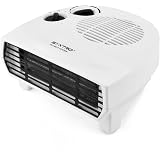
Syntro Aero Heat 1000W/2000W Fan Room Heater for Home | Dual Heat Settings, Adjustable Thermostat, Overheat Protection, Lightweight Portable Electric Heater for Bedroom & Office (White)
₹799.00 (as of September 19, 2026 18:07 GMT +05:30 - More infoProduct prices and availability are accurate as of the date/time indicated and are subject to change. Any price and availability information displayed on [relevant Amazon Site(s), as applicable] at the time of purchase will apply to the purchase of this product.)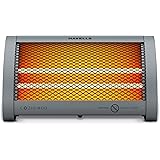
Havells Cozio Nuo Room Heater| Dual Heat Setting 400/800 Watt| Dual Quartz Heating Rods| Silent Operation| Tip Over Protection| Fire Retardant Material| Anti Rust Reflector| 2 Year Warranty(Grey)
₹999.00 (as of September 19, 2026 18:07 GMT +05:30 - More infoProduct prices and availability are accurate as of the date/time indicated and are subject to change. Any price and availability information displayed on [relevant Amazon Site(s), as applicable] at the time of purchase will apply to the purchase of this product.)
ARTEKNIX Car Heater Fan 12V Portable Auto Heater and Cooling Fan, Windshield Defroster Demister with 360 Degree Adjustable Base for Car, SUV, Van and Truck
Now retrieving the price.
(as of September 19, 2026 18:07 GMT +05:30 - More infoProduct prices and availability are accurate as of the date/time indicated and are subject to change. Any price and availability information displayed on [relevant Amazon Site(s), as applicable] at the time of purchase will apply to the purchase of this product.)
Xtreme H1 Infrared Room Heater | 1800 watts, Covers 2000 cu. ft. | Remote Adjustable Temperature | Instant & Healthier Warmth | Thermostat with Heating Mode | 1- Year Warranty
₹36,999.00 (as of September 19, 2026 18:07 GMT +05:30 - More infoProduct prices and availability are accurate as of the date/time indicated and are subject to change. Any price and availability information displayed on [relevant Amazon Site(s), as applicable] at the time of purchase will apply to the purchase of this product.)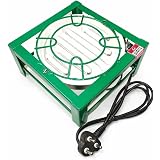
Electric Cooking Heater 1500W Single Burner | Portable Electric Stove with Fast Heating Coil | Heavy Duty Cooking Heater Model-03
₹1,145.00 (as of September 19, 2026 18:07 GMT +05:30 - More infoProduct prices and availability are accurate as of the date/time indicated and are subject to change. Any price and availability information displayed on [relevant Amazon Site(s), as applicable] at the time of purchase will apply to the purchase of this product.)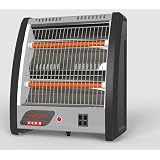
Usha 2 Rod 800 Watt Quartz Heater with Low Power Consumption and Tip Over Protection (4302N, Grey)
₹1,199.00 (as of September 19, 2026 18:07 GMT +05:30 - More infoProduct prices and availability are accurate as of the date/time indicated and are subject to change. Any price and availability information displayed on [relevant Amazon Site(s), as applicable] at the time of purchase will apply to the purchase of this product.)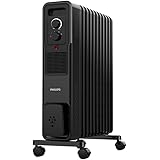
PHILIPS 11 Fin Oil Filled Room Heater (OFR) | M-Shaped fins for faster, uniform heating | Two Knob Controls for temperature & heat modes | Tilt & Auto Shut-Off Safety | PTC Fan Heater for quick warmth
₹13,495.00 (as of September 19, 2026 18:07 GMT +05:30 - More infoProduct prices and availability are accurate as of the date/time indicated and are subject to change. Any price and availability information displayed on [relevant Amazon Site(s), as applicable] at the time of purchase will apply to the purchase of this product.)
CALANDIS 12V 300W Car Heating Heater Hot Fan Driving Defroster Demister For Vehicle
Now retrieving the price.
(as of September 19, 2026 18:07 GMT +05:30 - More infoProduct prices and availability are accurate as of the date/time indicated and are subject to change. Any price and availability information displayed on [relevant Amazon Site(s), as applicable] at the time of purchase will apply to the purchase of this product.)
Softnix Car Heater Fan 12V Portable Auto Heater and Cooling Fan, Windshield Defroster Demister with 360 Degree Adjustable Base for Car, SUV, Van and Truck
Now retrieving the price.
(as of September 19, 2026 18:07 GMT +05:30 - More infoProduct prices and availability are accurate as of the date/time indicated and are subject to change. Any price and availability information displayed on [relevant Amazon Site(s), as applicable] at the time of purchase will apply to the purchase of this product.)
TRENDIVIBE Auto Heater Portable Fast Heating 150W 2 Modes Windshield Defogging Demister Black 12V
₹1,759.00 (as of September 19, 2026 18:07 GMT +05:30 - More infoProduct prices and availability are accurate as of the date/time indicated and are subject to change. Any price and availability information displayed on [relevant Amazon Site(s), as applicable] at the time of purchase will apply to the purchase of this product.)
Electric Cooking Heater 1500W Single Burner | Portable Electric Stove, Fast Heating Coil, Heavy Duty
Now retrieving the price.
(as of September 19, 2026 18:07 GMT +05:30 - More infoProduct prices and availability are accurate as of the date/time indicated and are subject to change. Any price and availability information displayed on [relevant Amazon Site(s), as applicable] at the time of purchase will apply to the purchase of this product.)
Orpat OEH-1260 2000-Watt Fan Heater (Grey)
₹1,299.00 (as of September 19, 2026 18:07 GMT +05:30 - More infoProduct prices and availability are accurate as of the date/time indicated and are subject to change. Any price and availability information displayed on [relevant Amazon Site(s), as applicable] at the time of purchase will apply to the purchase of this product.)
Bajaj Majesty RX10 Room Heater For Home | 2 Heat Settings 1000W/2000 Watts | Triple Safety Assurance | Adjustable Thermostat | Two Way Installation | Heat Convector Room Heater | 2-Yr Warranty 【White】
₹2,599.00 (as of September 19, 2026 18:07 GMT +05:30 - More infoProduct prices and availability are accurate as of the date/time indicated and are subject to change. Any price and availability information displayed on [relevant Amazon Site(s), as applicable] at the time of purchase will apply to the purchase of this product.)
WARMEX HOME APPLIANCES Super Atom 2000W/1000W Wall Mount PTC Room Heater, 2 Heat Modes with Digital Display, ISI Certified With 1 Year Warranty, Overheat Protection Heater for Bedroom, White
₹5,499.00 (as of September 19, 2026 18:07 GMT +05:30 - More infoProduct prices and availability are accurate as of the date/time indicated and are subject to change. Any price and availability information displayed on [relevant Amazon Site(s), as applicable] at the time of purchase will apply to the purchase of this product.)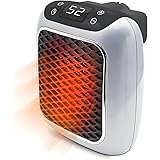
sadhguru volex 800W Electric Convector Room Heater for Home - Wall Mounted & Portable Silent Heater for Bedroom & Bathroom | Energy Saving Infrared Technology | Grey & White
Now retrieving the price.
(as of September 19, 2026 18:07 GMT +05:30 - More infoProduct prices and availability are accurate as of the date/time indicated and are subject to change. Any price and availability information displayed on [relevant Amazon Site(s), as applicable] at the time of purchase will apply to the purchase of this product.)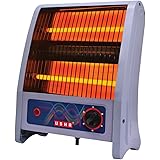
Usha 2 Rod Quartz Heater | 800Watt with Low Power Consumption | Cool Touch Body | Tip Over Protection | 1 Year Warranty | (4302, Grey)
Now retrieving the price.
(as of September 19, 2026 18:07 GMT +05:30 - More infoProduct prices and availability are accurate as of the date/time indicated and are subject to change. Any price and availability information displayed on [relevant Amazon Site(s), as applicable] at the time of purchase will apply to the purchase of this product.)
ZOOMELLA 94539597 Engine Radiator Surge Tank Cover Yellow Accessories Durable|Radiators & Parts|eBay Motors
Now retrieving the price.
(as of September 19, 2026 18:07 GMT +05:30 - More infoProduct prices and availability are accurate as of the date/time indicated and are subject to change. Any price and availability information displayed on [relevant Amazon Site(s), as applicable] at the time of purchase will apply to the purchase of this product.)